Antoni Ribas, MD

Medical Oncology
Male
English, Catalan, Spanish
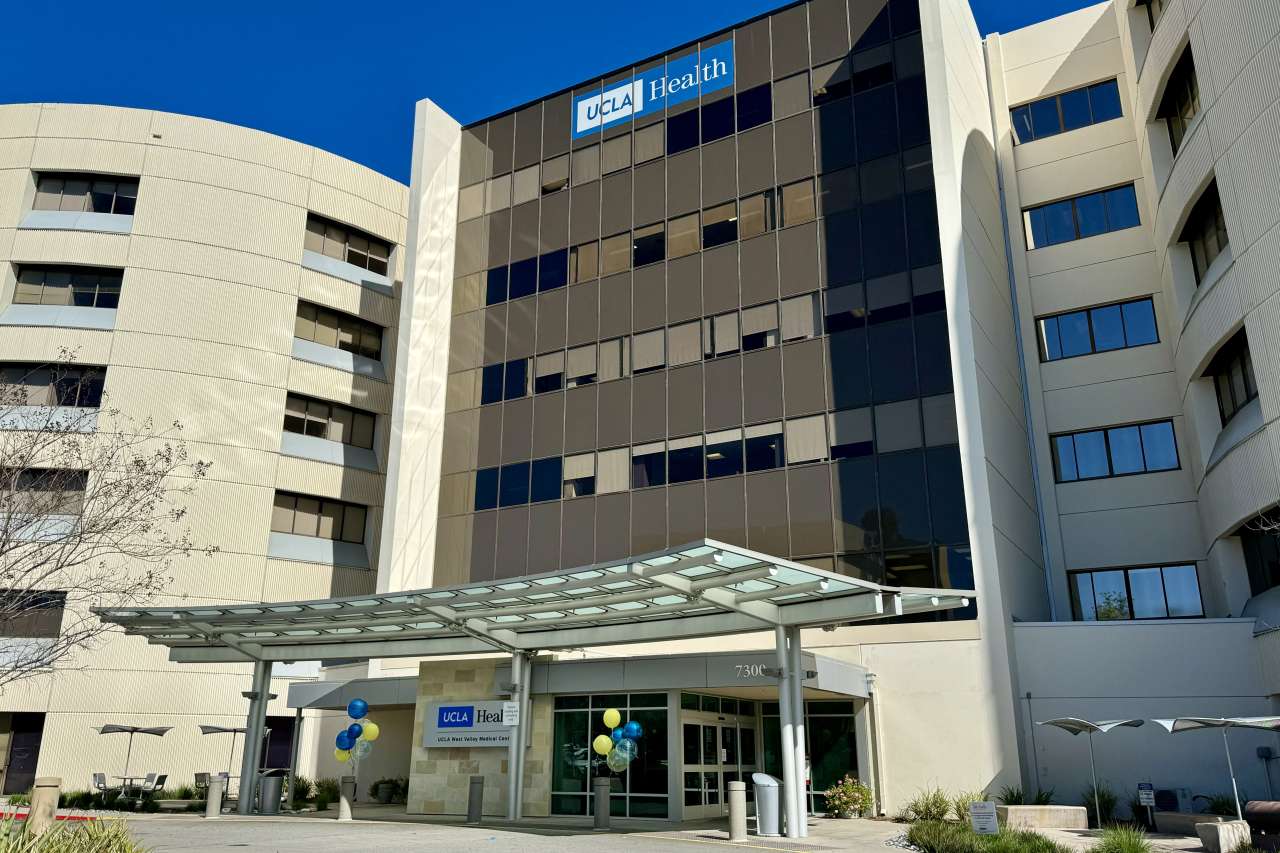
Ronald Reagan UCLA Medical Center
UCLA Medical Center, Santa Monica
A76097
(310) 794-4955
aribas@mednet.ucla.edu
Los Angeles, CA 90095
Hematology/Oncology, UCLA School of Medicine, 1998 - 2001
Surgical Oncology, UCLA School of Medicine, 1996 - 1998
, Hospital Vall d'Hebron, 1992 - 1994
Medical Oncology, Hospital Vall d'Hebron, 1991 - 1991
MD, Universidad de Barcelona, 1990
| Melanoma |
Physician, Hematology / Oncology, Melanoma Program, UCLA 100 Medical Plaza Community Oncology Practice
Dr. Antoni Ribas and his colleagues are conducting studies aimed at understanding how the immune system can be effectively used to treat cancer. The work is focused on the ability to activate killer immune lymphocytes specifically targeted to the cancer. A specialized white blood cell, the dendritic cell, can be grown in the laboratory and used to activate tumor-specific lymphocytes. Ribas and his colleagues have conducted studies demonstrating that dendritic cells could be genetically engineered to induce powerful responses against cancer, and have taken this approach from preclinical studies in the laboratory and in mice, to the treatment of patients with malignant melanoma and hepatocellular carcinoma.
Additional interests of the laboratory are the use of interventions that modify the regulation of tumor-specific lymphocytes and the modulation of the interaction of the killer immune cells with the cancer cells, with the goal of further increasing their antitumor potential.
Current clinical trials
- Phase I study of MART-1 dendritic cell vaccines and CP-675,206, a fully human monoclonal antibody that blocks CTLA4.
- Phase III study of CP-675,206, a fully human monoclonal antibody that blocks CTLA4 and engages the immune system.
- Phase II study of CP-675,206 in advanced melanoma to determine the mechanism of action and resistance. The goal is to develop biomarkers to predict which patients will benefit from this therapy.
- Phase II study of volociximab, a monoclonal antibody thought to bind to proteins on tumor and blood vessel cells. It is believed to slow tumor growth and prompting tumor cell death by preventing new blood vessels from developing.
- Phase I study of PD-0325901, a new investigational drug that works by blocking specific growth signals within cancer cells.
- Phase II study of OncoVex-GMCSF, a gene therapy based on a crippled Herpes virus injected directly into melanoma metastasis with the goal of inducing an immune response.
Clinical Trials Contact Information
(310) 794-6892 or (310) 794-6913 - melanoma clinical trials information
Dr. Ribas is an Associate Professor with a double appointment in Medicine (Hematology-Oncology) and Surgery (Surgical Oncology). He is Assistant Director for Clinical Programs, UCLA Human Gene Medicine Program, Director, JCCC Cell and Gene Therapy Core Facility, General Clinical Research Center Advisory Board Member and Faculty Advisor to the UCLA Residency Program.
Dr. Ribas trained at the University of Barcelona, Spain, and has undergone postdoctoral training at the Sidney Kimmel Cancer Center in San Diego and at UCLA. He joined the UCLA Hematology-Oncology Fellowship program and is a faculty member since July of 2001.
Dr. Ribas and his colleagues are conducting studies aimed at understanding how the immune system can be effectively used to treat cancer. The work is focused on the ability to activate killer immune cells specifically targeted to the cancer.
One line of research is the use of dendritic cells engineered to express tumor antigens, which have been shown to induce powerful responses against cancer. This approach has been taken from preclinical studies in mice to a phase I clinical trial for the treatment of patients with malignant melanoma. Assays with defined performance specifications determined in detailed methodology studies are being used for the immune monitoring of the human clinical trials.
Another line of research is the stimulation of innate responses to tumors. Dendritic cells are very powerful in activating natural killer cells that lead to tumor regressions, and the immunobiology of these responses are being studied.
Additional interests of the laboratory are the use of interventions that modify the regulation of tumor-specific lymphocytes, and the pharmacological modulation of the interaction between the lytic immune cells (cytotoxic T lymphocytes or natural killer cells) with the cancer cells, with the goal of further increasing their antitumor potential.
Our staff will assist you in selecting the appropriate UCLA clinical department for your patient.
Find out how to refer a patient