UCLA offers a new “glue procedure” to treat brain aneurysms that cannot be repaired by conventional methods. A liquid glue-like substance that functions as an embolic agent is injected into an artery’s abnormal bulge (aneurysm) using a small tube threaded up an artery in the groin. The polymer fills up the aneurysm, preventing additional blood from entering, and thereby eliminating the risk of rupture. Securing an aneurysm is crucial: 50 percent of patients with a burst aneurysm die instantly.
UCLA a pioneer in new therapy
UCLA’s Division of Interventional Neuroradiology was instrumental in developing the glue procedure for brain aneurysms and is one of the few medical centers in the United States to offer the treatment. The first patient at UCLA to undergo the glue procedure was a woman who had a strawberry-sized aneurysm in the left side of her brain. Her expanding aneurysm was packed and sealed off with the embolizing glue in January 2009, and now her long-term prognosis is excellent. Interest in the procedure has been high; UCLA recently provided training for physicians from across the country who wanted to learn how to perform the technique and earn the required certification.
Option for certain aneurysms
Before the glue procedure was developed, physicians had two primary nonsurgical methods for treating brain aneurysms: coiling, in which tiny coils are inserted in the aneurysm to block the flow of blood, and stent-assisted coiling, in which tube-like stents are packed into the artery to help hold the coils in place. For most aneurysms, which tend to be round, coils and stents can be effective. But for those that are irregularly shaped, these traditional methods don’t always work. The embolizing glue is a good option for these aneurysms because as a liquid, it can go through a narrow opening and conform to any shape. By using glue, physicians can completely pack and seal off the aneurysm. The polymer is also a good alternative for aneurysms that recur or continue to grow even after coils and stents have been inserted.
Risks of procedure
The glue procedure carries some risks. While coils or stents can be retrieved or adjusted if they’re not the proper size or not working correctly, once the embolizing glue is injected in an aneurysm, it cannot be removed and the physician alter its shape or position. The polymer must be applied meticulously and at just the right speed – if injected too quickly or with too much force it can burst the artery and cause a stroke. The glue procedure cannot be stopped once it is begun — the aneurysm must be completely filled and sealed off or the glue may not remain in place. Although the glue procedure is slightly more challenging than coiling or stenting, for some patients it is the only viable treatment option.
Recovery time
Once the glue procedure is completed successfully, post-surgical complications are rare. Ninety percent of patients require only an overnight hospital stay, and the recovery time is comparable to that of the coiling or stenting methods.
Glue expands technologies for treatment
Inserting a glue-like substance to fill and seal brain aneurysms is one of several methods that physicians at UCLA use to tackle the lesions. For patients with irregular-shaped or recurring aneurysms, which often don’t respond well to traditional treatments, the glue is a viable alternative.
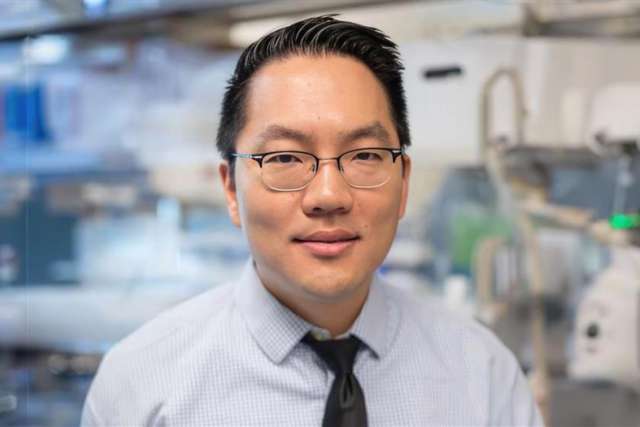
“Embolizing glue cannot be the primary modality to treat brain aneurysms because coils and stents are safer,” says Satoshi Tateshima, M.D., a member of the Division of Interventional Neuroradiology who performs the procedure. “However, we can’t fix all brain aneurysms with coiling or stent-assisted coiling. In those cases, having glue as an option helps us a lot.”
“The first patient to have this procedure at UCLA is doing great now,” says Dr. Tateshima. “Her aneurysm, which continued to grow even after traditional non-surgical treatments were tried, was successfully filled with the embolizing glue and is no longer a threat to her health.”
Participating Physician
Satoshi Tateshima, M.D.
Assistant Clinical Professor,
Department of Radiology,
Division of Interventional Neuroradiology
Director, Brain Aneurysm Research Program
Contact Information
(310) 267-8761 appointments, consultations, referrals
www.aneurysm-stroke.com