When Andrew Ruane was diagnosed with acute myeloid leukemia (AML) in 1976, his only hope for survival was a bone marrow transplant. The procedure was considered risky, given the potential for infection and other complications.
Fifty years later, he’s still going strong.
Sudden onset of stomach pain
Ruane was 32 when he suddenly began experiencing intense night sweats and stomach cramps. He felt fine during the day, “but between the nighttime pain and the profuse sweating, we knew something was wrong,” he said.
Because AML is primarily seen among older adults – the average age at the time of diagnosis is the early 60s – it wasn’t initially on the radar. Ruane’s primary care provider was “a bit stumped at first,” Ruane recalled. “He actually said, ‘I don’t really know what’s going on, but maybe I’ll send you to a surgeon.’”
The surgeon was equally stumped. “He said, “I don’t feel anything unusual – there’s nothing I can do for you,’” Ruane recalled, “so I went back to my primary again.” At that point, Ruane underwent additional tests to try to pinpoint the cause of his mysterious nighttime symptoms. Meanwhile, he was sleeping on top of towels and getting up every couple of hours to change them as they became soaked with sweat.
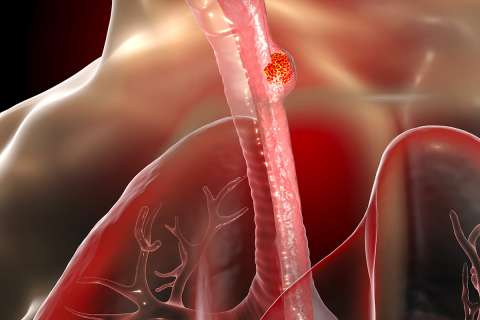
After several more weeks, Ruane was diagnosed with AML, a cancer of the bone marrow and blood.
For the next year, Ruane was in and out of hospitals, undergoing chemotherapy and infusions.
“The oncologist tried several types of chemo until I had tried them all,” he said. “When I reached the end of the road, they said a bone marrow transplant is your only option now. But fortunately, you come from a big family, so we might get lucky.”
An early transplant recipient
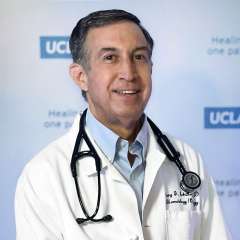
At that point, the procedure was still fairly new. The first bone marrow transplant in California had taken place in 1968 at UCLA Health, noted Gary J. Schiller, MD, a professor of Hematology/Oncology in the Department of Medicine, director of the Hematological Malignancies/Stem Cell Transplantation Unit and a member of the UCLA Health Jonsson Comprehensive Cancer Center.
The adult bone marrow transplant program at UCLA opened a few years later, in 1973. To be eligible, recipients needed to have a fully matched donor – someone with whom they shared the same pattern of cell proteins, called human leukocyte antigens (HLAs) – to reduce the likelihood of their immune system attacking the donated cells. The only potential source for a fully matched donor was a sibling.
Ruane, who had emigrated from Ireland as a teenager, had two brothers in California and six siblings still in Ireland. All agreed to undergo testing.
As it turned out, Ruane was indeed lucky: three siblings in Ireland – two brothers and one sister – were full matches.
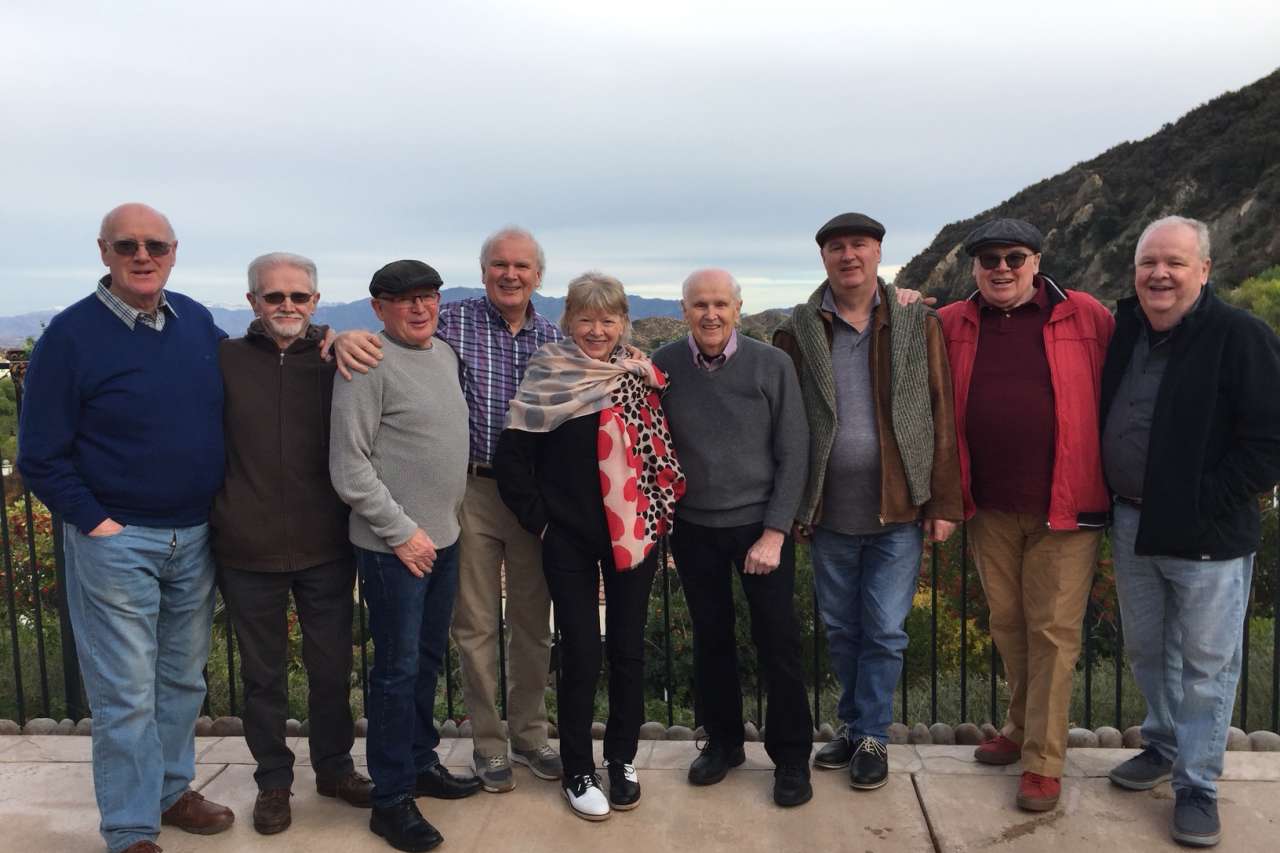
A sibling of the same sex was considered a better match, so the decision came down to which brother was able to take time off of work to travel to California for the procedure.
Ruane recalls the process as harrowing but knew it was his only hope. Without the transplant, he was told, he’d be “dead by the weekend.”
First, there were additional infusions of high-dose chemotherapy and radiation, temporarily depleting his immune system to provide the transplanted bone marrow cells with the best chance of being accepted.
Every day, the medical staff examined the soles of his feet for any signs of redness or rash, indications of a life-threatening complication known as graft vs. host disease in which the immune system attacks donated cells.
During his hospitalization, Ruane had a persistent high fever and was hallucinating. His feet remained unblemished, but his mouth, throat, lips and nose were soon covered in painful cold sores, a byproduct of his weakened immune system.
By the time he was discharged a month and a half later, he’d lost more than a third of his body weight – so much that his two children, seven and 10 years old, didn’t recognize him.
Advances in treatment
In the half-century since Ruane’s procedure, the transplant landscape has evolved significantly.
The 1980s brought about the widespread use of a class of immunosuppressive drugs known as calcineurin inhibitors, Dr. Schiller noted. “They’re what made heart transplants feasible, made liver transplants feasible and markedly improved the results of kidney transplants,” he said, “and helped a lot in bone marrow transplants by decreasing graft vs. host disease.”
There have also been refinements in chemotherapeutic medications so they’re more targeted.
“What makes bone marrow transplant so different from heart transplant or liver transplant is that in those organ transplants, we are replacing a dead organ,” Dr. Schiller explained. “For most patients who undergo bone marrow transplant, we are killing their bone marrow organ in an attempt to cure a cancer. It’s about as fundamentally different as can be.”
Ideally, he said. treating AML would be done without destroying the patient’s bone marrow. However, the patient’s immune system still has to be altered enough to prevent the donor’s immune system from being rejected. This still requires chemotherapy, he noted, but it’s more targeted and less aggressive now than when Ruane underwent treatment.
Expanding the donor pool
Since Ruane’s diagnosis, advances in treatment and the establishment in 1987 of the National Donor Marrow Program (now known as NDMP) have broadened the options beyond fully matched sibling donors.
As a result of the NDMP and similar registries, matched unrelated donors are now the most common form of transplants worldwide for patients with AML, Dr. Schiller noted.
Even when a patient has full siblings, each sibling has a one in four chance of being a full match. However, even in cases where a matched sibling donor exists, an unrelated donor may be used instead.
“If you have a matched sibling but the sibling is over 50 and you also have a perfectly matched unrelated donor who’s younger, many people will prefer to use the younger donor,” Dr. Schiller said. Studies have found that AML bone marrow transplants from younger donors are associated with better outcomes, including reduced rates of graft vs. host disease.
Mismatched donors, both related and unrelated to the patient, are also increasing, he said, having been made possible by advances in anti-rejection medications.
This has increased the options available to patients who are ethnic minorities, who are still underrepresented in the current registry.
Moreover, bone marrow donors now have the option to have peripheral blood stem cells extracted from their arm, Dr Schiller noted, rather than undergoing general anesthesia and having it extracted via multiple punctures of the bone marrow in the hip bone.
A long, healthy life
As for Ruane, after being discharged from UCLA Health back in 1976, it took two years before he’d regained his strength to the point that he could return to work full time as manager of the systems and programing department for an insurance company.
At first, he returned for monthly checkups, but as the years went by, the in-person visits were replaced by a yearly questionnaire. “Every year I send it back saying ‘I’m doing great – no problems to speak of,’” Ruane said.
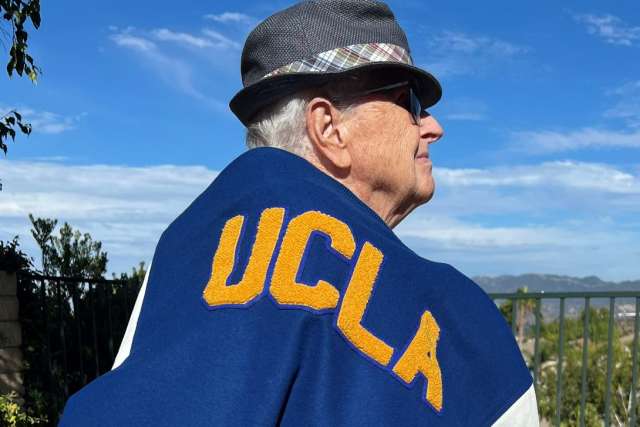
Now 83, Ruane remains grateful to UCLA, to his wife, who nursed him back to health, to his parents for having nine children, and to his “kid brother” who donated his bone marrow.
As Ruane summed up, “If you get really lucky, think positively, have support from your family and friends, and have great medical providers, you will get well again and get back on your feet again.”