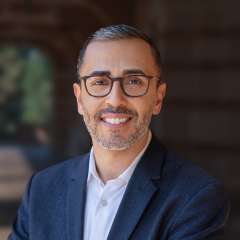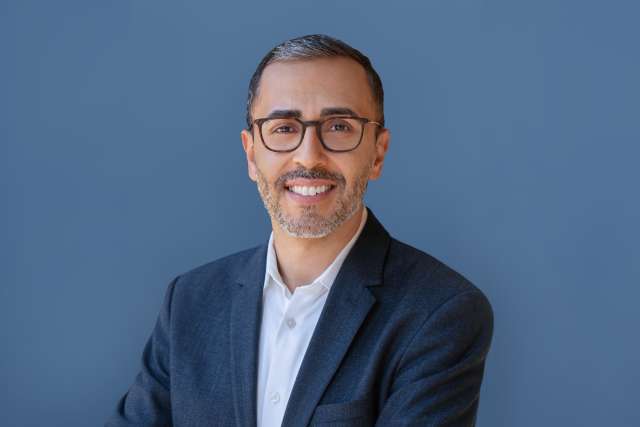
Dr. Mina Sedrak, director of the UCLA Center for Cancer and Aging and co-director of Cancer Control and Survivorship Research at the UCLA Health Jonsson Comprehensive Cancer Center, has received a grant from the American Cancer Society to investigate whether lower doses of a commonly used breast cancer drug can make treatment safer for older adults without reducing its effectiveness.
The study will focus on trastuzumab deruxtecan (T-DXd), a targeted therapy that has significantly improved outcomes for patients with certain types of advanced breast cancer. Although the treatment is highly effective, it can cause serious side effects, particularly in older patients.
Older adults account for nearly 40% of breast cancer diagnoses in the United States but have been underrepresented in the clinical trials used to establish recommended treatment doses. Fewer than 15% of participants in the pivotal trials of T-DXd were ages 70 and older, leaving doctors with limited evidence to guide treatment decisions for this population.
A recent study, published in the Journal of the National Cancer Institute and led by Sedrak and UCLA medical student Samuel Margolis, identified significant gaps in how the safety of newer targeted breast cancer therapies is evaluated in older adults. The researchers analyzed 20 clinical trials involving more than 13,000 patients and found that only 18% of participants were ages 65 and older. While the treatments were similarly effective in delaying cancer progression in older and younger patients with metastatic disease, few trials reported side effects by age, making it difficult to determine how safely older patients can tolerate these therapies.
To help reduce side effects, some oncologists already start older patients on lower doses of the drug. However, it remains unclear whether this approach improves treatment safety while maintaining the drug's ability to control cancer.
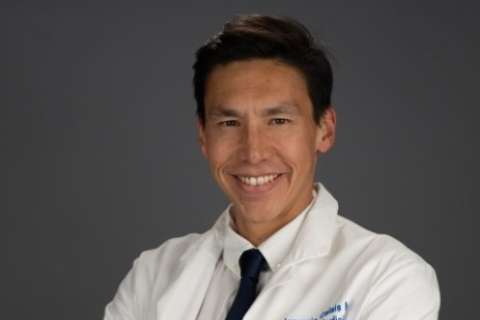
Building on these findings, Sedrak and his co-investigators Dr. Aditya Bardia, director of Translational Research Integration at the UCLA Health Jonsson Comprehensive Cancer Center, Dr. David Elashoff, professor in the department of medicine at UCLA, and Tahmineh Romero, a principal statistician in the department of medicine at UCLA, will analyze electronic health records from thousands of patients treated across the United States to compare outcomes among adults ages 70 and older who received the standard starting dose of T-DXd with those who began treatment at a lower dose.
By leveraging real-world data from Flatiron Health, a health technology company that specializes in cancer data and analytics, the researchers can address clinically important questions about treatment safety and effectiveness in older adults who have historically been underrepresented in clinical trials.
The researchers will examine how long the treatment keeps cancer from progressing, how often patients experience serious side effects and whether lower doses help patients better tolerate treatment and avoid hospitalizations.
“I hope our work could help doctors make more informed treatment decisions for older adults with advanced breast cancer and provide the foundation for a future national clinical trial to determine the optimal starting dose of the therapy for older adults,” said Sedrak.