
Liver Cancer
Our experts are at the forefront of effective liver cancer treatments. We pioneer innovative therapies to bring you state-of-the-art care and even offer liver cancer support services.

Why Choose UCLA Health for Liver Cancer Care?
The Dumont-UCLA Liver Cancer Center delivers care through the UCLA Health Jonsson Comprehensive Cancer Center (JCCC). The JCCC has over 500 scientists and physicians who conduct cancer research and provide state-of-the-art cancer care.
Our team of liver cancer specialists works together to determine the best care for you. UCLA Health patients receive:
Access to next-generation liver cancer treatment and therapies: A world leader in liver cancer clinical research, UCLA Health offers patients access to clinical trials and the latest experimental therapies.
Comprehensive, team-based approach: At UCLA Health, our liver cancer experts including hepatobiliary surgeons, medical oncologists, interventional radiologists, gastroenterologists, and radiation oncologists review, plan and manage your care.
Convenient, community-based care: Once a liver cancer care plan is put in place, patients can receive ongoing treatment at one of our many community cancer clinics across the greater Los Angeles area.
Our Services
We care for you from your liver cancer diagnosis to treatment and beyond. Our comprehensive liver cancer services include:
Diagnosis
To get an accurate liver cancer diagnosis your care team may order one or more of the following tests, depending on your symptoms:
- Blood tests: A group of lab tests that check your liver function, and specific blood-based tumor markers.
- Advanced imaging: Provides clear images of your liver and surrounding organs. Your specialist may order an ultrasound, CT scan or MRI scan.
- Liver biopsy: A tissue sample of a tumor to determine the type of liver cancer, as well as biopsy of the liver to determine signs of liver disease.
Find your care
Our specialists personalize your treatment so you can focus on healing. For more information, connect with a cancer care specialist at 310-825-1412.
Helpful Links

Cancer genetics
Our genetic counselors and oncologists work together to determine the cause of liver cancer and evaluate your risk of future disease. Using this information, we help you make important decisions about your health. Learn more about the cancer genetics program at UCLA Health.
Cancer support
When you or a loved one has cancer, it helps to find a supportive community you can lean on. The Simms/Mann-UCLA Center for Integrative Oncology offers numerous resources such as counseling, spiritual support and workshops in meditation, nutrition and more.
Liver Cancers We Treat
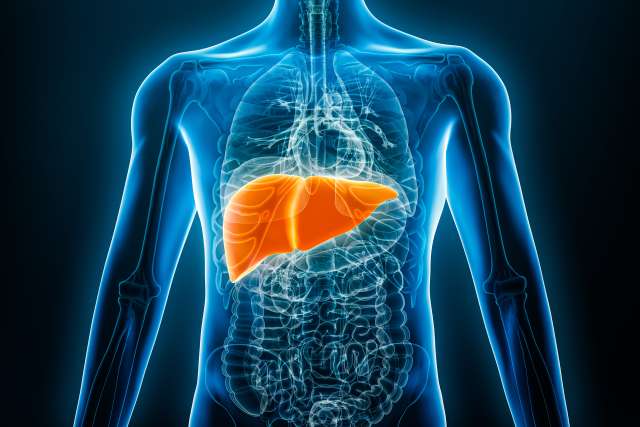
Experts at the Dumont-UCLA Liver Cancer Center treat both primary liver tumors that arise from the liver cells and metastatic tumors that arise in other organs and travel to the liver.
Primary liver cancer
Primary liver cancer starts in liver cells. Primary liver cancers we treat include:
- Hepatocellular carcinoma (HCC): HCC is the most common type of primary liver cancer. In the U.S., it typically affects people who have liver cirrhosis (scarring) or chronic viral hepatitis B or C. But the disease is on the rise among people who have diabetes, high cholesterol, high blood pressure or steatotic liver disease without cirrhosis.
- Angiosarcoma: This rare cancer begins in cells that line blood vessels in the liver.
- Hepatoblastoma: This rare liver cancer typically affects young children.
Metastatic liver cancer
Metastatic liver cancer occurs when cancer cells from another organ spread to your liver. These cancerous tumors are known as liver metastases. Types include:
- Metastatic colorectal cancer: Colorectal cancer that spreads to your liver is the most common cause of liver metastases. Patients with metastatic colorectal cancer receives specialized care at the UCLA Health Colorectal Cancer Treatment Program. We also have a specialized liver transplant program for patients with colorectal liver metastases that can't be surgically removed (unresectable).
- Metastatic neuroendocrine tumors (NETs): Gastrointestinal neuroendocrine tumors (NETs) most often start in your small intestine or rectum. Cancer cells from NETs can spread to your liver, causing metastatic liver cancer that may be treated with surgery. Patients with NETs receive specialized care at the UCLA Health NET Program, the largest of its kind in Southern California and the Southwest.
Bile duct cancer (cholangiocarcinoma)
Cholangiocarcinoma is the medical term for bile duct cancer. Bile ducts are small, thin tubes inside and outside your liver. These ducts carry bile (a digestive fluid) from your liver and gallbladder to your small intestine. Bile duct cancers we treat include:
- Intrahepatic cholangiocarcinoma: This cancer type starts in cells that line bile ducts inside your liver.
- Perihilar (hilar) cholangiocarcinoma: This cancer starts in the area just outside your liver, where the common hepatic duct begins. Klatskin tumor is another name for this cancer, which is the most common bile duct cancer.
- Distal cholangiocarcinoma: This bile duct cancer forms where the liver and gallbladder bile ducts join to form the common bile duct.
- Gallbladder cancer: Gallbladder cancer and bile duct cancer are often related. Cancer starts in the gallbladder, which stores bile from the liver.
Treatments We Offer
Our team of experts offers the most advanced liver cancer treatments, imaging, and surgery. Liver cancer treatments may include:
Liver cancer surgery
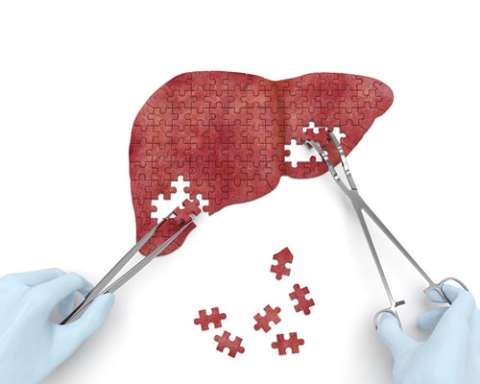
Surgery is the first-line liver cancer treatment for primary liver malignancies and select metastatic liver tumors.
Liver surgery types include:
- Partial hepatectomy
- A surgeon removes the portion of the liver with the tumor or diseased tissue. Our surgeons are experts in anatomic and tissue-sparing resections. An anatomic resection removes tumors within the affected liver segment. A tissue-sparing resection preserves as much of the functioning liver as possible.
- Liver-sparing surgery
- This treatment is for noncancerous liver tumors, small cancerous liver tumors and metastatic liver cancer. It involves removing the tumors and a small amount of surrounding tissue. Your liver regenerates faster with this approach, allowing you to get additional treatments in the future if needed.
- Extended hepatectomy
- Our surgeons' transplant-level expertise allows us to safely perform partial and extended resections, as well as other procedures and vascular reconstructions, on tumors located close to veins. This approach expands surgical options for complex cancers.
- Liver transplantation
- In select cases where surgeons are unable to remove part of the liver, a patient may be able to get a liver transplant. The same surgeons who perform your evaluation and liver resection surgery perform the transplant, ensuring seamless care.
- You undergo surgery at one of the country's most experienced transplant oncology programs. Our surgeons have performed more than 1,000 liver transplants for patients with unresectable liver cancer, bile duct cancer, and metastatic disease.
- Robotic and laparoscopic liver surgery
- Our surgeons use minimally invasive techniques to perform surgery through smaller incisions. This approach minimizes postoperative pain and blood loss, helping you resume daily activities faster.
For more information on how the liver cancer team prepares patients for surgery, see Hepatobiliary Surgery.
Nonsurgical liver cancer treatments
Sometimes liver cancer can't be treated with surgery upfront. In those cases, our specialists may use one or more nonsurgical treatments:
Locoregional Therapy:
Locoregional therapy targets both primary and metastatic liver tumors by delivering treatments straight to the tumor while sparing healthy tissue. These include:
- Tumor ablation therapy: Our interventional radiologists use a minimally invasive procedure using ultrasound or CT guidance to insert a specialized needle into a tumor. Then they use heat, cold, ultrasound or electric energy to destroy the tumor.
- Hepatic artery embolization (HAE): Our interventional radiologists deliver chemotherapy drugs (transarterial chemoembolization) or radioactive bead (radioembolization or Y-90) through a catheter into the hepatic artery branches that supply blood to the tumor to shrink or destroy the tumor.
- Radiation therapy: We use high-energy beams to precisely target and kill cancerous tissues.
Systemic Therapy:
- Chemotherapy: This treatment uses powerful drugs to kill liver cancer cells. Chemotherapy may also be used to shrink tumors before surgery or to kill remaining cancer cells after surgery.
- Immunotherapy: This treatment uses drugs that boost and train your body's natural defenses and immune system to locate, identify and destroy cancer cells.
- Targeted therapy: These are specialized drugs that identify and attack the specific genes, proteins, or cellular environments that cancer cells need to grow and survive while largely sparing healthy cells.
- Clinical trials: Research studies to find promising therapies for liver cancer.
Meet Our Team
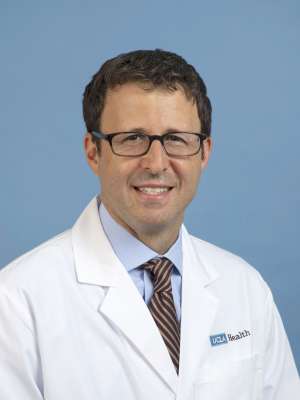
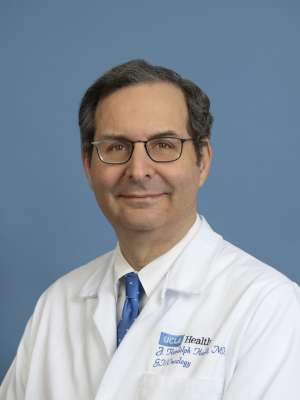
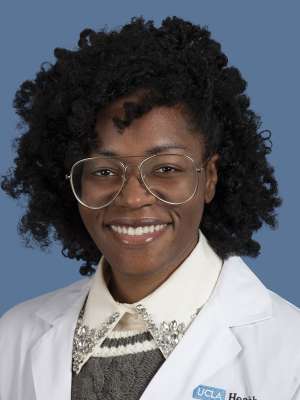
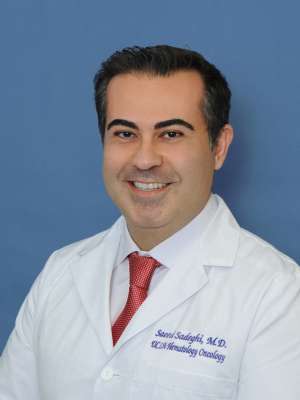
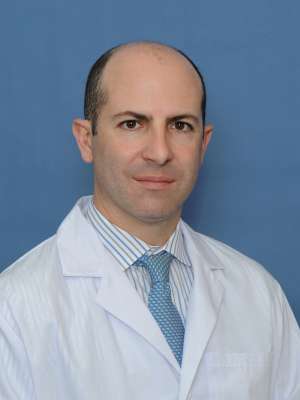
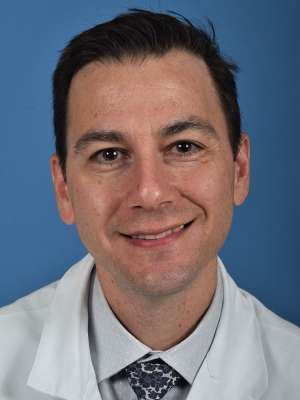
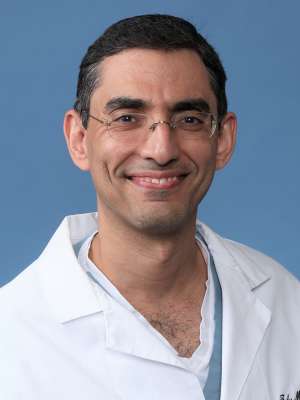
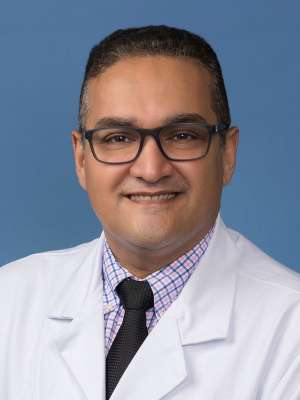
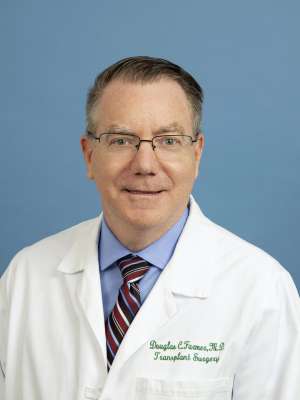
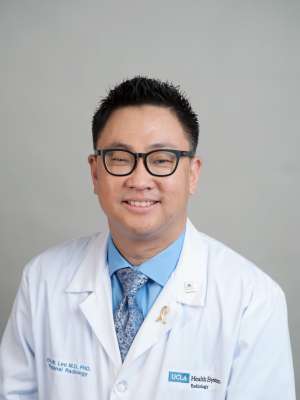
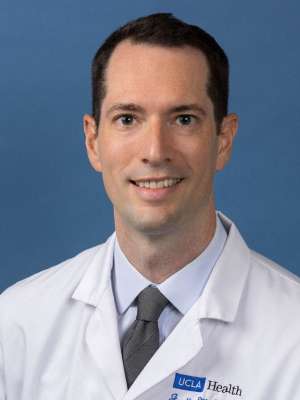
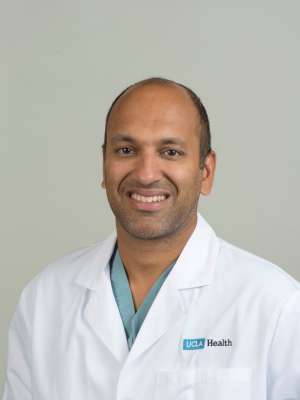
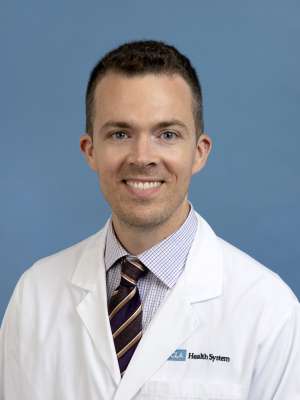
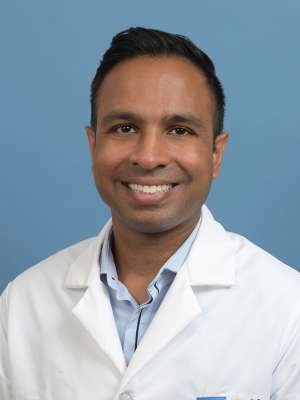
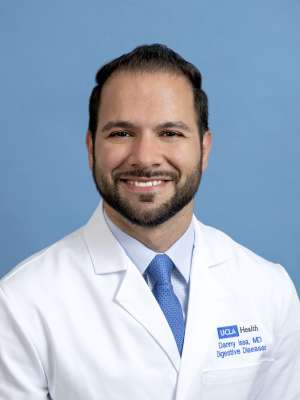
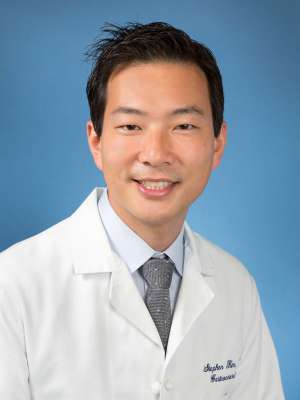
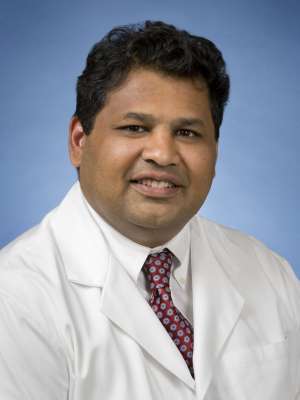
Our team of liver cancer specialists includes hepatobiliary surgeons, medical oncologists, interventional radiologists, gastroenterologists, and radiation oncologists. We collaborate to develop a liver cancer treatment plan that's right for you.
Medical Oncology

Hepatobiliary Surgery
Interventional Radiology





Interventional Gastroenterology
Radiation Oncology

Related Clinical Trials
Contact Us
Request an Appointment
Call 310-825-1412 to request an appointment with a liver cancer specialist at UCLA Health.