
Treatments
Find your care
A team of experts collaborates to provide advanced mesothelioma care. Call 310-267-4612 to learn more about mesothelioma treatment at UCLA Health. To reach our nurse practitioner, call 310-818-1304
Treatments We Offer
At UCLA Health, we use treatment approaches that have been pioneered by our experts and that are tailored for each individual patient. This personalized approach is designed to give people the best chance for a positive outcome. Our mesothelioma care plans involve a series of consecutive treatments that often include:
Chemotherapy
The most common chemotherapy drugs for mesothelioma are pemetrexed and cisplatin. These medications are often given together to improve effectiveness. Chemotherapy may help shrink tumors, relieve symptoms, and slow the spread of cancer.
- Phase III Study of Pemetrexed in Combination With Cisplatin Versus Cisplatin Alone in Patients With Malignant Pleural Mesothelioma (Journal of Clinical Oncology)
Chemo-biotherapy
Some patients may receive chemotherapy in combination with bevacizumab, a biologic therapy that blocks the growth of blood vessels feeding the tumor. This combination has been FDA-approved since 2004 and may be especially effective in treating epithelioid mesothelioma, the most common subtype. Bevacizumab is not appropriate for everyone, but it can be a powerful addition for certain patients.
- Bevacizumab for Newly Diagnosed Pleural Mesothelioma in the Mesothelioma Avastin Cisplatin Pemetrexed Study (MAPS) (Science Direct)
Immunotherapy
Mesothelioma is a type of cancer that can be difficult to remove completely, even with surgery and radiation therapy. Immunotherapy helps the immune system find and destroy any remaining cancer cells.
A common treatment includes ipilimumab and nivolumab, two medications that boost the body's natural defenses against cancer. This approach has been especially effective for certain types of mesothelioma. At UCLA Health, our experts pioneered maintenance interferon-alpha therapy, a specialized immunotherapy that keeps the immune system active against mesothelioma. By using the lowest effective dose, we help patients stay on immunotherapy as long as possible while maintaining their quality of life.
- Five-Year Clinical Outcomes With Nivolumab Plus Ipilimumab Versus Chemotherapy as First-Line Treatment for Unresectable Pleural Mesothelioma in CheckMate 743 (Journal of Clinical Oncology)

Chemoimmunotherapy
This is a combination of chemotherapy and immunotherapy for mesothelioma.
- Canadian Cancer Trials Group IND.227: Phase 2 Randomized Study of Pembrolizumab in Patients With Advanced Malignant Pleural Mesothelioma (Science Direct)
Cryoablation
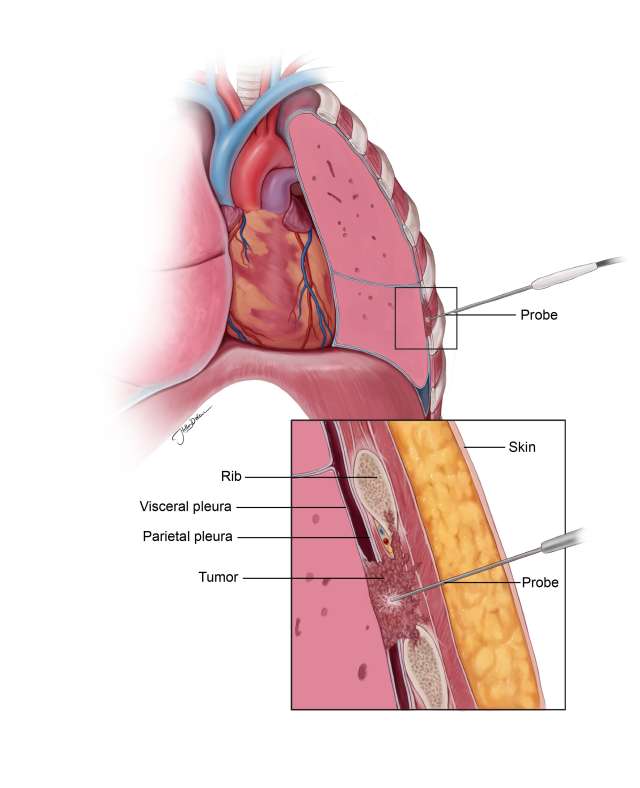
UCLA Health is proud to have pioneered the use of cryoablation for patients with mesothelioma. Cryoablation is a breakthrough freezing technique used to destroy cancerous nodules. In some people, individual nodules (growths) may develop in the chest cavity after treatment. During a straightforward outpatient needle procedure, our interventional radiologists often use cryoablation to precisely target and eliminate these nodules.
- Percutaneous Cryoablation for the Treatment of Recurrent Malignant Pleural Mesothelioma: Safety, Early-Term Efficacy, and Predictors of Local Recurrence (Journal of Vascular and Interventional Radiology)
Radiation therapy
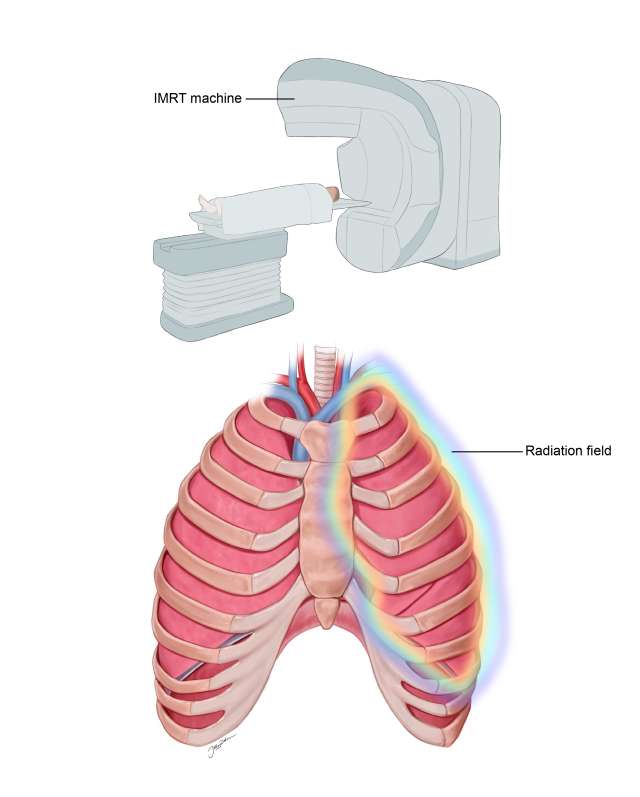
UCLA Health offers highly specialized whole pleura targeted radiation using tomotherapy machines. This advanced technique, most often delivered once a patient recovers from surgery, allows us to deliver radiation specifically to the area that was affected by the tumor while minimizing harm to normal tissues such as the lung.
- Tomotherapy Improves Local Control and Changes Failure Patterns in Locally Advanced Malignant Pleural Mesothelioma (Practical Radiation Therapy)
Surgery
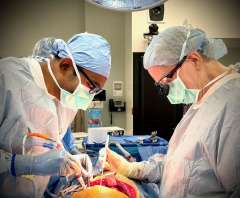
Pleurectomy and decortication is our frontline surgical treatment for mesothelioma. During this procedure, our thoracic surgeons remove the lining of the chest cavity (pleura) where the tumor is located, without removing the lung. This is a major operation that has a goal to have no visible tumor within the chest.
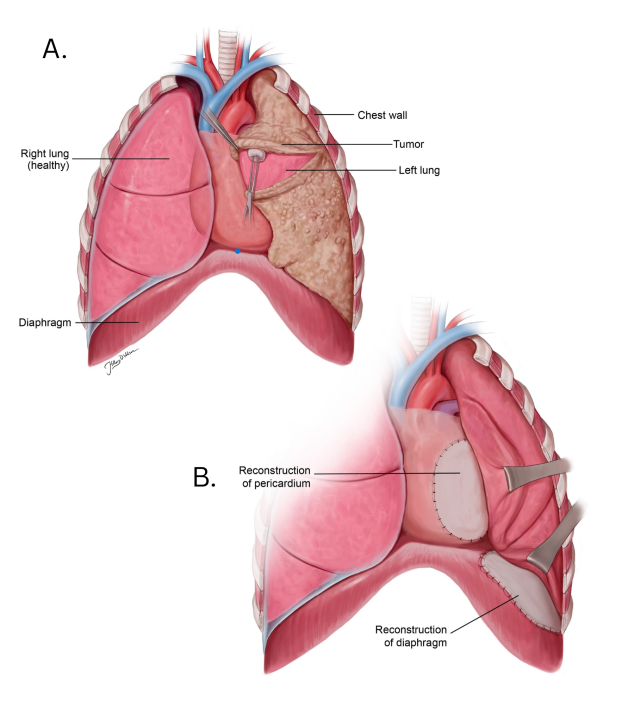
Extrapleural pneumonectomy Extrapleural pneumonectomy is an operation performed in rare circumstances to remove pleural mesothelioma tumors that involves removal of the lung in addition to the pericardium and the diaphragm, with reconstruction of the lung and the diaphragm.
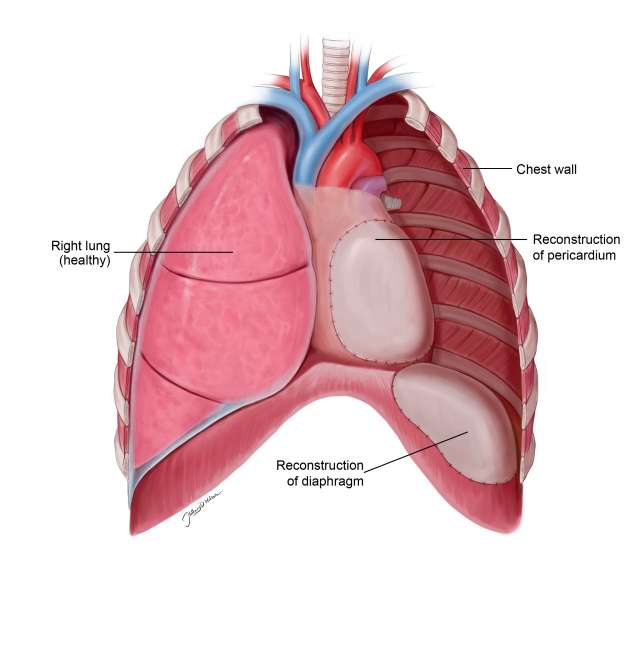
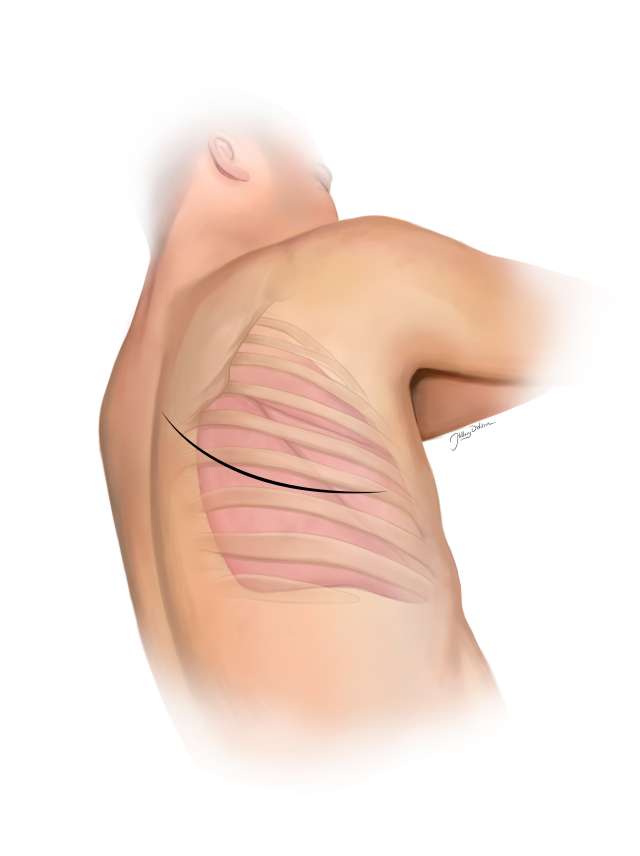
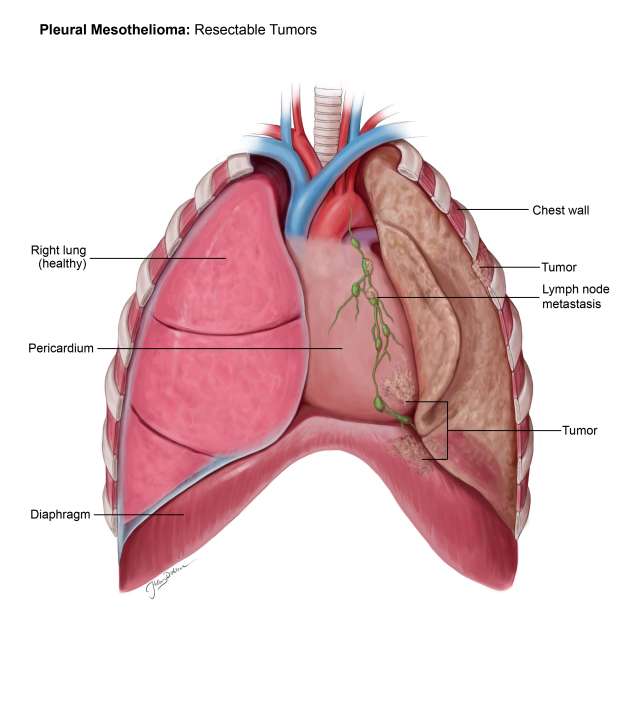
Pleural mesothelioma tumors that are considered for surgery are generally considered to be tumors that are confined to one side of the chest.
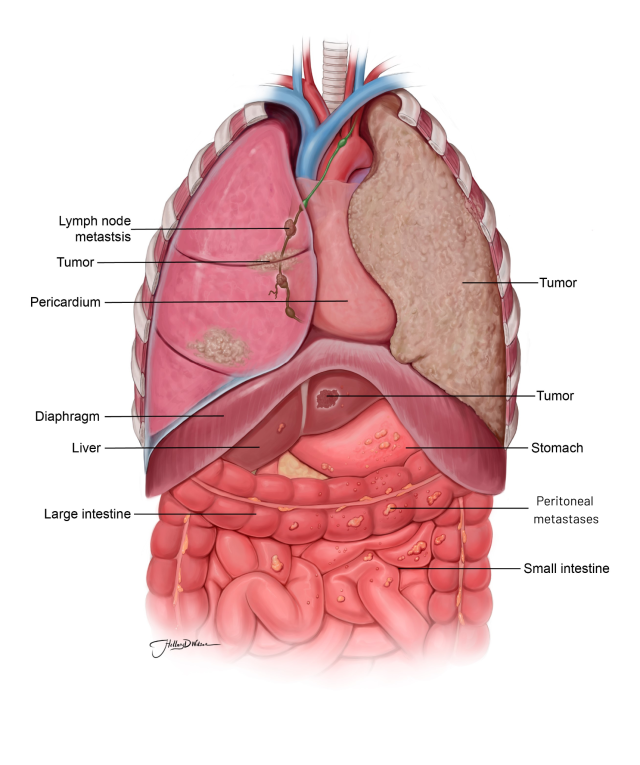
Pleural mesothelioma tumors that are typically not considered for surgery are those that have spread to the other side of the chest, to the abdominal cavity, to other organs, or that involve large segments of the chest wall.
Tumor treating fields (TTF)
The Optune Lua device uses electrical fields to prevent tumor cells from dividing and growing. TTF is delivered through ceramic discs arrays that we apply to the outside of your chest to disrupt tumor growth. This treatment is most effective when used alongside with chemotherapy.
- Tumor Treating Fields (TTFields) Therapy in Unresectable Pleural Mesothelioma: Overview of Efficacy, Safety, and Future Outlook (Current Treatment Options in Oncology)
- Tumour Treating Fields in Combination with Pemetrexed and Cisplatin or Carboplatin as First-line Treatment for Unresectable Malignant Pleural Mesothelioma (STELLAR) (Lancet Oncology)
Clinical trials
UCLA Health conducts clinical trials that offer promising new treatments for mesothelioma—sometimes years before they’re widely available. Our doctors are testing the latest therapies, including new types of immunotherapy and targeted drugs. See if a clinical trial is right for you.