Dear Doctors: I was diagnosed with cryptogenic ischemic strokes, but I've never had a single stroke symptom other than dizziness and balance issues. These had been blamed on an inner-ear infection. How could this happen when I'm otherwise healthy? Also, does the cerebellum truly heal itself?
Dear Reader: Learning that you had a stroke is alarming. This is particularly true when the symptoms you experienced were initially believed to be something far less serious. It's not surprising that this has left you with questions as well as additional concerns. In order to respond to both, we need to back up a bit and define some terms.
A stroke occurs when the blood supply to the brain is interrupted long enough to cause cell death. This can occur in two ways. The most common is when the flow of blood is reduced or completely blocked. Known as an ischemic stroke, it may be caused by a clot, debris that broke free from within a blood vessel or narrowing of the vessel itself. Less common is a hemorrhagic stroke. This is when a blood vessel tears or ruptures. It not only severs a supply line of blood in the brain, but it results in localized bleeding that itself can damage brain tissue.
That brings us to the word "cryptogenic." When someone has conditions associated with stroke risk, such as plaque deposits in the arteries, certain heart arrhythmias or certain valve diseases, it is possible to theorize why a stroke occurred. But when a thorough evaluation can't find a likely cause, then the stroke is diagnosed as cryptogenic. Basically, this is a fancy way of saying the origin is unknown. Unfortunately, it is possible for a stroke to occur without it being tied to an identifiable illness or condition.
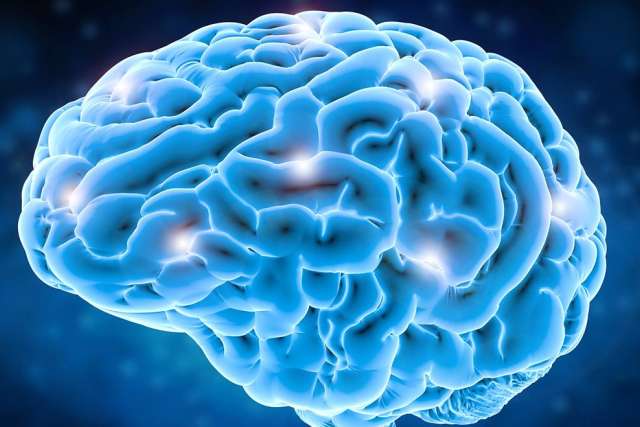
The major -- and most recognizable -- symptoms of a stroke are slurred speech, drooping on one side of the face and loss of function on one side of the body. However, the dizziness and balance issues that you experienced, which were believed to be caused by an inner-ear infection, can also be symptoms of a stroke. This is particularly true when the cerebellum is affected. This area of the brain, located near the top of the spinal cord, plays an important role in coordination and balance. It is also possible for a stroke to cause no symptoms at all. Known as silent strokes, they are often discovered later, during brain imaging.
While cells that are killed by a stroke do not regenerate, the brain is very good at compensating for the resulting damage. This is a concept known as neuroplasticity. What happens is that healthy nerve cells begin to create and strengthen new neural pathways. These rewired circuits gradually begin to take over some of the tasks once performed by the dead cells. The extent to which this happens, as well as the speed, depend on the location and severity of the original injury. And as with any illness or injury, it depends on each person's health and medical history.
(Send your questions to [email protected], or write: Ask the Doctors, c/o UCLA Health Sciences Media Relations, 10960 Wilshire Blvd., Suite 1955, Los Angeles, CA, 90024. Owing to the volume of mail, personal replies cannot be provided.)