
From treating conditions to guiding patients through their health journeys, Advanced Practice Providers (APPs) are vital to meeting patients’ healthcare needs and expanding access to high-quality care.
So, what are APPs?
They are physician assistants (PAs), nurse practitioners (NPs), certified registered nurse anesthetists (CNRAs), clinical nurse-midwives (CNMs), and clinical nurse specialists (CNSs).
Depending on their training and scope of practice, APPs can diagnose, treat and manage conditions throughout a patient’s care journey.
“I really enjoy working in breast surgery in collaboration with physicians to improve patient care,” says Allison Rummell, PA-C, a physician assistant at UCLA Health’s Breast Surgery Care Center. “It is gratifying to be a part of patients’ education and helping them to navigate the cancer journey.”
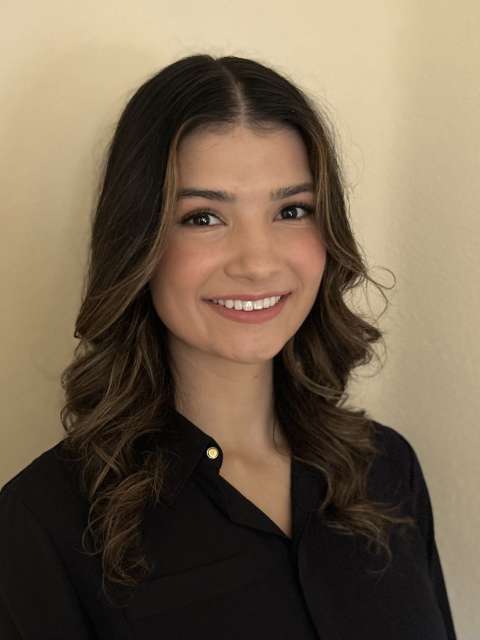
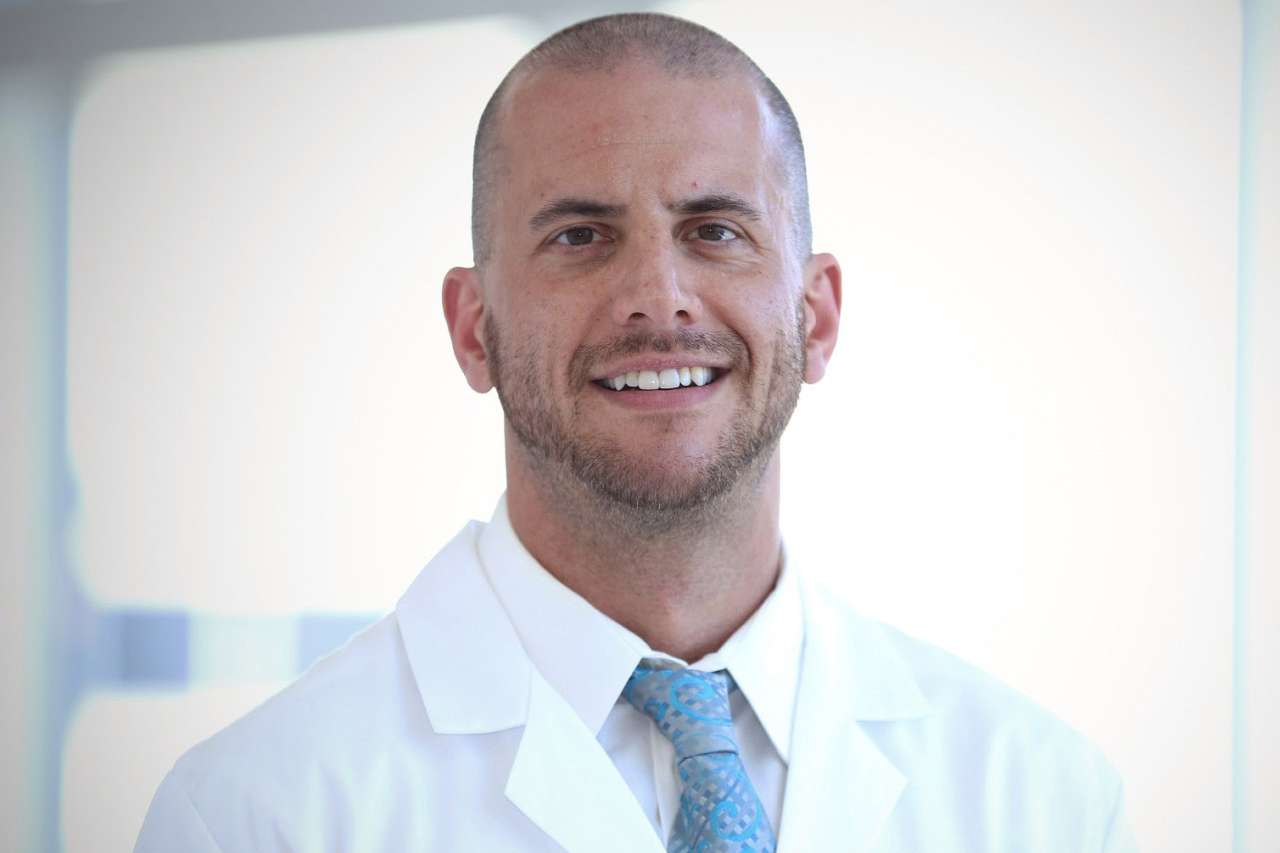
Here, Rummell and Keith Regets, PA-C, a physician assistant at The Men’s Clinic at UCLA Health, answer questions about APPs to help patients better understand the role these providers play in their care.
Q: How would you describe the role of an Advanced Practice Provider and how the APP fits into a patient’s larger health care team?
Rummell: APPs extend the care provided by physicians by assessing patients, diagnosing conditions and prescribing medications. We perform many of the same functions as physicians and work collaboratively with the broader team to deliver comprehensive care.
Regets: APPs are an integral role in the healthcare team. We expand access to care while providing clinical expertise, education and continuity. APPs work closely with physicians and other healthcare professionals to provide a coordinated, comprehensive approach to patient care.
Q: What are the different titles APPs might have?
Regets: APPs primarily comprise nurse practitioners (NPs) and physician assistants (PAs), who follow different models of education. NPs are trained in an advanced nursing model to deliver care, while PAs follow the medical model, more like a physician, which emphasizes the treatment and diagnosis of patients. There are also certified registered nurse anesthetists, clinical nurse-midwives and clinical nurse specialists.
Q: How does the role of an APP differ from that of a doctor?
Regets: PAs can perform many of the same duties as physicians, although there are limitations, particularly when it comes to performing surgery independently. For example, a physician must be involved when a PA assists with surgery in the operating room. Although requirements vary by practice, PAs generally work in collaboration with physicians, while physicians can practice independently.
Rummell: Physicians also undergo extensive specialty training through residency, whereas PAs are typically trained as medical generalists. NPs pursue training in specific areas of practice, such as family medicine, psychiatry, geriatrics or acute care. Both PAs and NPs may pursue further specialization through additional training and fellowship programs.
Q: If a patient sees an APP, does that mean they don’t need to see a doctor?
Regets: We are an extension of the physician, which means we all work together on the same treatment plan. Typically, if I or an NP sees a patient, the treatment plan remains the same. We prescribe medications and discuss surgical options when necessary.
Rummell: It also depends on the patient’s condition and the type of care they need. Understanding an APPs scope of practice is important, as certain situations may require a physician’s involvement. For example, in surgical specialties, some patients have benign conditions that do not require surgery, either because they are not interested in surgery or are not surgical candidates. At UCLA, for example, PAs and NPs can often continue managing these patients’ care.
Q: When should a patient expect to see an APP?
Regets: It varies by practice. There are many instances in which the APP may be the only provider the patient sees. In other specialties, the physician may see new patients first and then the APP will see them for follow-up visits. Every practice is a little different, and in some cases, patients may see the physician once a year — it really depends on each individual practice.
Rummell: Breast surgical oncology is one example of how APP involvement can vary by practice. I often see patients with benign conditions, as well as patients coming in for preoperative, postoperative and follow-up care. We can also provide survivorship care and manage established patients. However, patients with active cancer who are discussing their surgical treatment plan will typically meet with the surgeon.
Q: Are there times when a patient might want to request to see an APP specifically?
Regets: Yes, patients might choose to continue seeing their APP because of the trust and relationship they have built over time. Sometimes, it is an issue of access — if patients cannot schedule an appointment with the physician, they may choose to see an APP instead.
Rummell: Patients may also request to see an APP after a physician visit if they have additional questions or concerns. APPs can provide further clarification about the patient’s care plan and help address any remaining concerns.
Q: Is it typical for a patient see an APP and a doctor for care?
Rummell: Yes, it is important to recognize that APPs are members of a larger healthcare team, with patients at the center of that team. Physicians are essential to providing comprehensive care, and both physicians and APPs must work together to ensure patients receive the care they need.
Strong, collaborative relationships between APPs and physicians are key to ensuring patients receive timely care. Patients should not feel that they must choose between seeing an APP and seeing a physician because, in reality, both providers play important complementary roles in delivering high-quality care.
Q: What are some common misconceptions about APPs?
Regets: A common misconception is that APPs are still students, residents, or in the process of completing their education before going to medical school.
Another misconception is confusing the role of a PA with a physician’s assistant — they are not the same. This also applies to NPs. People sometimes focus on the word “nurse” and overlook the “practitioner” part of the title. These are distinct healthcare professions with their own education and training requirements.
Rummell: Some people also believe that APPs are administrative roles, when we work on the clinical side. Oftentimes, patients also feel that APPs are trying to replace physicians.
Q: Are APPs crucial to the process?
Rummell: Having both an APP and a physician means patients have access to two providers instead of one. This creates more appointment slots, while allowing physicians to focus on cases that specifically require their expertise.
Q: Is insurance coverage generally the same for APP visits as for doctor visits?
Regets: Yes, insurance coverage is generally the same for APP visits as for physician visits. APPs also undergo the same credentialing process as physicians to participate in insurance plans and provide covered services.