
The Study of Women's Health Across the Nation (SWAN) and its seven designated research sites, which include UCLA Health, were awarded $44 million over the next five years from the National Institutes of Health (NIH) to investigate how menopause and midlife factors influence cognitive function, bone health, cardiovascular health and overall well-being as women age.
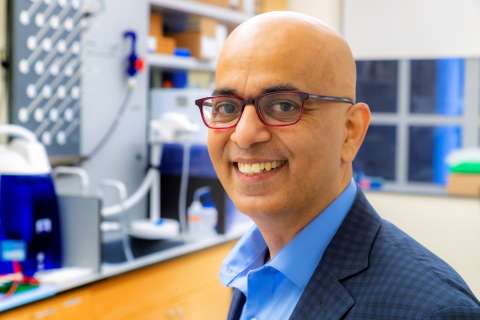
The grant, which will be distributed over the next five years, will fund a long-running research project that has been following a multi-ethnic cohort of women since 1995 (when they were in their mid-40s) for a full three decades, said Dr. Arun Karlamangla, a professor of medicine in the division of geriatrics at the David Geffen School of Medicine at UCLA and the principal investigator of the UCLA study site.
“As the women have gone through the menopause transition and beyond, they have provided us a wealth of information about bio-psycho-social changes in midlife and the implications of these changes on how women age,” Karlamangla said.
Karlamangla leads SWAN Project 1: Cognition and Dementia; his division of geriatrics colleague Dr. Albert Shieh leads the Bone and Body Composition Working Group for SWAN Project 3: Musculoskeletal and Metabolic Health. Other local SWAN investigators include Dr. David R. Lee of the division of geriatrics; Sungwon Park, assistant professor in the UCLA Joe C. Wen School of Nursing; and Molly Fox, biological anthropologist and associate professor at UCLA.
SWAN, which is coordinated by the University of Pittsburgh, is the United States’ largest and most comprehensive longitudinal study of the menopausal transition. Seminal SWAN contributions to experts’ understanding of women’s aging include the stages of the menopause transition, the timing and magnitude of changes in bone strength, body composition, glucose metabolism and cardiovascular risk factors related to menopause, the persistence of menopause symptoms into older ages, and how the menopause transition can play a role in the development of health risks (such as osteoporosis and dementia) in later life.
“We are glad to be able to bring these women back to UCLA and the other 6 SWAN study sites to assess their current level of physical and cognitive functioning and continue to add new understanding of how women age and help develop guidelines for healthy aging and preserving independence late into one’s 80s and 90s,” Karlamangla said.