Key takeaways
- UCLA researchers randomly assigned two Southern California high schools (174 teenage girls in all) to receive the SKY Schools program, one during the study period and one afterward, as a wait-list control.
- Students completed the four-week SKY Schools curriculum in social-emotional learning and SKY Breathing followed by eight weeks of daily breathing practice, all within existing physical education classes.
- Girls with four or more adverse childhood experiences (ACEs) in the intervention group reported a 7% increase in social connectedness – a significantly larger gain than lower-ACE participants or students at the wait-list school.
- Because loneliness and social isolation are strongly linked to depression, anxiety, substance misuse and academic failure, the findings suggest that low-cost, school-based approaches may be able to reach the students at highest risk – the group such programs often help least.
School-based mental health programs face a persistent problem: the students who need help most often benefit least. A new UCLA study found the reverse. Among teenage girls in a program combining structured breathing techniques with social-emotional learning, those who had experienced the highest levels of childhood trauma showed the largest gains in social connectedness, according to findings published in the Journal of Research on Adolescence.
The results arrive as young people increasingly report loneliness and turn to technology, rather than to each other, for friendship and emotional support. Girls who have faced significant childhood adversity are already at heightened risk for anxiety, depression, substance misuse and academic failure.
The trial randomly assigned two Southern California high schools to receive the SKY Schools program, developed by the nonprofit International Association for Human Values, either during the study period or after it. The SKY Schools program combines a social-emotional learning curriculum with SKY Breathing, which is short for Sudarshan kriya yoga, a technique that uses specific rhythms of breath to regulate the body’s stress response.
The study followed 174 female teenagers with varying levels of adverse childhood experiences, or ACEs. More than 93% of students at both schools were Latinx, and the two groups were comparable at the outset in levels of childhood adversity and in social connectedness. The wait-list comparison school received the program after the study period ended.
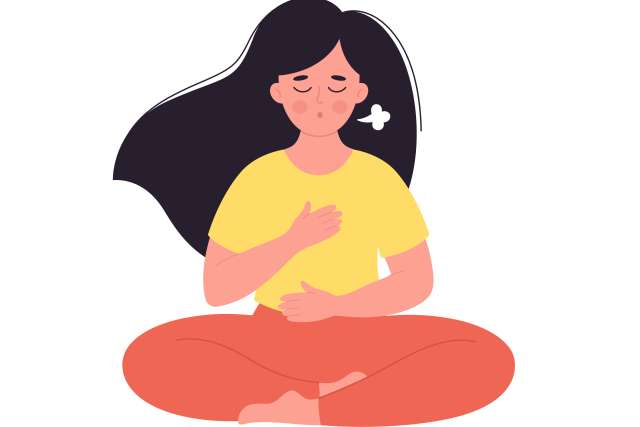
Students in the intervention group completed the four-week SKY Schools curriculum, then practiced the breathing techniques together during their physical education classes every school day for the following eight weeks: about five minutes of short breathing techniques on four days each week and one 25-minute SKY Breathing session on the fifth for a total of 40 sessions. During this time, students in the comparison school completed the assessments on the same timeline without receiving the intervention.
Experiencing four or more ACEs is considered a high level of childhood adversity and is associated with substantially greater risk for mental and physical health problems later in life. Girls in the intervention group who experienced four or more ACEs reported a 7% increase in social connectedness. This was a significantly larger improvement than among peers in the low-ACE intervention group or in the high- and low-ACE wait-list groups.
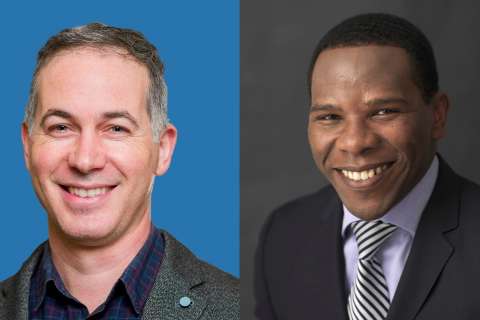
“What’s striking is that the girls who needed help the most benefited the most,” said Dara Ghahremani, research professor at UCLA’s Semel Institute for Neuroscience and Human Behavior and the study’s senior author. “These are adolescents who have already faced significant adversity, and we found that a relatively simple, scalable approach combining social-emotional skills training with breathing techniques can help them feel more connected and develop a greater sense of belonging. When students are better able to regulate their own stress, they're better able to connect with the people around them.”
“That connectedness matters enormously for protecting mental health during a developmental period when isolation can have lasting consequences,” Ghahremani said.
The results point toward something schools can act on now. As districts nationwide search for low-cost, scalable ways to support student wellbeing and amid persistent disparities in mental health access for Latinx communities, the study offers early evidence that breath-based, trauma-informed social-emotional programs may be a promising tool, particularly for the students who need it most.
SKY Schools is offered by the International Association for Human Values, a nonprofit organization. The program provides social-emotional learning for students and educators, centered on SKY Breathing. In addition to breathing techniques, it incorporates stretching and games involving physical activity, alongside training in self-regulation, leadership and conflict management.
The co-lead authors of this study are Nathan Chabin, now a postbaccalaureate fellow at the National Center for Complementary and Integrative Health, and Justine Chen, who will begin the joint doctoral program in clinical psychology at UC San Diego and San Diego State University this fall. Both conducted the work as postgraduate research assistants at UCLA. Additional co-authors include postgraduate research assistants Matthew Abikenari and Maxim Dembow; UCLA senior statistician Prabha Siddarth; distinguished professor Vickie Mays; professor Denise Chavira; and University of Victoria assistant professor Susan Ramsundarsingh.