
UCLA Health and UCSF will receive funding to expand an intervention that has proven successful in promoting Advance Care Planning (ACP) documentation for seriously ill primary care patients. The non-profit Patient-Centered Outcomes Research Institute awarded $2.4 million to be allotted over three years.
The system already is up and running at clinics within UCLA Health and UCSF. It includes automated interventions via patient portals, clinician training and navigator outreach to patients. It was preceded by a 24-month trial that covered 50 primary care clinics: 41 within UCLA, six within UC Irvine and 3 within UCSF.
In all, the trial identified 5,810 seriously ill patients without advance directive documentation, of which 48 percent were female and 50 percent were of a racial or ethnic minority. By its conclusion, the percentage of patients who had completed ACP documents ranged from 13 percent to 20 percent. The cohort with the highest rate of success in securing planning documents received outreach from a healthcare navigator trained in ACP.
The researchers chronicled the trial in a recent paper published in Annals of Internal Medicine.
“Health systems strive to integrate ACP to improve care quality but often lack pragmatic strategies to engage patients,” the authors wrote. The applied interventions work within existing clinical workflows, can be as frequent as desired or be a foundation for more intensive interventions, they wrote.
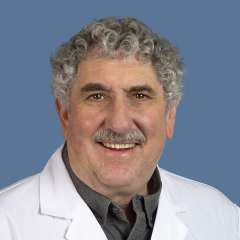
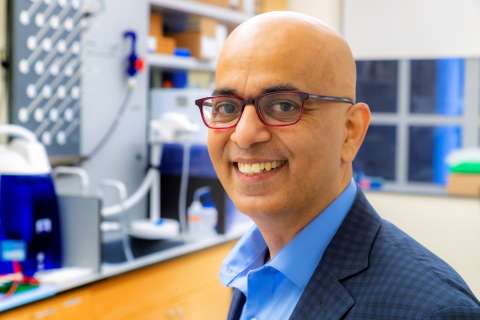
The funding will support expansion of the program to clinics within UC Davis, UC Irvine and UC Riverside, as well as the Cedars Sinai health system, Alameda Health System, University of Minnesota health system and Washington University St. Louis, said lead researcher Dr. Neil Wenger, professor of medicine in the division of general internal medicine and health services research at the David Geffen School of Medicine at UCLA. This project will also be led by Dr. Anne Walling, also a professor of medicine in the same division, and Rebecca Sudore, MD, professor of medicine in the division of geriatrics at UCSF.
The group authored an additional study recently, which showed that it matters how one promotes advance care planning. The research, published in JAMA Open Network, found that prompting patients to discuss advance care planning with their primary care physician just before an office visit resulted in 66 percent more advance directives and 44 percent more ACP discussions compared with patients who were prompted at other times.
“These findings may have broader implications,” said Dr. Walling. “Health systems often want to send preventive care reminders, so if we know the most effective timing of those, it could boost other sorts of preventive health.”