
Monique Miscusi
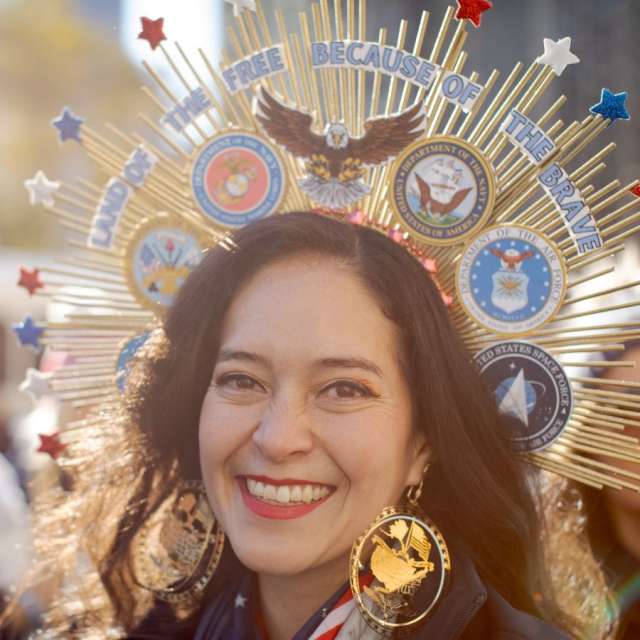
Monique Miscusi
"Healing is a process, not a product to obtain. Asking for support is a strength, not a weakness."
— Monique Miscusi
For as long as Monique Miscusi can remember, caregiving has been part of her life. Raised in a military family, she learned early what it meant to support a loved one living with the lasting effects of military service. Her grandfather, a disabled Army and Navy veteran who served in Korea and Vietnam, lived with PTSD and later developed cancer related to Agent Orange exposure. As a child, Monique accompanied him to chemotherapy appointments, helped manage medications, pushed his wheelchair and witnessed firsthand the challenges of chronic illness and military-related health conditions.
When her husband, Buster, returned home from Afghanistan, Monique instinctively understood how to support someone living with PTSD. But as his health challenges became more complex, she found herself navigating unfamiliar territory. After months of unexplained symptoms, including severe fatigue, anemia, night sweats and excessive sleepiness, Buster was diagnosed with Crohn's disease linked to burn pit exposure. While the diagnosis finally provided answers, it also brought the reality of managing a lifelong chronic illness.
As Buster’s caregiver, Monique became a steady source of support. She attended medical appointments, helped manage medications, adapted to changing nutritional needs, coordinated paperwork and provided encouragement through treatment setbacks and symptom flare-ups. Her focus remained on helping her husband maintain the best quality of life possible.
The challenges deepened when Buster was later diagnosed with a traumatic brain injury (TBI) resulting from low-blast mortar exposure during military service. Once again, Monique adapted to a new caregiving role. She learned to support him through vertigo, migraines, memory difficulties and neurological episodes that can affect his speech, mobility and cognition. Throughout the challenges, she remained a steady source of support and encouragement.
Through years of caregiving, Monique has learned that adaptability is one of the most valuable skills a caregiver can develop. Because her husband's conditions can change from day to day, she focuses on the present, communicates openly and adjusts to whatever challenges arise. She credits strong communication, realistic expectations and a willingness to seek support as essential to sustaining both her caregiving role and her own well-being.
Seeking support for her husband's TBI led Monique to Operation Mend. There, she found a team that listened, empowered and provided practical tools for both veterans and caregivers. Through the program, she gained a deeper understanding of her husband's condition, greater confidence as a caregiver and reassurance that she was not navigating the journey alone.
What stood out most was the compassion of the Operation Mend team. Monique felt heard and supported by healthcare professionals who recognized not only the needs of the veteran, but also the role of the caregiver. The program reinforced the importance of caring for herself while caring for her husband and helped her recognize strengths she had developed through years of supporting her family.
Today, Monique is proud to be part of a community that recognizes the vital role caregivers play in healing and recovery. She remains grateful for the physicians and staff who continue to make Operation Mend a lifeline for veterans and their families, and she is inspired by the courage of veterans who seek help despite the challenges they face.
Her message to fellow caregivers and military families is simple: you don't know what you don't know, and there is no shame in asking for help. Healing is a process, not a destination, and seeking support is a sign of strength. With compassion, education and a willingness to adapt, families can move forward together.
Above all, Monique is grateful to walk this journey alongside her husband. Together, they continue to face life's challenges one day at a time, finding strength not in perfection, but in partnership, perseverance and hope.