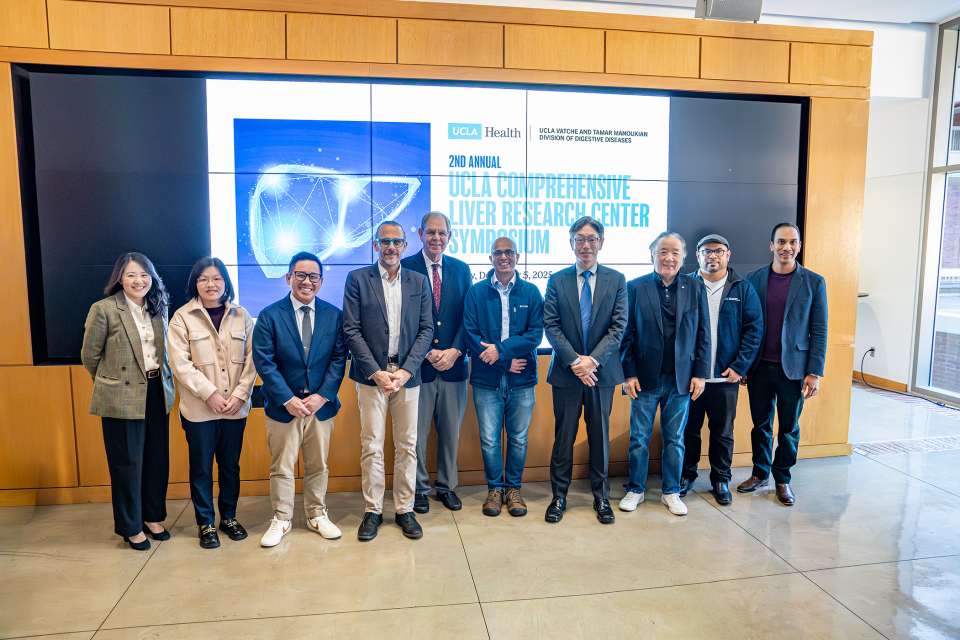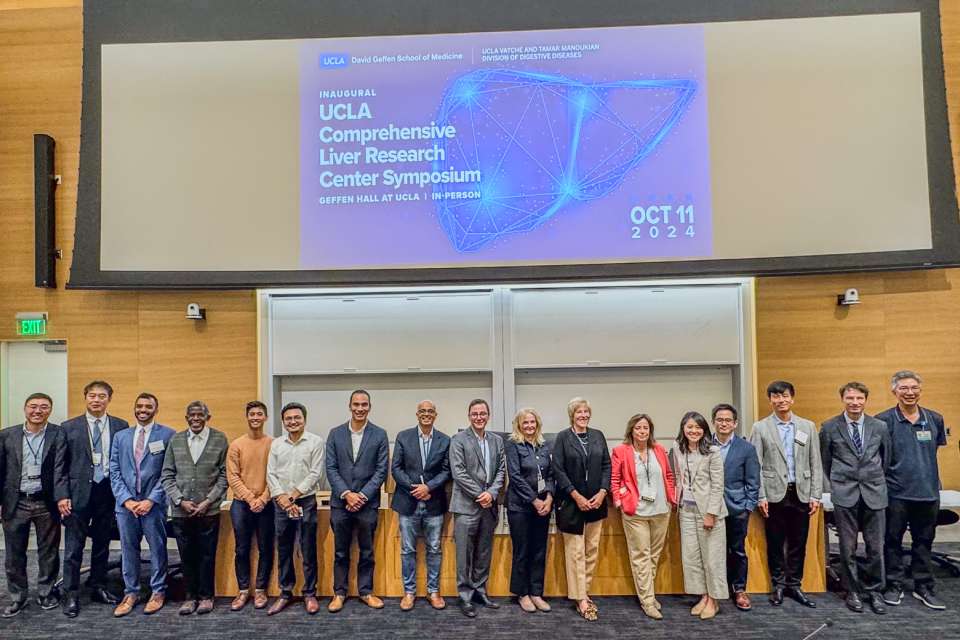
Symposia
Registration Open
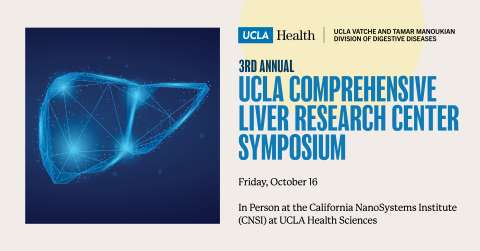
The 3rd Annual UCLA Comprehensive Liver Research Center Symposium brings together leading investigators, clinicians, trainees and research professionals for a dynamic day of scientific exchange and collaboration. This annual event showcases leading-edge discoveries in liver biology, metabolism and related fields while fostering new partnerships across disciplines and institutions. Attendees will hear from a distinguished keynote speaker and a diverse lineup of experts, alongside presentations highlighting innovative research and collaborations from across UCLA. The symposium also provides a platform for emerging investigators to share their work and connect with leaders in the field. A featured poster session will spotlight outstanding liver- and metabolism-related research conducted by graduate students, postdoctoral scholars and junior faculty, creating opportunities for mentorship, networking and scientific discussion.
- Date: Friday, October 16
- Time: 8 am - 6 pm
- Location: California NanoSystems Institute (CNSI) Auditorium, 570 Westwood Plaza, Los Angeles, CA 90095
Additional information:
- Abstract submission closed.
- The symposium is not open to the public.
- In person only.
- Email Dr. Nuria Martinez-Lopez with questions.
| Time | Topic |
|---|---|
| 8 - 8:45 am | Breakfast and networking |
| 8:45 - 9 am | Welcome remarks and the state of the UCLA Comprehensive Liver Research Center Rajat Singh, MD, MBBS: Director, UCLA Comprehensive Liver Research Center Vatche G. Agopian, MD: Co-Director, UCLA Comprehensive Liver Research Center |
| 9 - 9:45 am | Modeling MASLD using patient-derived iPSCs Keynote Speaker: Jacquelyn Maher, MD: Director, UCSF Liver Center; Chief, Division of GI at San Francisco General Hospital |
| 9:45 - 10:10 am | Liver lipid homeostasis in cholesterol-drive MASLD Alexander H. Nguyen, MD, PhD: Assistant Professor-in-Residence of Medicine, UCLA |
| 10:10 - 10:35 am | Ethanol-producing microbes drive alcohol use and liver disease Cynthia Hsu, MD, PhD: Assistant Professor of Medicine, UC San Diego |
| 10:35 - 10:50 am | Break |
| 10:50 - 11:25 am | Mechanisms linking lipid droplets to MASLD Douglas Mashek, PhD: Distinguished McKnight University Professor, University of Minnesota |
| 11:25 am - 12 pm | Regulatory noncoding elements in hepatic lipid homeostasis and MASLD Tamer Sallam, MD, PhD: Professor of Medicine & Physiology; Director, UCLA Center for Preventive Cardiology & Cardiometabolic Health |
| 12 - 1:30 pm | Lunch |
| 1:30 - 2:05 pm | Reductive Stress, GCKR, and hepatic metabolic physiology Russell Goodman, MD, DPhil: Assistant Professor of Medicine, Massachusetts General Research Institute; Harvard Medical School |
| 2:05 - 2:40 pm | The impact of genetic risk and social determinants of health on the clinical outcomes of patients with metabolic dysfunction associated steatotic liver disease Jihane N. Benhammou, MD, PhD: Co-Director, Human MASLD Core, Comprehensive Liver Research Center |
| 2:40 - 3:15 pm | Liver-heart crosstalk in heart failure Keynote speaker: Aldons "Jake" Lusis, PhD: Professor of Medicine, Microbiology, Immunology & Molecular Genetics, and Human Genetics, UCLA |
| 3:15 - 3:30 pm | Closing remarks Alexander Monto, MD: Co-Director, Enrichment Program, Comprehensive Liver Research Center Carrie R. Wong, MD, PhD: Co-Director, Enrichment Program, Comprehensive Liver Research Center |
| 3:30 - 5 pm | Poster session |
| 5 - 6 pm | Networking reception and poster winner announcement |
Speakers and Bios
Center Director and Co-Director
Rajat Singh, MD, MBBS
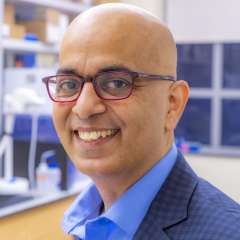
Director, Comprehensive Liver Research Center
Professor of Medicine
Vatche and Tamar Manoukian Division of Digestive Diseases
David Geffen School of Medicine at UCLA
Dr. Singh earned his MBBS degree at the Medical College of the University of Calcutta in 2000, and his MD at PGIMER, Chandigarh, India in 2004. He joined the lab of Dr. Mark Czaja at the Marion Bessin Liver Research Center of the Albert Einstein College of Medicine to pursue postdoctoral training in basic liver research. In the course of his postdoctoral research (in collaboration with Dr. Ana Maria Cuervo), Dr. Singh discovered the process of lipophagy, a previously unknown way cells degrade fat stores. After successful postdoctoral training with first-author papers in high-impact journals such as Nature, Journal of Clinical Investigation, Hepatology, and the Journal of Biological Chemistry, and supported by a K award, Dr. Singh started his own lab at Albert Einstein in 2010. Since then, his lab has demonstrated novel roles of autophagy in the regulation of food intake (Cell Metabolism 2011 and EMBO reports 2012), energy metabolism (Cell Metabolism 2016), cell signaling (Nature Communications2013), and the circadian clock (Cell Metabolism 2018). The Singh Lab has also developed a novel feeding intervention that protects against fatty liver and type II diabetes in various mouse models of obesity and aging without the need to cut caloric intake (Cell Metabolism 2017). Dr. Singh is deeply invested in mentoring junior faculty and fellows within the Division on topics related to grant writing and lab management. The Singh Lab has been continually funded by R01 grants, P01s, as well as training grants to his students, including an F31 fellowship, T32 fellowships, and a K01. Current projects in the Singh Lab investigate novel integrative mechanisms including autophagy and mTOR signaling and regulation of liver and systemic metabolism in models of aging, obesity, MASH, and HCC.
Vatche G. Agopian, MD
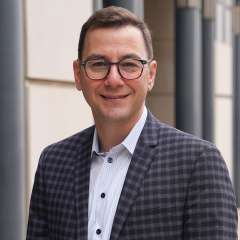
Professor of Surgery and Pharmacology
Dumont-UCLA Endowed Chair of Transplantation Surgery
Director, Dumont-UCLA Liver Cancer Center
Co-Director, Comprehensive Liver Research Center
Liver Transplantation and Hepatobiliary Surgery
Department of Surgery
David Geffen School of Medicine at UCLA
Dr. Agopian is professor of surgery and pharmacology at the David Geffen School of Medicine at UCLA, and the Dumont-UCLA Endowed Chair of Transplantation Surgery. His clinical expertise is focused on liver transplantation and the surgical management of both benign and malignant conditions of the liver and bile ducts (hepatobiliary surgery). He serves as the director of the Dumont-UCLA Liver Cancer Center, which includes a multidisciplinary team of hepatologists, medical oncologists, interventional radiologists, radiation oncologists, and interventional gastroenterologists in delivering evidence-based, state-of-the-art care to patients with primary and secondary liver malignancies. Dr. Agopian is the principal investigator of a National Institutes of Health funded translational laboratory focused on the development of blood-based biomarkers (“liquid biopsy”) for the early detection and prognostication of primary liver malignancies- including hepatocellular carcinoma and cholangiocarcinoma. He also serves as the co-director of the UCLA Comprehensive Liver Research Center.
Course Co-Directors
Alexander Monto, MD
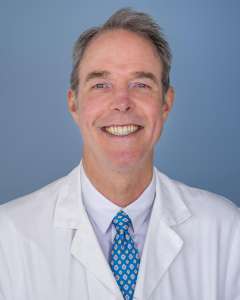
Clinical Chief, GI Section, VA Greater Los Angeles Health Care System
Co-Director, Enrichment Program, Comprehensive Liver Research Center
Professor of Medicine
David Geffen School of Medicine at UCLA
Dr. Monto has served as clinical chief of the Gastroenterology Section at the VA Greater Los Angeles Health Care System for the past year, after previously spending twenty-three years as a faculty member at UC San Francisco, based at the San Francisco Veterans Affairs Medical Center. He maintains an active clinical practice in both gastroenterology and hepatology. At the San Francisco VA, he led hepatology, including liver clinics, inpatient consults and research. His research interests included the progression of liver disease from hepatitis C and clinical trials of direct-acting antiviral therapies for hepatitis C. He had a key role in developing national VA hepatitis C initiatives which resulted in over 90% of VA hepatitis patients being cured by 2021. His work, supported by the National Institutes of Health, VA, and industry grants, now focuses on alcohol-associated liver disease, fatty liver disease, new liver disease therapies, and hepatocellular carcinoma. He has also received numerous awards for his teaching and mentorship of medical students and other trainees. Dr. Monto earned his medical degree from Columbia University College of Physicians and Surgeons, completed his residency in internal medicine at Columbia Presbyterian Medical Center and Massachusetts General Hospital. He completed gastroenterology fellowship at UCSF. He is a professor of medicine at the David Geffen School of Medicine at UCLA.
Carrie R. Wong, MD, PhD
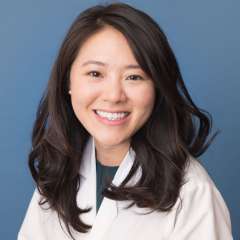
Co-Director, Enrichment Program, Comprehensive Liver Research Center
Health Sciences Assistant Clinical Professor of Medicine
Vatche and Tamar Manoukian Division of Digestive Diseases
Pfleger Liver Institute
Dumont-UCLA Liver Transplant Center
David Geffen School of Medicine at UCLA
Dr. Wong is a clinician-investigator and transplant hepatologist with expertise in caring for patients across the continuum of liver disease from diagnosis to post-liver transplantation. She practices at Ronald Reagan UCLA Medical Center and the Pfleger Liver Institute. Dr. Wong’s research aims to improve early detection of steatotic liver disease. Her research leverages epidemiological and health services methods to evaluate health, behavioral, and environmental data to improve risk stratification and early detection of steatotic liver disease among high-risk groups. Through these evaluations, her research team develops and tests multilevel, pragmatic health interventions to improve early detection of liver disease.
Dr. Wong received her bachelor's degree in public health from the University of California, Berkeley and medical degree from Stony Brook University School of Medicine in New York, where she was inducted into the Gold Humanism Honor Society. She completed her clinical training in the Yale Traditional Internal Medicine Residency Program and gastroenterology and advanced transplant hepatology fellowships at UCLA. With support from the UCLA Specialty Training and Advanced Research and Ruth L. Kirshstein National Research Service Award T32 fellowship programs, she completed her PhD in the Department of Health Policy and Management at the UCLA Fielding School of Public Health in 2023. Thereafter, she joined the faculty as an assistant professor in the UCLA Vatche and Tamar Manoukian Division of Digestive Diseases. Dr. Wong is board certified in internal medicine, gastroenterology, and transplant hepatology.
Keynote Speakers
Aldons "Jake" Lusis, PhD: UCLA
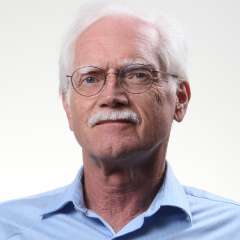
Professor, Medicine, Microbiology, Immunology & Molecular Genetics, and Human Genetics
David Geffen School of Medicine at UCLA
Dr. Lusis did his PhD in biophysics and his postdoctoral fellowship in molecular genetics. Since 1980, Dr. Lusis has been a professor at UCLA in the Departments of Medicine, Microbiology, and Human Genetics. His laboratory uses population-based approaches in mice and humans to study common, complex forms of cardiovascular and metabolic disorders. In particular, the lab uses “systems genetics”, involving the integration of clinical trait and “omics”-level data in populations, to better understand atherosclerosis, fatty liver disease and heart failure.
Jacquelyn J. Maher, MD: UC San Francisco
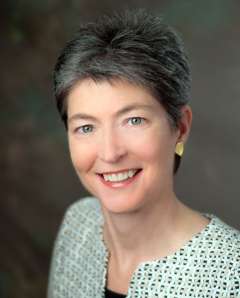
Emeritus Professor of Medicine, University of California San Francisco
Chief of the Division of Gastroenterology, San Francisco General Hospital
Director, UCSF Liver Center
Dr. Maher is an emeritus professor of Medicine at UCSF, currently on recall for research. She served 39 years as a faculty member in the UCSF Gastroenterology Division at UCSF, 14 of which were as chief of the GI Division at the Zuckerberg San Francisco General Hospital (2012-2026). She is the former program director of the NIH-funded UCSF Liver Center (2008-2024) and continues to direct a biomedical core facility within the Center. She is also co-director of the T32 Postdoctoral Training Program in hepatology at UCSF. Outside UCSF, Dr. Maher has held leadership roles in the AASLD and AGA and served as associate editor for AJP – GI and Liver Physiology, Hepatology and Gastroenterology. She also has extensive grant review experience for the NIH as well as GI foundations. She is currently a member of the NIDDK Advisory Council. Dr. Maher has devoted her career to basic studies of disease mechanisms underlying alcoholic and nonalcoholic steatohepatitis. Her focus at present is on in vitro liver disease modeling using patient-derived iPSCs.
Invited Speakers
Russell P. Goodman, MD, DPhil: Harvard Medical School
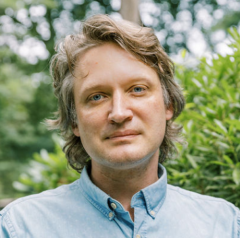
Assistant Professor of Medicine
Massachusetts General Research Institute
Harvard Medical School
Dr. Goodman is a hepatologist and physician-scientist, and the Jules L. Dienstag, MD and Betty and Newell Hale Chair in Gastroenterology in the Division of Gastroenterology at Mass General Brigham and Harvard Medical School. His laboratory studies fundamental aspects of hepatic physiology, with a particular emphasis on redox metabolism, and has pioneered the use of novel in vivo metabolic tools to study how reductive stress — elevations in hepatic NADH levels — influences hepatic metabolic physiology and MASLD, and how it is in turn shaped by human genetics. Dr. Goodman cares for patients with alcohol-related and genetic liver disease, and is research director of the MGH Alcohol Liver Center and founder of the MGH Liver Genetics Clinic.
Cynthia L. Hsu, MD, PhD: UC San Diego
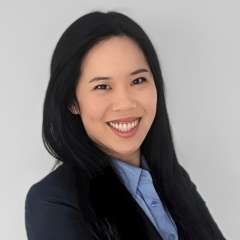
Assistant Professor of Medicine
UC San Diego
Dr. Hsu is an assistant professor at the University of California, San Diego and the San Diego VA Medical Center. She received her MD and PhD from UC San Diego, followed by clinical training in gastroenterology and hepatology, and postdoctoral research training under the mentorship of Drs. Bernd Schnabl and Rohit Loomba. Dr. Hsu's current research focuses on defining gut microbiome–driven mechanisms in alcohol use disorder and steatotic liver disease, bridging microbial metabolism, mucosal immunology, neurobiology, and translational hepatology. Her work is supported by an NIH/NIAAA K99/R00 Pathway to Independence Award and an AASLD Foundation Clinical, Translational, and Outcomes Research Award, and she is the recipient of several honors, including the American Society for Clinical Investigation (ASCI) Young Physician-Scientist Award.
Douglas G. Mashek, PhD: University of Minnesota
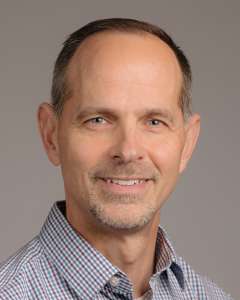
University McKnight Distinguished Professor
Department of Biochemistry, Molecular Biology, and Biophysics
Department of Medicine, Division of Diabetes, Endocrinology, and Metabolism
Masonic Institute on the Biology of Aging and Metabolism
University of Minnesota
Dr. Mashek is a professor at the University of Minnesota. He has a primary appointment in the Department of Biochemistry, Molecular Biology, and Biophysics and a secondary appointment in the Department of Medicine, Division of Diabetes, Endocrinology, and Metabolism. He currently serves as the associate director of the Masonic Institute on the Biology of Aging and Metabolism and co-directs two T32s – the Training Grant in Diabetes and Endocrinology to Enhance Metabolic Healthspan and the Functional Multi-omics of Aging. He obtained degrees from Iowa State University (BS), Michigan State University (MS), and the University of Wisconsin-Madison (PhD), and completed postdoctoral training at the University of North Carolina at Chapel Hill. His research focuses on understanding lipid metabolism related to the development of metabolic diseases and aging. A major research emphasis is lipid droplet biology and signaling, a key node regulating many biological processes that impact cell function and disease etiology. Dr. Mashek has had continuous NIH funding for ~18 years and is funded from various organizations, private institutes, and industries. He has received numerous awards, including the American Diabetes Association Junior Faculty Award, the Novo Nordisk Diabetes Innovation Award, and the American Society for Nutrition E.L.R. Stockstad Award for advancements in fundamental nutrition research and, more recently, the McKnight University Distinguished Professorship.
UCLA Speakers
Jihane N. Benhammou, MD, PhD
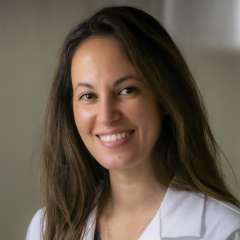
Co-Director, Human MASLD Core, Comprehensive Liver Research Center
Assistant Clinical Professor of Medicine
UCLA Division of Veterans Affairs
David Geffen School of Medicine at UCLA
Dr. Benhammou is an associate professor of medicine in the Department of Medicine at UCLA and a staff hepatologist and physician-scientist at the Greater Los Angeles Healthcare System. She completed her MD at University of California, San Francisco with a thesis in molecular medicine. Before starting her internal medicine training at the University of California, Los Angeles, Dr. Benhammou spent two years at the National Cancer Institute studying functional genomics and hereditary forms of kidney cancer. Dr. Benhammou went on to complete her gastroenterology and transplant hepatology training at UCLA. There, she received advanced research training in the UCLA Specialty Training and Advanced Research (STAR) program and NIH T32, which supported her PhD in the Department of Molecular, Cellular, and Integrative Physiology. Dr. Benhammou’s translational research program focuses on understanding the clinical and molecular underpinnings of MASLD progression to HCC using multipronged approaches in multidisciplinary teams across both UCLA and the VA leveraging the large, diverse populations of Southern California.
Alexander H. Nguyen, MD, PhD
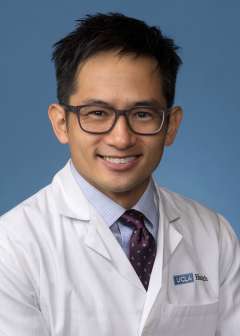
Assistant Professor-in-Residence of Medicine
Vatche and Tamar Manoukian Division of Digestive Diseases
David Geffen School of Medicine at UCLA
Dr. Nguyen earned his bachelor’s degree in molecular and cell biology from the University of California, Berkeley. He earned his medical degree from Weill Cornell Medical College and doctoral degree from The Rockefeller University through the Tri-Institutional MD-PhD Program. His doctoral research investigated the metabolic mechanisms driving colorectal cancer metastasis using large-scale functional genomic screening and xenograft models. He completed his internal medicine residency and gastroenterology fellowship at UCLA, where he conducted postdoctoral research on liver lipid metabolism. His fellowship research was supported by the UCLA Specialty Training and Advanced Research (STAR) program and an NIH T32 GI training grant.
In 2023, Dr. Nguyen joined the faculty at the UCLA Vatche and Tamar Manoukian Division of Digestive Diseases. His research focuses on characterizing the regulation of liver lipid metabolism to advance the diagnosis and treatment of steatotic liver disease. His contributions as a physician-scientist have been recognized with an ASCI Emerging Generation Award, an AGA Research Scholar Award, and an NIH K08 Clinical Investigator Award. Dr. Nguyen is board certified in internal medicine and gastroenterology.
Tamer Sallam, MD, PhD
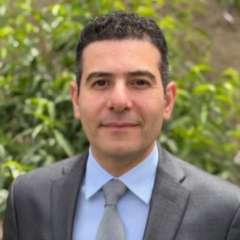
Professor of Medicine & Physiology
Vice Chair, Department of Medicine
Executive Co-Director, UCLA Specialty Training & Advanced Research (STAR)
Director, UCLA Center for Preventive Cardiology & Cardiometabolic Health
Division of Cardiology
David Geffen School of Medicine at UCLA
Dr. Sallam is a professor of medicine and physiology at the David Geffen School of Medicine at UCLA, where he serves as vice chair for research training in the Department of Medicine, executive co-director of the UCLA Specialty Training and Advanced Research (STAR) Program, and director of the UCLA Center for Preventive Cardiology and Cardiometabolic Health.
A graduate of the University of California, Irvine School of Medicine, he completed residency and chief residency training in internal medicine at Yale, followed by cardiology fellowship training at UCLA. He earned his PhD in molecular, cellular and integrative physiology through the UCLA STAR Program.
The Sallam Lab investigates regulatory RNAs in cardiometabolic disease, focusing on how lncRNAs and epitranscriptomic mechanisms shape gene–phenotype relationships. His work has provided key insights into the precise and synchronized control of gene expression in atherosclerosis pathways.
In 2015, Dr. Sallam was named the Lauren B. Leichtman and Arthur E. Levine Investigator at UCLA. He is a recipient of the American College of Cardiology Presidential Career Development Award, Gilead Cardiovascular Research Scholar, American Heart Association Transformational Project Award, and the Burroughs Wellcome Fund Career Award for Medical Scientists. His laboratory is supported by multiple NIH and foundation grants.
Past symposia