Dear Doctors: I slipped and slammed my shin on the metal ledge of a moving van. I could still move my toes, turn my foot, stand on it and walk, so I figured it wasn’t a break. A few days later, a big lump showed up, with lots of swelling and bruising. Could it be it actually was broken?
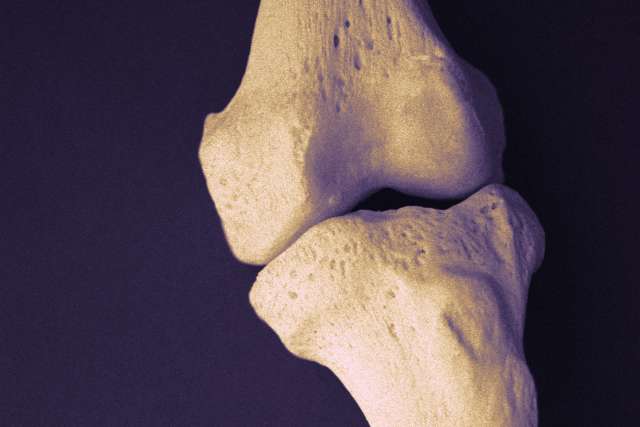
Dear Reader: The bone you injured is known as the tibia. It is the second-longest bone in the body -- and one of the strongest. Its unique triangular shape provides the structural support needed to bear the weight of the body while standing and in motion. The three distinct borders of the bone, along with their adjacent surfaces, serve as attachment points for muscles and connective tissue.
Due to its size and heft, the tibia requires a high-energy force to cause a break. This might be a car accident, a fall from a height or a blunt force or twisting injury in a contact sport. Osteoporosis can also play a role. But in a healthy adult, the mishap you described is not likely to have resulted in a fracture. However, and this is important, bones are susceptible to other types of impact injuries. These include bone bruises. Based on your symptoms, it’s possible that this is what happened.
A bone bruise occurs when force strikes the bone hard enough to cause damage to its surface structure. Rather than a break in the bone, as happens in a fracture, a bone bruise is a localized area of microfractures. Depending on the severity of the injury, these can reach into multiple layers of bone tissue. Symptoms of a bone bruise include the pain, bruising and localized swelling that you described. But unlike a fracture, a bone bruise does not impair the integrity of the bone. That means it does not need to be stabilized.
The word “bruise” in this type of injury can be misleading. Even though you are able to stand and walk, the damage to the bone can be substantial. The swelling and bruising and tenderness of a bone bruise can take weeks to subside. During that time, you need to dial down your activity level, regularly elevate the affected limb and avoid percussive movement. You can also use anti-inflammatory medications to manage pain. The structure of the bone itself needs to heal as well. This can take a surprisingly long time -- up to three to six months, or even longer.
It would also be wise to check in with your health care provider to rule out other possible injuries. These include a deep bruise that may benefit from a guided healing process; a cortical fracture, which is a break in the outer layer of the bone; or a hematoma, which is a collection of blood outside of a vessel. Your doctor will ask for details of how the injury happened and assess swelling, pain and mobility. If they suspect a more serious injury, they may recommend imaging tests. The goal is an accurate diagnosis and appropriate treatment to head off any long-term problems.
(Send your questions to [email protected], or write: Ask the Doctors, c/o UCLA Health Sciences Media Relations, 10960 Wilshire Blvd., Suite 1955, Los Angeles, CA, 90024. Owing to the volume of mail, personal replies cannot be provided.)