UCLA Health sets a new standard of care for people with sickle cell disease (SCD), providing dedicated multidisciplinary resources, multiple clinic locations, a focus on inclusivity and the availability of clinical trials that can benefit patients, as well as the field of regenerative medicine.
The Sickle Cell Disease Program at UCLA is housed within the Stem Cell Transplant Program, “… allowing seven-days-a-week access to transfusions, infusions and pain management,” says Mary Sehl, MD, PhD, clinical professor of medicine, Division of Hematology-Oncology.
The program’s team consists of health care leadership, hematologists, nurse practitioners, social workers, subspecialists and primary care champions. They work to optimize preventive care, ease transitions into emergency and inpatient settings, and improve quality of life.
Currently, the program is actively caring for just over 200 people with SCD.
The latest therapies
UCLA Health now offers two gene therapies for SCD approved by the FDA in late 2023. Because California has opted into the cell and gene therapy access model to provide coverage for gene therapy, Medi-CAL covers these therapies, curative in nature, according to the outcome-based agreement model outlined by CMS.
CasgevyR (exagamglogene autotemcel) is the first FDA-approved therapy utilizing CRISPR/Cas9 gene editing technology to modify patients’ hematopoietic (blood) stem cells.
“CRISPR searches for a faulty gene, then edits and replaces it with a functional gene,” explains Laurie Shaker-Irwin, PhD, MS, senior director, CIRM UCLA Health Alpha Clinic Programs.
Dr. Sehl further notes that CRISPR gene editing aims to improve outcomes “… by modifying a patient’s stem cells, either by repairing the beta globin gene or increasing the production of fetal hemoglobin, which can reduce or eliminate vaso-occlusive crises.”
The process involves screening tests, red blood cell exchange transfusions, cell collections, cell manufacturing and chemotherapy, followed by infusion of the modified stem and progenitor cells.
The second gene therapy is LyfgeniaTM (lovotibeglogene autotemcel), a one-time treatment that utilizes a lentiviral vector to deliver a modified gene into a patient’s blood stem cells.
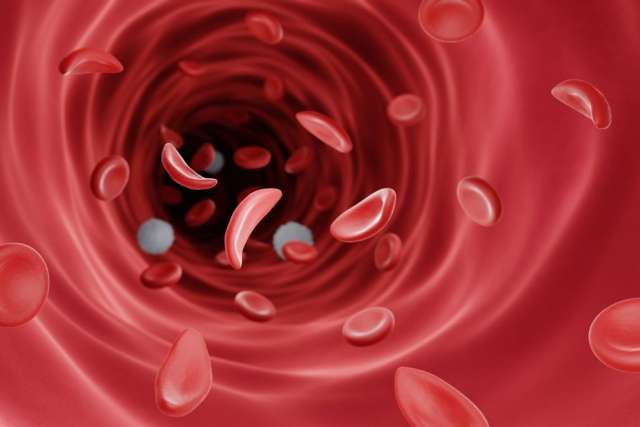
This gene produces a form of hemoglobin which functions similarly to normal adult hemoglobin and helps reduce sickling of red blood cells.
Clinical trial access
Patients at UCLA Health also have access to clinical trial treatment, which contributes to the body of research underlying best practices, new treatment options and improved outcomes in the future.
“For transformative therapies, like gene therapy, that includes a reduction in the need for transfusions and hospitalization, and ultimately an improved length and quality of life,” explains Dr. Sehl. “Those are the same goals for our oral small molecule targeted therapies, which aim to modify molecular activities in the cell.”
For example, Dr. Sehl notes that targeting pyruvate kinase or inducing fetal hemoglobin production may lead to improved red cell health. These therapies involve the patient taking oral medication for a period of several weeks and periodically visiting the clinic for blood draws to check for hemoglobin levels.
Currently six trials at UCLA are enrolling patients with SCD. In addition to trials involving small molecule therapies, CRISPR-related therapy and more, another is enrolling participants to help researchers determine the effectiveness of peer support for adolescents and young adults contending with sickle cell pain.
New trials are added all the time. So, Dr. Shaker-Irwin says, it’s important for health care providers to stay updated.
UCLA has a navigation service that follows up with trial candidates based upon its “Match to a Clinical Trial” submission form or a phone inquiry.
Patients are matched to trials based on interest and willingness to participate, Dr. Sehl notes.
“Other factors that play into the decision to enroll a patient include what therapies the patient is currently tolerating and if they are helping, and whether the patient might be able to tolerate potential known and unknown risks associated with a new therapy,” she adds.
While age restrictions and a patient’s unlikeliness to tolerate and/or benefit from a therapy may limit participation, “at UCLA we aim to be inclusive in clinical trials and address the barriers that may arise in different populations,” stresses Dr. Sehl.
“Important goals include establishing trust, making sure no patient ever feels pressured into a trial and assuring patients their care will not be negatively impacted if they choose not to participate.”
Patients advancing science
Ultimately, it’s the patients who collectively make the SCD trials push medical science and treatment options forward.
“I’ve seen patients with SCD participate in various studies purely for the advancement of science. They generously donate their time and specimens with the goal of moving the field forward,” notes Dr. Sehl.
“Patients are the real heroes of clinical trials, possibly improving their own health while contributing to medical advancement,” adds Dr. Shaker-Irwin. “These studies provide researchers and the FDA with the data needed to consider moving ahead with specific interventions that will treat SCD patients in the future.”
Related
A sister’s legacy fuels this doctor’s war on sickle cell disease