Esophageal motility disorders can significantly diminish quality of life, making everyday activities such as eating and drinking uncomfortable and contributing to reflux, chest discomfort, nutritional challenges, and disruptions in social interactions and overall well-being.
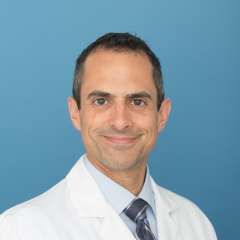
“For many individuals, reflux or swallowing disorders result from their esophageal motility not being intact,” says Kevin Ghassemi, MD, health sciences clinical professor of medicine in the Vatche & Tamar Manokian Division of Digestive Diseases and medical director of the Robert G. Kardashian Center for Esophageal Health.
Motility disorders can be challenging to diagnose and treat, Dr. Ghassemi says, so specialized testing and expertise in interpreting findings are essential. Esophageal manometry and other physiologic studies, for example, offer insights that endoscopy alone can’t provide, helping clinicians distinguish from among potential causes of symptoms and then tailor the treatment.
“Proceeding with an intervention such as anti-reflux surgery without fully understanding esophageal function has the potential to worsen symptoms or introduce complications rather than delivering relief,” Dr. Ghassemi says. “Employing the technology to better understand the specifics of a patient’s condition is crucial to diagnosing and providing the optimal treatment plan.”
Multidisciplinary care
The GI Motility Program within the Kardashian Center for Esophageal Health provides multidisciplinary expertise and advanced diagnostic capabilities to treat complex motility disorders. Gastroenterologists, interventional endoscopists, surgeons, radiologists, dietitians and integrative health providers, among others, deliver comprehensive and coordinated care for esophageal and other GI motility disorders.
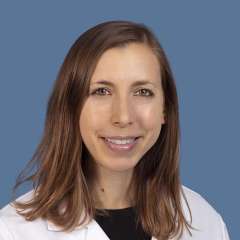
With the recent addition of Amanda Krause, MD, health sciences assistant clinical professor of medicine, the motility program is expanding further. In addition to seeing patients and developing her own research program, Dr. Krause will help establish an advanced esophageal and motility fellowship at UCLA Health and provide specialized training for current GI fellows.
The GI Motility Program performs a high volume of motility testing, using advanced technologies to improve diagnosis and guide targeted treatment. Ambulatory reflux monitoring is offered in Westwood and at UCLA Health community-based sites throughout greater Los Angeles.
Testing options include:
- High-resolution esophageal manometry, which measures esophageal muscle contractions and sphincter function in patients with swallowing difficulties or reflux symptoms.
- Esophageal pH testing, which measures the frequency and duration of acid reflux, evaluates reflux in different positions, and assesses whether symptoms correlate with reflux events. The program offers wireless pH monitoring, a more comfortable alternative to nasal testing that uses a small capsule attached to the esophagus during endoscopy.
- EndoFLIP, an endoscopic tool that uses a fluid-filled balloon to measure how well the sphincter between the esophagus and stomach stretches and relaxes. The technology helps to identify motility disorders and reduces the need for nasal manometry in certain patients. A therapeutic version, EsoFLIP, is used to dilate a tight esophageal sphincter to help food and liquids pass more easily into the stomach.
- Anorectal manometry is offered to evaluate rectal and sphincter strength, coordination and sensation in patients with symptoms such as chronic constipation. The results can identify pelvic floor dysfunction and guide treatment. For patients whose anal sphincter muscles do not relax appropriately, biofeedback therapy can retrain pelvic floor coordination and facilitate bowel movements.
Since joining UCLA Health, Dr. Krause has enrolled in the Junior Faculty Academic Mentorship Council, a program offered by the David Geffen School of Medicine at UCLA that offers coaching and mentoring for junior faculty; and DGSOM’s Medical Education Fellowship, which prepares faculty for educational leadership.
In her own research, Dr. Krause focuses on laryngopharyngeal reflux disease, esophageal disorders, disorders of gut-brain interaction, and the role of the microbiome in H. pylori. She is also developing a database for patients who have undergone esophageal manometry to support future studies.
Dr. Krause’s background in nutrition informs her interest in integrating dietary, lifestyle and behavioral approaches into patient care, as well. She notes that one of the attractions of joining the group was the opportunity to collaborate not only with motility physicians, but also the GI dietitians and GI psychologists who play a prominent role in this comprehensive care.
“That’s unique to UCLA Health, and it contributes to better outcomes,” Dr. Krause says. “It’s very rewarding to be part of a team that is making a difference for these patients. For most people, eating is one of the main pleasures in life, and when it becomes challenging and stressful, that has a huge impact. The ability to provide testing and treatment that can be life-changing for these individuals is what drew me to this field.”
Coordinated care
The esophageal center’s multidisciplinary, comprehensive nature means coordinated care and education for patients and referring providers.
Sonia Divakaran, RN-BC, joined the center in 2019 to streamline consultations for esophageal and motility services. As esophageal and motility nurse coordinator, she helps patients and referring providers navigate the center and access timely care.
“My role includes ensuring that patients receive the right care at the right time, especially when multiple specialists are involved,” Divakaran says. “I help connect the pieces, answer patients’ questions, and make sure the appropriate next steps are taken and nothing falls through the cracks.”
That effort is facilitated, in part, by a bimonthly multidisciplinary esophageal case conference, which brings faculty, fellows and academic collaborators from other institutions together to discuss complex cases and develop treatment plans. The conference also serves as an educational forum where specialists share diagnostic approaches, emerging technologies and the rationale for choosing particular tests. Written interdisciplinary summaries and care coordination ensure that recommendations translate into action.
Divakaran has also overseen the development of educational materials, videos, and preparation guides explaining motility testing and related procedures, including what patients can expect before and after treatment. Community physicians can access one-page clinical guides to help select appropriate tests, determine pH testing options and identify candidates for anorectal biofeedback.
Growth of interventional endoscopy
Dr. Ghassemi sees interventional endoscopy as a major driver of progress in the field.
Per-oral endoscopic myotomy (POEM) has become a preferred alternative to surgery for certain swallowing disorders, while transoral incisionless fundoplication (TIF) offers an endoscopic option for treating acid reflux.
As these techniques advance, he says, he anticipates broader applications.
“Interventional endoscopy has transformed how we treat esophageal motility and reflux disorders,” Dr. Ghassemi says. “In the future, we are likely to see even more endoscopic techniques to address a broader range of esophageal conditions.”