
Dear Doctors: A friend who was diagnosed with Hashimoto's disease is now fearful of getting thyroid cancer, which happened to another family member. A social media site advocates a rigid diet, such as no gluten, dairy, tofu or tomatoes. How strong is scientific evidence for these restrictions?
Dear Reader: Hashimoto's disease is a chronic autoimmune disorder that affects the thyroid gland. Located just below the Adam's apple and above the breastbone, the adult thyroid measures about two inches across. It has two main lobes and is shaped like a bow tie or a butterfly. The thyroid produces the hormones our bodies use to regulate metabolic rate. The gland plays a crucial role in managing heart rate and body temperature. It's also involved in brain development, bone health and weight management.
In Hashimoto's disease, the immune system mistakenly attacks the cells and tissues in the thyroid that produce these hormones. This reduces thyroid function over time. There are many possible symptoms. They can include fatigue, dry skin and muscle weakness. Other symptoms are facial puffiness, brittle nails, constipation, hair loss and a swollen tongue. Hashimoto's can also make people feel easily chilled, sleepier than usual or depressed, and it can even change menstrual intensity and rhythms. A variety of blood tests can diagnose the disorder. Treatment depends on how bad the condition is. Options range from watchful waiting to hormone replacement therapy.
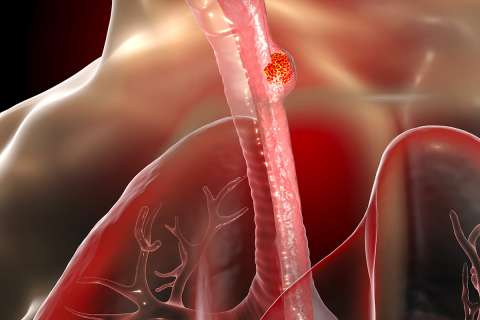
Hashimoto's disease is not considered to be a precancerous condition. That said, some studies have found a higher rate of papillary thyroid cancer among people who have Hashimoto's. The reasons for this are not yet clear. It's possible the chronic inflammation, a common factor in autoimmune diseases, plays a role. Celiac disease is a condition that occurs more often in people with Hashimoto's than in people without. Celiac disease is also an autoimmune disease. It's triggered by ingesting gluten, a protein found in wheat, barley and rye. In celiac disease, gluten causes the immune system to attack the lining of the small intestine.
That brings us to the dietary restrictions your friend has been reading about on social media. The warning about gluten is because celiac disease and Hashimoto's disease often occur together. The warning for dairy products is because lactose intolerance symptoms can mirror and worsen the symptoms of celiac disease. Avoiding tofu is based on evidence that some compounds in soy products can reduce absorption of levothyroxine, a synthetic hormone used to treat some forms of thyroid disease. The stance on tomatoes reflects a belief, still under debate, that nightshade vegetables can cause inflammation.
While our overview can be helpful to your friend, this is not medical or dietary advice. Instead, we hope that they will use the information to craft questions to ask their own medical team. Each case of every disease is unique to the patient and needs guidance specific to their needs and circumstances.
(Send your questions to [email protected], or write: Ask the Doctors, c/o UCLA Health Sciences Media Relations, 10960 Wilshire Blvd., Suite 1955, Los Angeles, CA, 90024. Owing to the volume of mail, personal replies cannot be provided.)