Dear Doctors: I was at a wedding where, in his toast, the best man said that as well as a home, the couple would be sharing their gut bacteria. They're all biologists, so it seemed like an inside joke. When I asked him, he said no, it's actually true. Really? Do couples start to share gut bacteria?
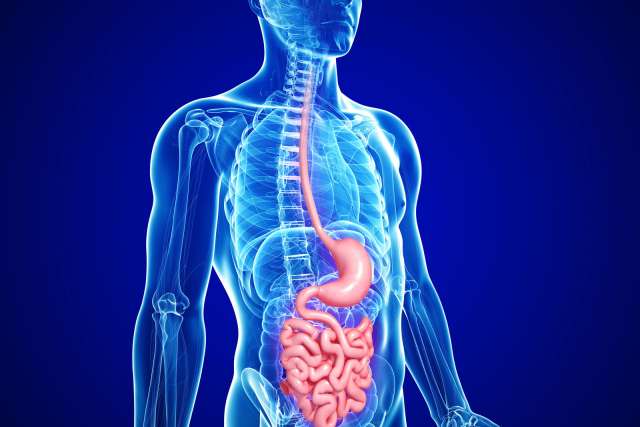
Dear Reader: Not that long ago, much of what we know about the human gut microbiome would have sounded less like science and more like science fiction. That we play host to trillions of microorganisms in our digestive tract. That they train the immune system, communicate with the brain, produce bioactive compounds and can alter the effects of some medications. And that, in the not-too-distant future, scientists expect to harness these capabilities to create living microbial medicines.
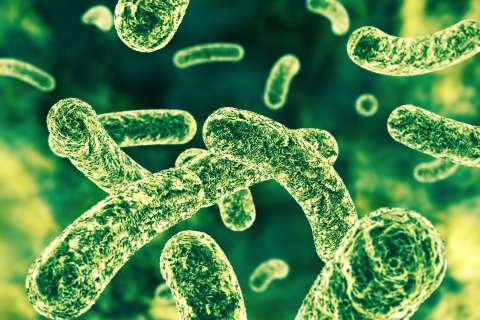
With all of that in mind, the gist of the best man's toast -- your guts are getting married, too -- stops seeming like such a leap. Because yes, his statement is correct, to a degree. Studies have found that the gut microbiome profiles of people who live together are markedly more similar than those who do not. Cohabiting couples have been found to share as much as 30% of their gut bacteria.
The reasons why make sense. Humans are constantly shedding microbes. They transfer to surfaces we touch and into the air as we breathe, speak, cough or sneeze. They hitch a ride on hair, on skin cells and in bodily waste. Every hour of every day, each of us makes a hefty contribution to the microbial environment. Now consider the close quarters of marriage: shared home, shared bed, shared food, physical contact and intimacy. It makes sense that a cohabiting couple would share microbes.
On the plus side, a diverse gut microbiome is associated with better physical and mental health. But the discovery that couples share microbes is raising new questions. Could a microbial profile associated with disease risk be transferred to a partner and increase their risk? On the flip side, could the robust gut microbiome of one partner help offset deficiencies in the other?
At this point in time, there are no clear answers. This is a new area of research, and studies into these questions are just getting started. Solving the mystery of who develops a disease and why requires robust data sets. These can obviously take years or even decades to compile. Meanwhile, the recent findings about shared microbial profiles are helping scientists rethink the traditional boundaries of the gut microbiome. Rather than viewing it solely as an individual inheritance, they are beginning to recognize it as a shared resource.
We have long known that our microbial communities are unique to us. Now it turns out they are also influenced by the people (and the animals) we live with. The environments we share also shape them. It is an interdependent relationship that science is just beginning to understand.
(Send your questions to [email protected], or write: Ask the Doctors, c/o UCLA Health Sciences Media Relations, 10960 Wilshire Blvd., Suite 1955, Los Angeles, CA, 90024. Owing to the volume of mail, personal replies cannot be provided.)