The Terasaki Institute for Biomedical Innovation was recently awarded a contract worth up to $19.8 million to engineer liver tissue for transplantation into humans. The aim is to build livers that don’t require donor matching, a hurdle that significantly contributes to the shortfall of organs available for those who need them.
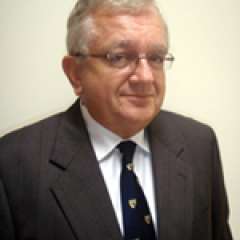
UCLA is one of the institutions participating in the project, with the support of Dr. Jerzy W. Kupiec-Weglinski, Terasaki Professor of Surgery at UCLA’s David Geffen School of Medicine. The federal funding came from the Advanced Research Projects Agency for Health (ARPA-H)’s PRINT program, a consortium of leaders in stem-cell biology, regenerative medicine, bioengineering, biomaterials, manufacturing and transplantation science.
UCLA plays a key part, tasked with finding out whether the engineered organs can function after being transplanted. Dr. Kupiec-Weglinski, who has focused his career on figuring out why organs succeed or fail, will lead UCLA’s participation.
“Ultimately, the goal is not simply to build tissues, but to restore lives and expand access to transplantation for patients who might otherwise never receive life-saving organ,” he said.
Nearly 25,000 people were on the U.S. liver transplant waiting list in 2020, and only about 38 percent received an organ. Transplantation remains the only cure for many patients with end-stage liver disease.
The initiative, called Prometheus, takes its name from a titan in Greek mythology whose liver regenerated daily.
Q&A with Dr. Jerzy W. Kupiec-Weglinski
What is bioprinting, in simple terms?
A: At its core, bioprinting is like 3D printing, but it uses living cells and specialized biomaterials to create biological tissues instead of plastic or metal.
Living tissue is far more complex than any manufactured object. The cells must survive, organize themselves, receive oxygen and nutrients, communicate with one another and ultimately perform the functions of a living organ.
For many years, creating transplantable organs was considered science fiction. Today, advances in stem-cell biology, biomaterials, regenerative medicine, and bioengineering allow us to build tissues that increasingly replicate the structure and function of natural organs. The goal is to create tissue that functions as a living organ.
Why is manufacturing synthetic liver tissue important?
A: The fundamental issue is organ scarcity.
Every day patients die or become too sick for transplantation while waiting for a suitable donor organ. Although transplantation has transformed countless lives, there remain far fewer donor organs than patients who need them.
Despite major advances in organ preservation, machine perfusion, and transplantation, donor organs remain a limited resource. In 2024, approximately one-third of deceased-donor livers in the United States came from donors older than 55 years, and approximately 1,400 recovered livers were ultimately discarded due to poor quality, representing 11.6% of all recovered livers. These figures point to the need for innovative approaches to expand the availability of organs for life-saving transplantation surgery.
Bioprinting seeks to address this challenge at its origin. If transplantable liver tissue can be created to function as a healthy organ, dependence on donors could be reduced and access to transplantation significantly expanded.
What is UCLA’s contribution to the bioprinting aspect of the project?
A: On the engineering side, Dino Di Carlo, PhD, Professor and Chair of the Bioengineering department at UCLA, will lead efforts to develop ways to manufacture specialized hydrogel microparticles – the building blocks of the Prometheus bioprinting platform.
As Dr. Di Carlo has noted, "Bioprinting functional tissues at clinically relevant scale will require us to rethink how the underlying biomaterials are manufactured." His team will focus on making production of these essential biomaterial components more scalable, reproducible and accessible, helping establish the manufacturing foundation needed for future engineered organs.
What is UCLA’s contribution to the transplantation science aspect?
A: My laboratory will address a related but distinct question: once these engineered tissues are created, can they function as living grafts after transplantation?
We will transplant bioprinted livers into laboratory mice to address several key questions: Can the tissue establish a blood supply, integrate with the recipient, survive and function over time, support regeneration and maintain essential liver functions? And how does the host immune system respond?
How critical is it to predict what happens after a transplant?
A: In many ways, transplantation becomes the ultimate test. A tissue can look promising in a dish. Transplantation is where it faces reality. The graft must establish blood flow, adapt to stress, survive immune responses and maintain function in a living organism.
Our role is to determine whether these engineered liver tissues can progress from laboratory constructs to functioning in living models. This is a key step towards future clinical application.
How does your work on this project fit into the broader arc of your career?
A: Throughout my career, I have focused on one fundamental question: why do transplanted organs succeed or fail? For nearly three decades, my laboratory at UCLA has studied ischemia-reperfusion injury, inflammation, immune responses, hepatocellular repair, regeneration and the biological mechanisms that determine liver transplant outcomes.
Prometheus allows us to apply that knowledge to a new frontier. ARPA-H's support highlights the growing recognition that regenerative medicine and bioengineered organs may play an important role in addressing organ scarcity.
Many of the scientific questions remain the same. A bioengineered liver must survive, establish blood flow, adapt to stress, regulate inflammation and maintain function, just as a donated liver does. Knowing these processes is essential for engineered organs to become a clinical reality.
This project matters because it addresses one of transplantation's greatest limitations: the shortage of donor organs. For more than half a century, transplantation has depended on donor generosity. Projects like Prometheus ask whether one day we may be able to manufacture lifesaving organs when donor organs are unavailable.
If future generations can manufacture functional organs rather than rely solely on donors, it would represent a profound advance in transplantation. Contributing to this effort is tremendously exciting.