UCLA Health is set to collaborate on a $2.5 million federally funded study to test whether a wearable pendant can detect early signs of dementia as well as fall risk.
The grant from the National Institute on Aging of the National Institutes of Health will support the 12-month study with 100 older adults to confirm whether the pendant sensor can tell, from the comfort of the participants’ homes, the presence and severity of cognitive difficulties as well as how those change over time.
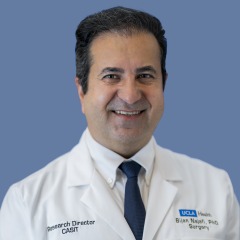
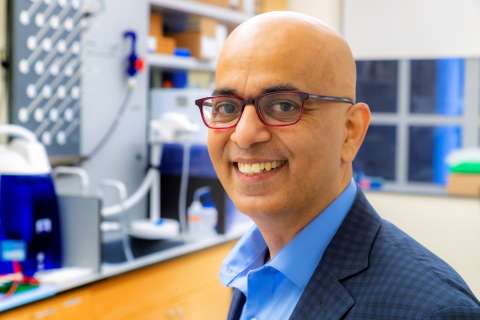
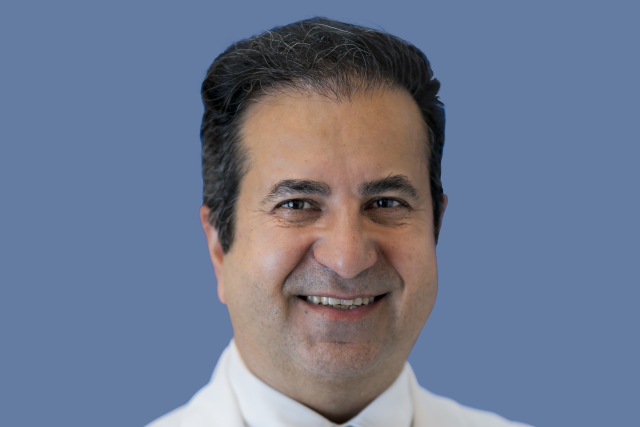
Bijan Najafi, professor of surgery and research director of the UCLA Center for Advanced Surgical and Interventional Technology (CASIT) at the David Geffen School of Medicine at UCLA, will serve as a principal investigator on the award alongside Ashkan Vaziri, founder and chief executive officer of biotechnology company BioSensics. BioSensics is the primary grant awardee while UCLA Health is a sub-awardee.
UCLA is leading the clinical study, conducted with co-investigator Linda Ercoli, director of UCLA Longevity Center and a clinical neuropsychologist specializing in cognitive aging.
Alzheimer’s disease is the most common cause of dementia, which affects an estimated 55 million people worldwide. That number is expected to top 75 million by 2030. The disease often begins to affect memory and thinking years before it is diagnosed, but catching it early is difficult. Current cognitive tests usually require a clinic visit and a trained specialist, and they capture only a snapshot of how someone is doing on a single day. There is also no widely available way to keep track of these changes as people go about their everyday lives.
“The way we walk and talk at the same time is a surprisingly good window into how the brain is working, and small changes can show up long before a diagnosis,” said Najafi. “If we can measure those changes at home with something as simple as a pendant, we can catch problems earlier, follow them more closely, and warn patients and families about risks like falls — all without adding another trip to the clinic.”