Kevin Kapler could feel the active lifestyle he loved slipping away.
An avid snowboarder, accomplished chef and professional rock drummer, Kapler’s back pain became so severe that the only place he felt comfortable was on the floor, he says, “in weird, contorted positions just to get the pressure off that one specific spot.”
It was too painful to stand up straight, so he moved through the world bent over like a storm-battered tree. It got to the point where just walking was painful. Hauling his musical gear from gig to gig was impossible. He stopped performing.
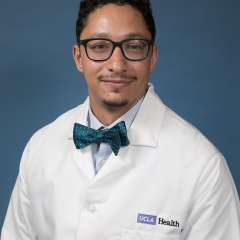
He knew he was going to need expert care, so he came to UCLA Health, where he met orthopedic spine specialist Will Sheppard, MD, the surgeon who would change his life.
A family history
Spinal degeneration runs in Kapler’s family. His mother has had seven spine surgeries, he says. But he still didn’t expect the condition to limit him so severely in his 30s.
Dr. Sheppard thought Kapler would be a good candidate for a microdiscectomy, a microscope-assisted, minimally invasive, targeted procedure that removes only the problematic part of a spinal disc causing nerve pain.
Kapler had never even so much as broken a bone before. And given his mom’s history, surgery was a frightening prospect.
“I really had a very close example of … how scary it is to actually have a procedure done on your spine,” he says.
But he trusted Dr. Sheppard and UCLA Health. There was just one problem: His insurance wouldn’t cover it. UCLA Health was out of his network.
Dr. Sheppard told him to wait a week or so and he would see what he could do.
Making surgery possible
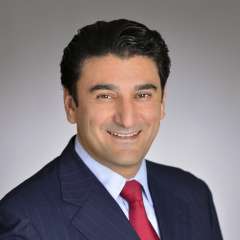
Teams working with Dr. Sheppard and UCLA Health Chief of Orthopedic Spine Surgery Nick Shamie, MD, went to work to secure Kapler’s insurance eligibility.
“I think it was in the area of 70 or 80 phone calls within a week, just pushing it through,” Kapler recalls.
Finally, he was given a date for surgery: Oct. 18, 2024.
But the night before, he was in such pain that he begged his friend to take him to the emergency department at Ronald Reagan UCLA Medical Center.
The operation
Minimally invasive spine surgery has improved significantly over the last decade, says Dr. Sheppard, who specializes in advanced spine care, including robotics-assisted and image-guided surgical techniques.
“Over the last 10 years, we’ve made incisions smaller and smaller with the advent of minimally invasive retractor systems, tubes, endoscopes,” he says. “The microscope really helps.”
In a microdiscectomy, he makes a half-inch incision – far smaller than the 2-inch incisions that used to be standard – and, with the aid of the microscope, carefully “plucks out” the disc material pressing on the nerve and causing pain.
“The easier we can get to that location, the less destruction we have to cause to the muscles in the area,” Dr. Sheppard says.
Still, it was overwhelming being wheeled into the operating room, Kapler says.
Then Dr. Sheppard asked “an awesome question” that helped put him at ease: What music would you like to listen to?
As a professional musician, Kapler has a habit of dissecting everything he hears, “breaking it down and learning it as if one day I’m going to play it.”
But there was one band he’d been listening to just for enjoyment: electronic dance trio Rufus Du Sol.
“I remember he puts on Rufus Du Sol, and everybody kind of starts getting their game faces on,” Kapler says. “The anesthesiologist was like, ‘All right, time for you to go to sleep and let us do our work.’”
A fresh start
Less than an hour after awakening from the anesthesia, Kapler was encouraged to get out of bed and try walking a bit.
“I stood up and I went past the point of straightness that I could have gone in the last year and a half,” he says. “I stood straight up and started taking steps and felt no pain.
“It literally is magic, as far as I’m concerned.”
Though he felt better instantly, Kapler’s complete recovery would take months. He wasn’t allowed to bend, twist or lift anything heavy for six weeks; then he began physical therapy.
When he started performing again, he called Dr. Sheppard to make sure it was OK.
“He was always checking in and not pushing and doing exactly what we recommend. He was the perfect patient,” Dr. Sheppard says. “And I think the combination of a really good surgery and a perfect patient leads to a great outcome.
“When you have something like this, it really keeps you going. It motivates you to do better for the next one and the next one and the next one, maybe make the incision smaller, the dissection even smaller, and to really innovate in the field.”
A once-in-a-lifetime gig
These days, Kapler is back to doing everything he loves. He hikes at least four days a week and performs all over the globe. He’s back to snowboarding and playing golf. He remains mindful of his spine, so he stretches every day.
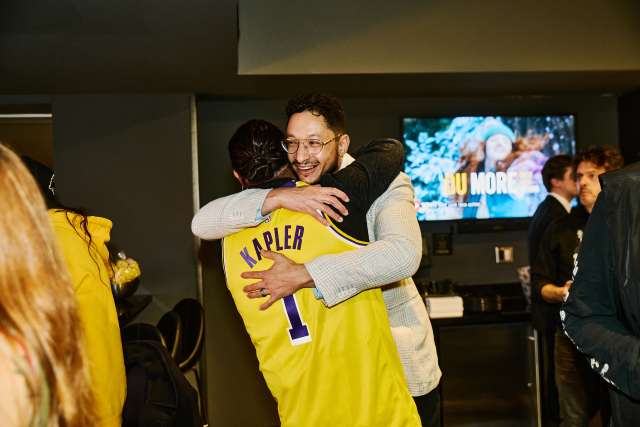
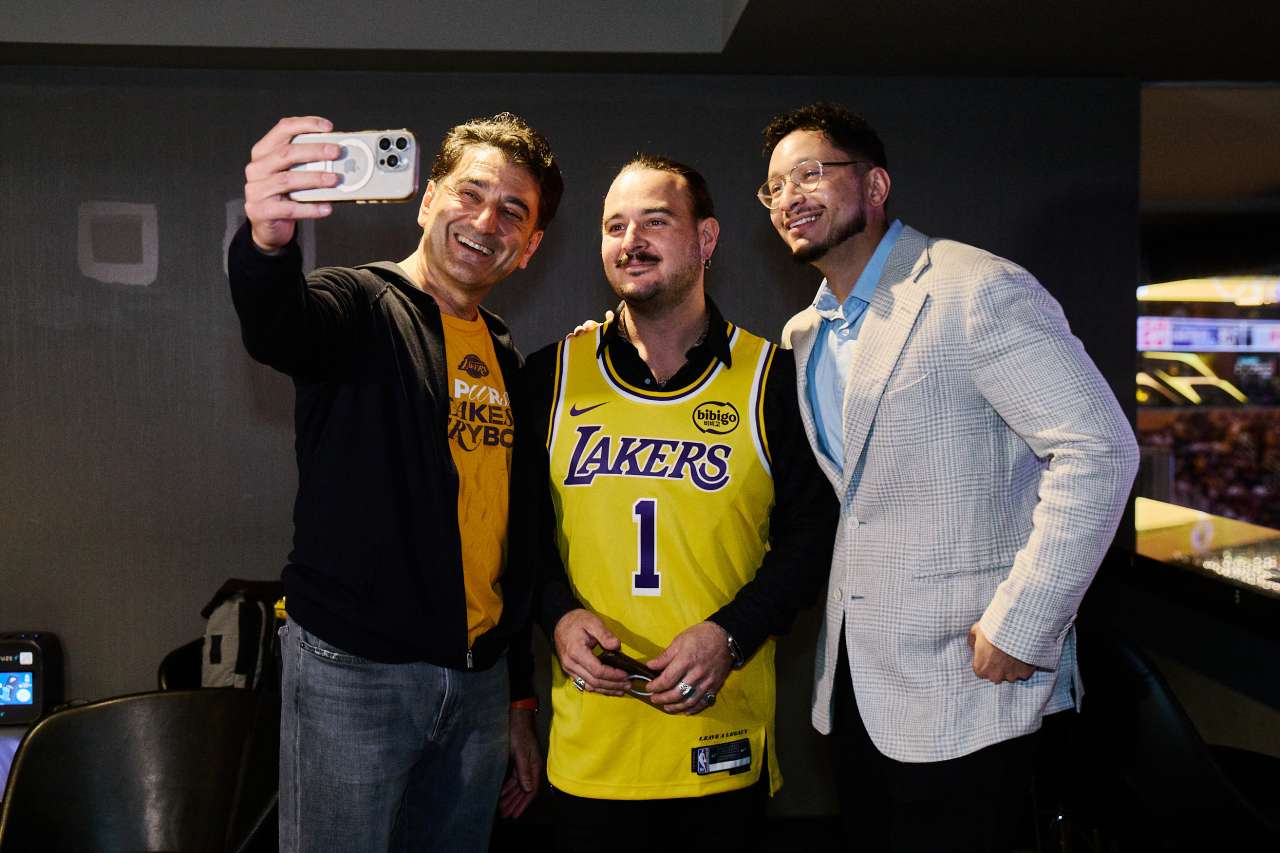
To celebrate the one-year anniversary of his surgery, Kapler got a chance to do something exceptional: He sat in with the house band during a recent Los Angeles Lakers game.
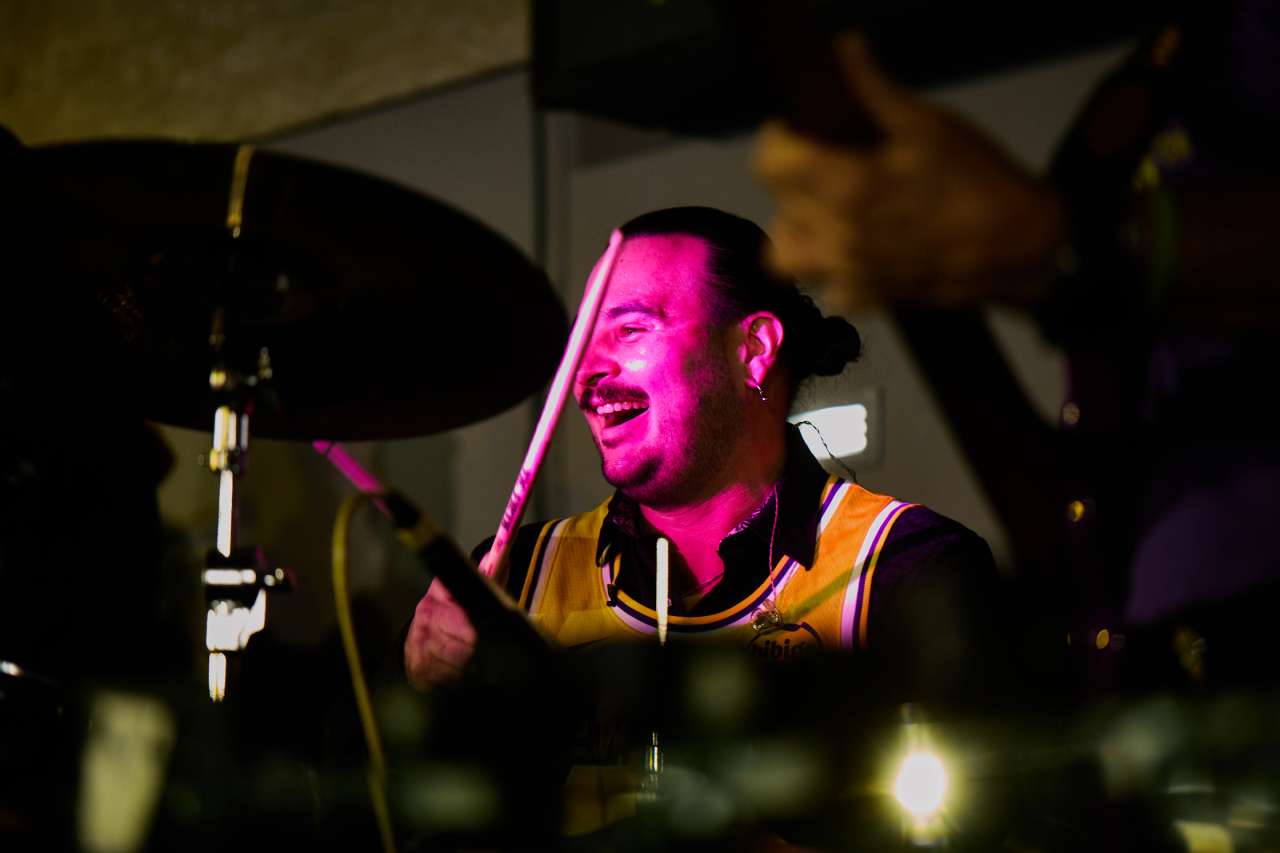
Kapler and his medical team were honored in December as part of UCLA Health’s Laker for a Day program. During halftime, the jumbotron showed photos of Kapler and his family, then a camera panned up to the house band, with Kapler on drums.
“I was getting texts from people I haven’t talked to in like 10 years that just happened to be at the Laker game, and they’re like, ‘Dude, what the hell?’” Kapler says with a grin. “I’m like, ‘It’s a long story.’”
And one with a happy ending. Playing drums for a full stadium was “Dr. Sheppard’s work on display right there,” Kapler says.
“I’m so very thankful to be able to share my passion and showcase the reason why Dr. Sheppard did what he did,” Kapler says. “They literally gave me my life back.”