
Gastrointestinal Cancers
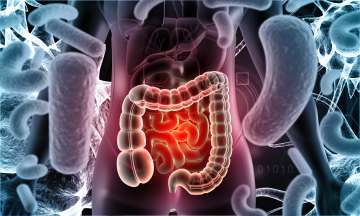
Gastrointestinal malignancies represent a leading cause of cancer-associated morbidity and mortality worldwide. These cancers are increasingly recognized as complex, multifactorial diseases arising from the convergence of host genetic susceptibility, chronic mucosal inflammation, dietary exposures, and environmental perturbations. Accumulating literature implicates the intestinal microbiome as a critical modifier of carcinogenesis, with studies demonstrating reproducible alterations in microbial composition, metabolic capacity, and spatial organization in patients with various cancers. Experimental models further indicate that specific microbial taxa and their metabolites can modulate epithelial transformation, genomic instability, antitumor immunity, and therapeutic responsiveness, collectively suggesting a contributory role for the microbiome across multiple stages of tumor initiation and progression.
The gastrointestinal cancer research program of the Goodman-Luskin Microbiome Center integrates human cohort studies, mechanistic animal models, and translational investigations to identify microbial determinants that influence the development, progression, and treatment response of gastrointestinal cancers. Ongoing efforts focus on defining microbial and metabolic signatures that precede malignant transformation, elucidating diet–microbiome interactions that shape carcinogenic versus protective mucosal environments, and characterizing microbiome–immune crosstalk within the tumor microenvironment. In particular, the Microbiome Vaccine Program (MVP), a joint research program of the Goodman-Luskin Microbiome Center and California Institute of Immunology and Immunotherapy, is advancing strategies to target tumor-associated pathobionts and leverage microbiome-informed immunomodulation to enhance cancer prevention and therapy. Collectively, these initiatives aim to translate microbiome-based insights into innovative diagnostic tools and therapeutic approaches, including microbial therapeutics and vaccine-based interventions, to improve outcomes for patients with gastrointestinal cancers.
Investigators
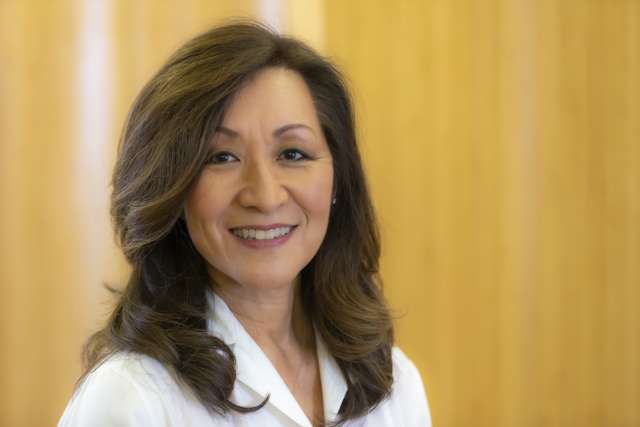
Lin Chang, MD
Vice Chief, Vatche and Tamar Manoukian Division of Digestive Diseases
Program Director, UCLA GI Fellowship Program
Director, Walter and Shirley Wang Center for Integrative Digestive Health
Co-Director, G. Oppenheimer Center for Neurobiology of Stress and Resilience
Director, Clinical Studies and Database Core, Goodman-Luskin Microbiome Center
Professor of Medicine
David Geffen School of Medicine at UCLA
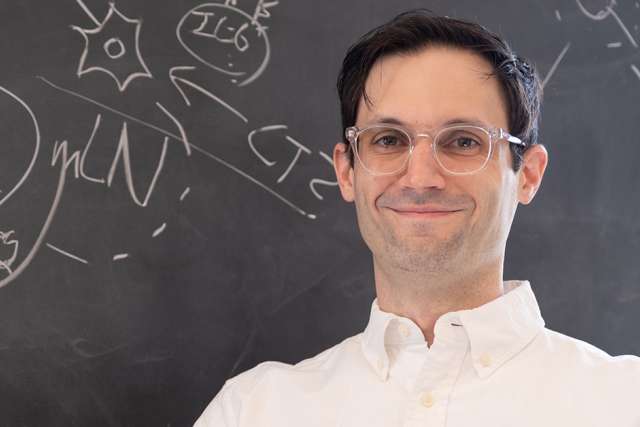
Gregory P. Donaldson, PhD
Director, Goodman-Luskin Microbiome Center Human Probiotic Core
Assistant Professor
Department of Microbiology, Immunology, & Molecular Genetics
Vatche & Tamar Manoukian Division of Digestive Diseases
California NanoSystems Institute
David Geffen School of Medicine at UCLA
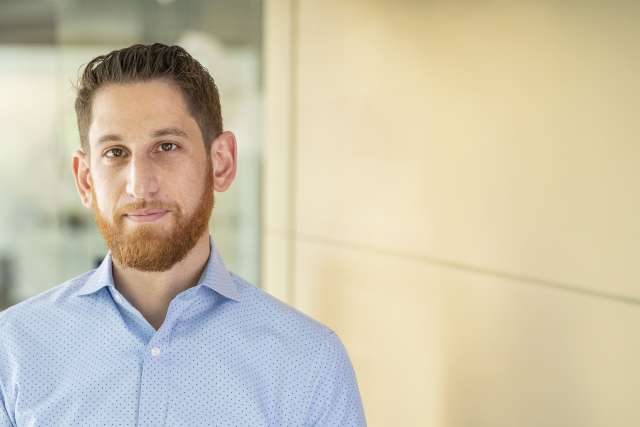
Jonathan D. Herman, MD, PhD
Assistant Professor-in-Residence
Division of Infectious Disease
David Geffen School of Medicine at UCLA
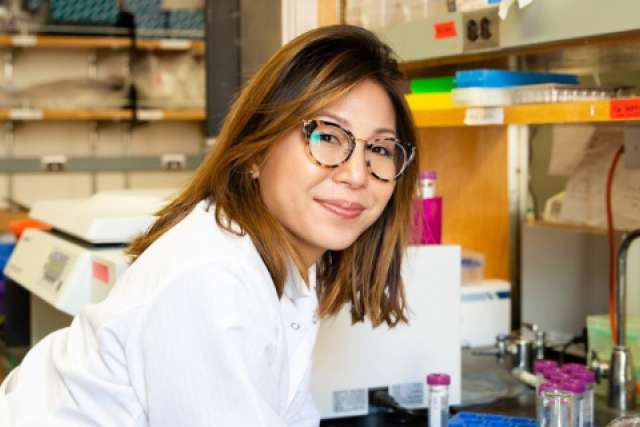
Elaine Y. Hsiao, PhD
Director, Goodman-Luskin Microbiome Center
Goodman-Luskin Endowed Chair in Microbiome Research
Associate Professor, Department of Integrative Biology & Physiology
Division of Life Sciences, UCLA College of Letters & Sciences
Vatche and Tamar Manoukian Division of Digestive Diseases, Department of Medicine
Department of Microbiology, Immunology, Molecular Genetics
David Geffen School of Medicine at UCLA
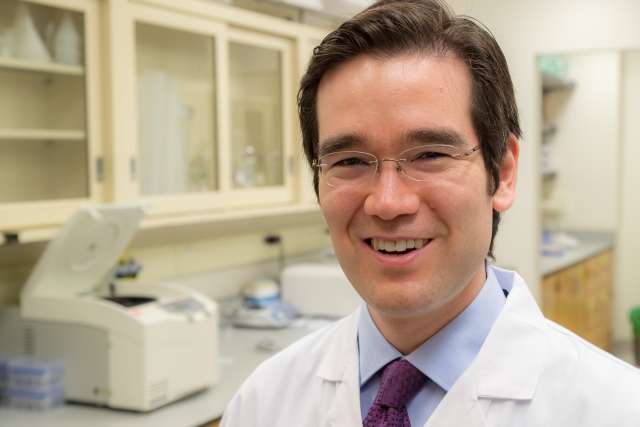
Jonathan P. Jacobs, MD, PhD
Co-Director, Goodman-Luskin Microbiome Center
Associate Professor-in-Residence
Vatche and Tamar Manoukian Division of Digestive Diseases
David Geffen School of Medicine at UCLA
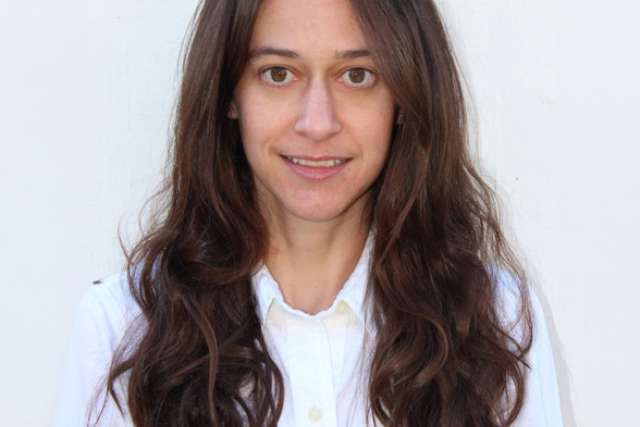
Elizabeth Marcus, MD
Associate Professor
Director, Fellowship Program
Department of Pediatrics
Division of Pediatric Gastroenterology, Hepatology, and Nutrition
David Geffen School of Medicine at UCLA
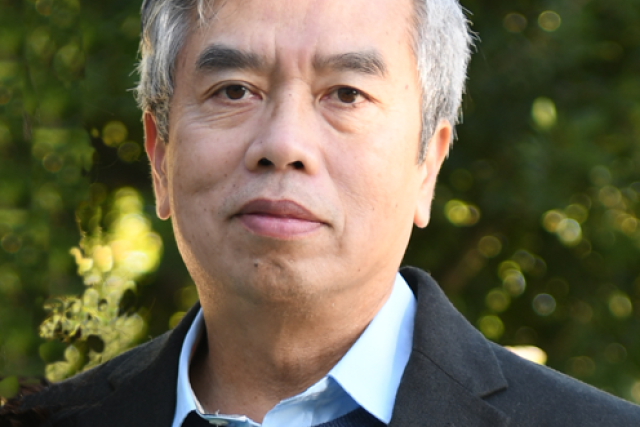
Hung Ton-That, PhD
Professor of Oral & Systemic Health Sciences
Director, Dentist-Scientist and Oral Health-Researcher Training Program
UCLA School of Dentistry
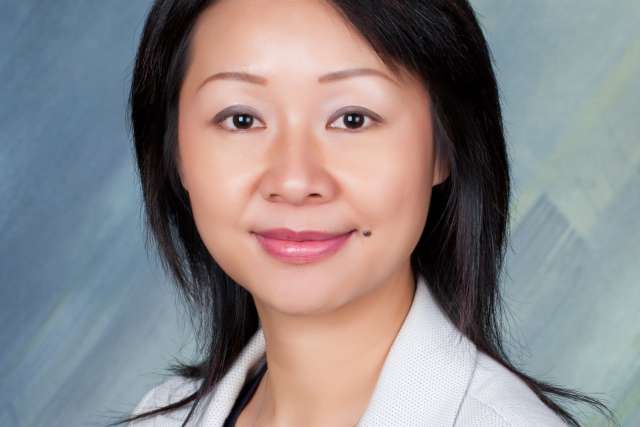
Lili Yang, PhD
Professor
Department of Microbiology, Immunology & Molecular Genetics
Department of Bioengineering
Eli & Edythe Broad Center of Regenerative Medicine and Stem Cell Research
Jonsson Comprehensive Cancer Center
Parker Institute for Cancer Immunotherapy
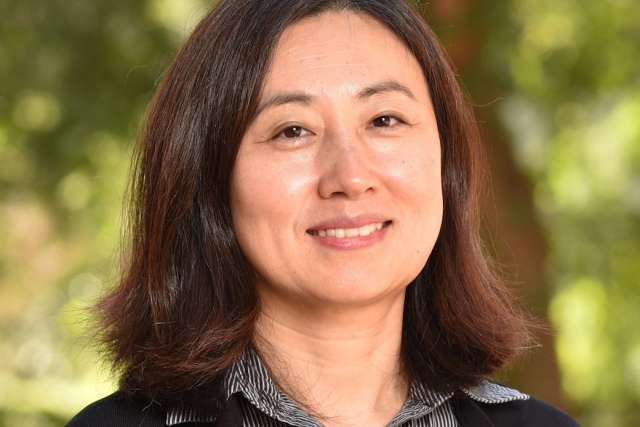
Xia Yang, PhD
Professor, Department of Integrative Biology and Physiology
Professor, Department of Molecular & Medical Pharmacology
Vice Chair, Molecular, Cellular, and Integrative Physiology (MCIP) PhD Interdepartmental Program
Vice Chair, Computational and Systems Biology (CaSB) Undergraduate Interdepartmental Program
University of California, Los Angeles
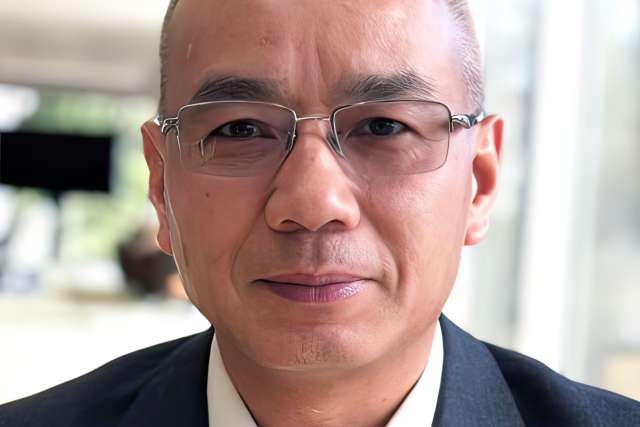
Z. Hong Zhou, PhD
Professor,Dept of Microbiology, Immunology & Molecluar Genetics
Founding Director, Electron Imaging Center for Nanomachines at the California Nanosystems Institute (CNSI)
College of Life Sciences at UCLA