
Digestive Diseases Research

More than 70 years of discovery, innovation and impact.
Our team
Our labs
Our centers

Gregory Donaldson, PhD, receives NIH Director’s New Innovator Award
Dr. Donaldson recently received the prestigious NIH Director's New Innovator Award, which provides funding to support exceptionally creative early-career investigators pursuing bold, high-impact research. His lab is investigating investigating the unconventional functions of Immunoglobulin A (IgA), an antibody that helps coordinate interactions between the immune system, beneficial bacteria, and the intestinal lining. By exploring how IgA shapes the gut microbiome and supports intestinal health, his team is seeking new insights that could ultimately inform strategies to prevent gastrointestinal disease.
$7.5M to study why irritable bowel syndrome may affect women more severely
A team of UCLA researchers has received a $7.5 million National Institutes of Health grant to renew a five-year research center focused on understanding why women with irritable bowel syndrome (IBS) often experience more severe symptoms and a greater burden of disease than men. The center is part of the NIH's Specialized Centers of Research Excellence (SCORE) on Sex Differences program and is funded by the National Institutes of Health Office of Research on Women's Health and the National Institute of Diabetes and Digestive and Kidney Diseases (NIDDK). The research is led by Lin Chang, MD, director of the Walter and Shirley Wang Center for Integrative Digestive Health; Elaine Y. Hsiao, PhD, director of the Goodman-Luskin Microbiome Center; and Emeran A. Mayer, MD, director of the Center for Neurobiology of Stress and Resilience.

$3M NIH grant to study how the brain's 'cleanup' system influences metabolism in aging
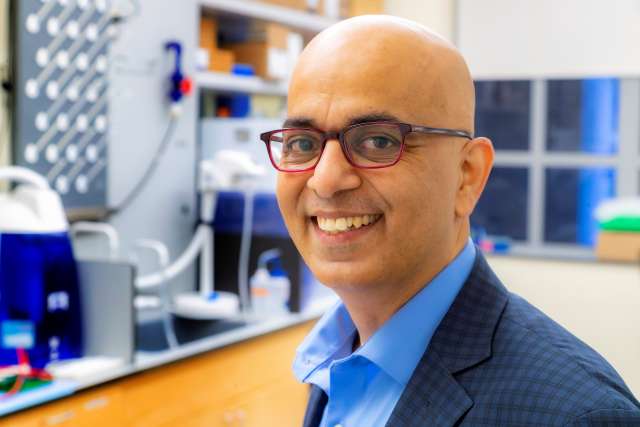
UCLA Health professor of medicine and the UCLA Comprehensive Liver Research Center director Dr. Rajat Singh has received a $3 million federal grant to investigate how aging affects a brain region that helps control metabolism, and whether reactivating a specific group of neurons could keep our metabolism healthier for longer.
Research news

$4M NIH grant to study why ulcerative colitis symptoms persist after inflammation subsides
In this new study funded by the National Institutes of Health, Drs. Lin Chang, UCLA, and Bruce Sands, Mount Sinai, will investigate if persistent symptoms are driven by ongoing gut inflammation or altered gut-brain signaling. To achieve this, the researchers will use a combination of brain imaging, wearable technology to measure autonomic nervous system function and will test whether non-invasive vagal nerve stimulation can improve symptoms.
$4M NIH grant to study probiotic treatment for obesity
$1.2M grant to investigate strains of Escherichia coli that promote obesity
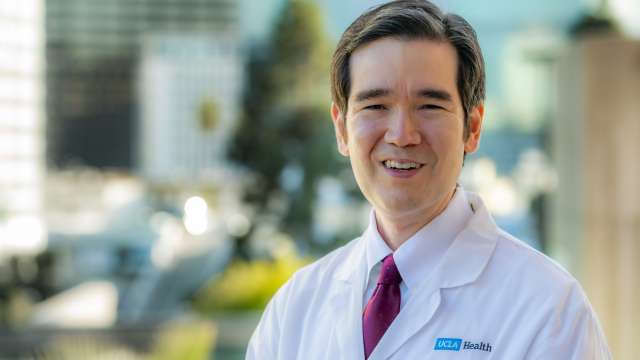
Dr. Jonathan P. Jacobs has received a VA Merit Review Award to investigate strains of Escherichia coli (E. coli) that may contribute to obesity. The study will isolate these bacterial strains from colon and small intestine tissue samples obtained from individuals with obesity and analyze their genomes and biological properties in laboratory cultures.

New Microbiome Vaccine Program aims to harness gut microbes and immune system against cancer-promoting bacteria
UCLA has launched the Microbiome Vaccine Program (MVP), an innovative collaboration between the Goodman-Luskin Microbiome Center and the California Institute for Immunology and Immunotherapy (CIII) focused on developing new ways to prevent and treat cancers linked to disease-causing gut bacteria. The program brings together experts in microbiology, immunology, gastroenterology, and translational science to explore how the gut microbiome and immune system can be harnessed to combat cancer.
UCLA study uncovered a potential mechanism explaining why statins may have protective effects against liver cancer
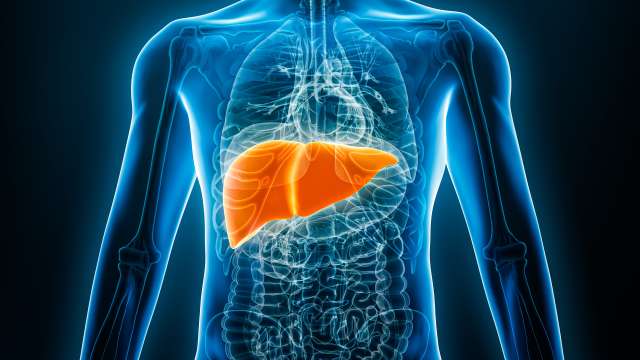
“Our study provides several new insights into hepatocellular carcinoma, including a more detailed understanding of the different populations of hepatic stellate cells, which play a key role in the development of liver fibrosis and cirrhosis,” said senior author of the study Dr. Jihane Benhammou, associate professor of medicine. We also provide new insight into how statins may have chemopreventive effects through pathways that are independent of their cholesterol-lowering effects.”

Kids with autism show altered gut microbiome-brain interactions
A collaborative study by scientists from UCLA and USC may have unlocked new information about autism spectrum disorder (ASD) and the gut microbiome. Changes in the relative amounts of such metabolites may interfere with the signaling between the gut and brain, influencing emotions and associated behaviors.

Chronic stress and obesity work together to accelerate pancreatic cancer development and growth
A new study led by UCLA investigators suggests that chronic stress and an unhealthy diet may work together to fuel the early development of pancreatic cancer, shedding light on how lifestyle factors contribute to one of the deadliest malignancies.

One in four transplant hepatologists shows signs of unhealthy alcohol use
Dr. Arpan A. Patel said the findings underscore the need to create systemic support structures to encourage hepatologists to reduce their alcohol intake. Among the recommendations in the study: normalizing access to physician wellness and treatment programs; confidential access to counseling and alcohol use disorder treatments; and reducing stigma about attending state physician health wellness programs, which Patel said have shown success.