
Summer 2026 Newsletter
One of the things to love about summer in academics is that it’s a season of renewal. Our academic year begins on July 1, so every summer brings new students, trainees, and researchers. It’s a chance to welcome a new generation and help them find their place.
Two experiences earlier this summer captured that spirit perfectly.
Watching The Mandalorian, one line stayed with me long after the credits rolled: “The old protect the young. Then the young protect the old. This is the way.” It captures, in just a few words, one of life’s most enduring truths that each generation cares for the next until, one day, those roles are beautifully reversed. It’s about life, but it also feels like the heart of academic medicine.
The second was a jazz concert celebrating Miles Davis 100th birthday. Legendary musicians performed his music alongside artists just beginning their careers. The music was incredible, but what stayed with me wasn’t the performance — it was the mentorship. During the finale, a young pianist stood up to give his seat back to a renowned musician. Instead, the elder musician gently put a hand on his shoulder and encouraged him to keep playing. He knew it was the younger artist’s moment, and he took genuine joy in watching him shine.
That’s what summer feels like to me.
In geriatrics, we have both the privilege and the responsibility to help the next generation, whether they’re undergraduates, medical students, fellows, or early-career researchers. We share what we’ve learned, create opportunities, and give them the confidence to grow. Right now, many of them just need a little encouragement to get started. Before long, they’ll be making discoveries, caring for patients, and teaching the generation after them. And then one day, they’ll probably be taking care of us.
My grandparents had a quote on their wall that I’ve never forgotten: We give our children two things—roots and wings. That is our work: grounding the next generation in what we’ve learned, then giving them the chance to soar.
A Vision For Expansion
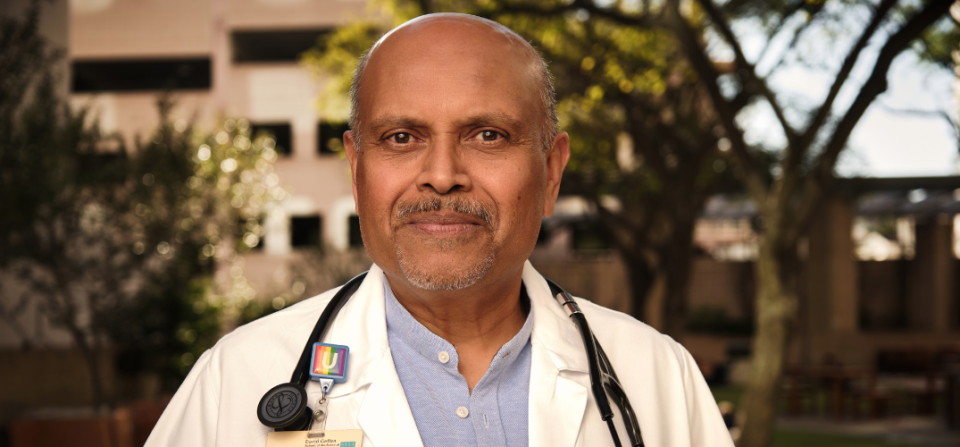
Dr. Arun Karlamangla, Chief of the Division of Geriatrics, believes exceptional patient care begins with exceptional people. Guided by this vision, he is expanding the Division’s ability to care for patients and their families.
As a clinician and researcher himself, Dr. Karlamangla sees that aging impacts not just the body, but the mind. Changes in cognitive abilities are common in our older years and are a source of anxiety. One of the most common reasons older adults seek the advice of a geriatrician is for problems with memory that they or family members have noticed. A significant number of these cases require a more comprehensive evaluation by an experienced neuropsychologist.
Dr. Karlamangla has thoughtfully developed two new positions for the UCLA Geriatrics clinical team -- a neuropsychologist, whose expertise will be transformative in our ability to meet this need quickly and efficiently, and a dedicated geriatric psychiatrist to manage complex psychiatric conditions.
These extraordinary additions will be made possible because visionary philanthropy has partnered with visionary leadership. The generosity of the Innovation in Geriatric Medicine Fund, combined with Dr. Arun Karlamangla’s foresight and steadfast commitment to advancing UCLA Geriatrics, is making this next chapter of patient care a reality. Soon, these remarkable clinicians will begin caring for our patients, and we couldn’t be more grateful for the difference they’ll make.
A New Generation Leads
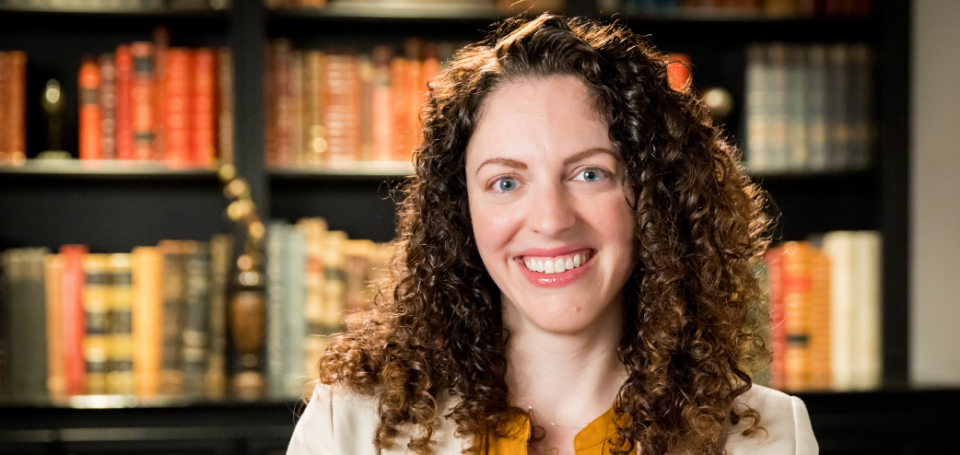
There are few things more rewarding for a teacher than watching a student grow into someone you genuinely admire. That’s exactly how I feel about Dr. Catherine Lindsay.
Having the privilege of working with Catherine for years, seeing her now lead UCLA’s Alzheimer’s and Dementia Care Program is meaningful. This role suits her so naturally, and it’s a joy to watch her make it her own.
What I love most is that she never stops asking how things can be better for patients and their families. She brings the mind of an outstanding physician, but just as importantly, she brings a remarkable amount of heart. She understands that no one enters this program because life is easy, and she’s always looking for ways to make it a little more manageable, a little more hopeful, and a little more human.
When Catherine shares an idea or a principle we talked about years ago, it always makes me smile. I get to see those ideas carried forward in her voice, shaped by her wisdom and experience. That’s the best part of teaching. You always hope something stays with a mentee, and then one day you realize it did.
To think I may have played even a small part in Catherine’s journey as a physician, a teacher, and now a leader, means more to me than I can say. Every patient she comforts, every family she helps carry an impossible burden, and every young physician she inspires will become part of a ripple that reaches far beyond any one of us. That’s how real change is carried from generation to generation.
Embracing The Years
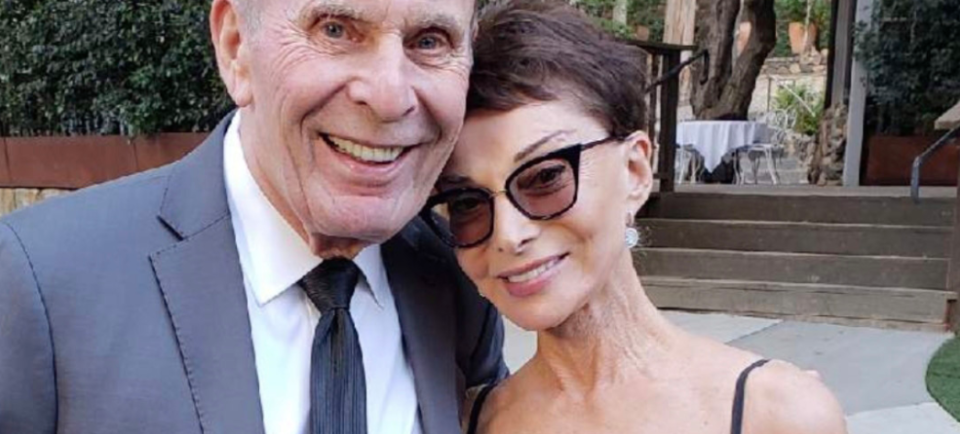
I’ve had the privilege of knowing a patient named Ava for more than twenty years. Our connection began when I cared for her mother-in-law. The woman was frail, but deeply dignified, and her family helped her live her final chapter with grace.
Years later, I met Ava again. This time as her husband’s physician. His journey echoed his mother’s in many ways, and Ava became his steady advocate. More than anything, she wanted to make sure that no matter what illness took away, he maintained his dignity.
After her husband died, Ava faced a new chapter she never expected. She was grieving the person she loved while also confronting health challenges of her own. She felt broken and broken-hearted. It would have been understandable to retreat. Instead, she chose differently.
Ava didn’t want medicine, per se. She needed something more. She got homework: stay engaged with life. Ava considered this a promise to me and to herself. She made thoughtful choices about how she wanted to live-- staying connected to friends and her community and investing in her health. Ava remained curious and open to what life could still offer. She didn’t pretend life wasn’t hard. But she refused to let hardship define her.
That resilience didn’t simply materialize. Ava had survived profound loss long before I met her. Much of her family perished in the Holocaust, yet she carried forward a deep sense of identity and belonging. When she needed help, she wasn’t afraid to lean on the community she had spent a lifetime building.
Ava reminds me that aging isn’t about loss. It’s really about adaptation and rediscovery. We can’t always choose the hardships that come our way, but we can choose how we meet them. Even in grief, even in illness, there is still room to grow, to connect, and to find joy. There is hope, not because life becomes easier, but because people are often far stronger than they realize.
~ Brandon