
Catching Alzheimer’s early — with a simple blood test
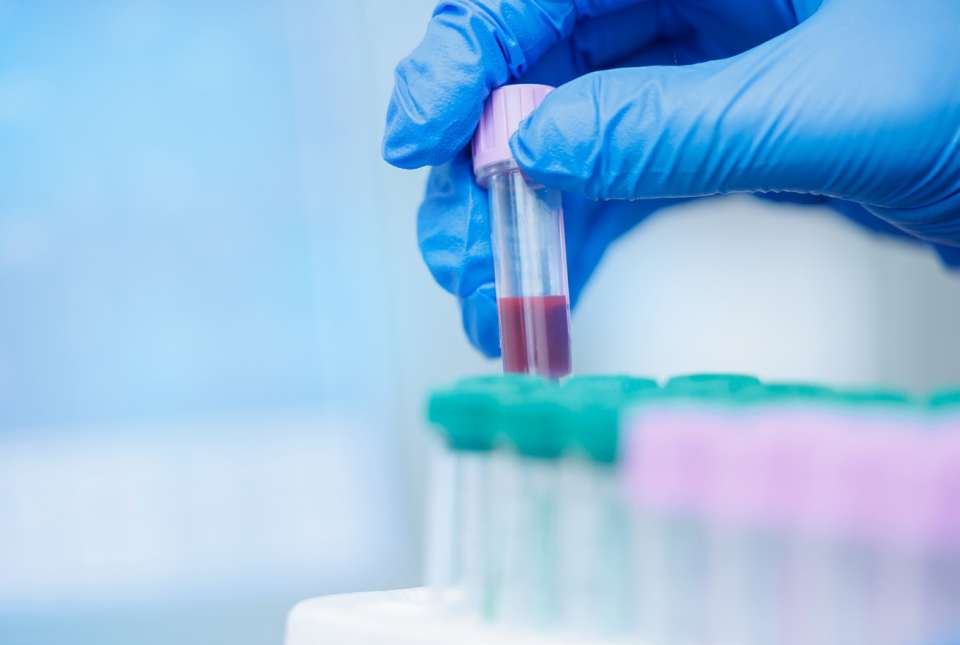
What if checking your brain health were as simple as checking your cholesterol?
UCLA Health researchers led by Jason Hinman, MD, PhD, are developing a blood test that could detect biomarkers, or specific molecular signals, to flag who’s at risk for Alzheimer’s disease and other dementias — sometimes years before symptoms appear.
“There’s a revolution in Alzheimer’s,” said Dr. Hinman, director of the Mary S. Easton Center for Alzheimer’s Research and Care at UCLA. “The presence of clear biomarkers for the disease has allowed us to streamline how we identify patients who might be candidates for treatment.”
And because blood tests are noninvasive and don’t require specialized facilities, they could reach patients who might otherwise go undiagnosed because of where they live or the care available to them.
The challenge is knowing which patients need this closer look. For Dr. Hinman, the answer begins not in the brain but in the heart.
The warning signs hidden in your blood
To function well, the brain depends on healthy blood vessels. When those vessels are damaged, the effects on memory and cognition can be significant. Roughly one-third of all dementia cases can be linked to treatable cardiovascular conditions such as heart disease, high blood pressure, and obesity.
But not every patient with these conditions develops Alzheimer’s or dementia, and doctors haven’t had a reliable way to tell who’s most vulnerable.
“My office is full of folks who have hypertension and diabetes, but how do I figure out who is most at risk for Alzheimer’s?” Dr. Hinman asked. “Are there specific indicators that you, in particular, are at high risk of having your hypertension impact your brain?”
His research points to an answer hiding in plain sight: biomarkers already circulating in the blood.
A brain test you could take at home
While advanced brain scans remain the gold standard for diagnosing Alzheimer’s, their limitations are real. “We need to recognize we’re not reaching everybody with imaging technologies, and probably never can, because there are only so many scanners and technicians,” Dr. Hinman said.
Blood-based tests could help change that. More affordable and widely accessible, they could be used by patients in underserved populations and communities far from major medical centers — the very patients who have been most likely to go undiagnosed.
The Hinman Lab has already developed one at-home test that flags a family of biomarkers associated with an increased risk of both stroke and cognitive disease. Researchers are now working to bring that same precision to a separate biomarker they’ve identified, which is elevated in patients whose blood vessel damage has begun to affect the brain — often years before memory loss begins.
“The addition of a blood-based biomarker could allow a provider to distinguish the patient that has Alzheimer’s-predominant dementia versus a significant vascular contribution,” Dr. Hinman said. “Right now, it’s kind of the clinician’s best guess.”
Earlier detection, better care
As treatments for Alzheimer’s continue to emerge, getting the right test to the right patient at the right time matters more than ever. A blood-based test that clarifies the underlying cause of a patient’s cognitive decline could help doctors determine which patients are candidates for new therapies, how quickly to act, and what level of care is most appropriate.
“I think we’re really reaching a tipping point, where there is increased interest in biometrics and people trying to monitor their health in an interconnected world,” Dr. Hinman said. He envisions a future where people can check their brain health “the way you pop in to pick up a coffee” — at a pharmacy, a drugstore, or even at home.
“We need to think of creative ways to bring brain health to everybody, so that we can help those who are most at risk,” Dr. Hinman said. “That’s the future I see.”
Support groundbreaking neurological research
Donations to the UCLA Department of Neurology help fund the research that’s bringing blood-based biomarkers from the lab to the clinic, moving personalized brain health from a vision to a reality for patients at risk of Alzheimer's and other dementias. Discover different ways you can give.