
UCLA Neurology Lab Profiles
Meet the brains behind the UCLA Department of Neurology!
Here we will spotlight the various faculty research labs that make up our department. You will hear directly from researchers about their novel work, cutting-edge methodology, and how their discoveries are being used to help those suffering from neurological disease.
Lab Profile Videos
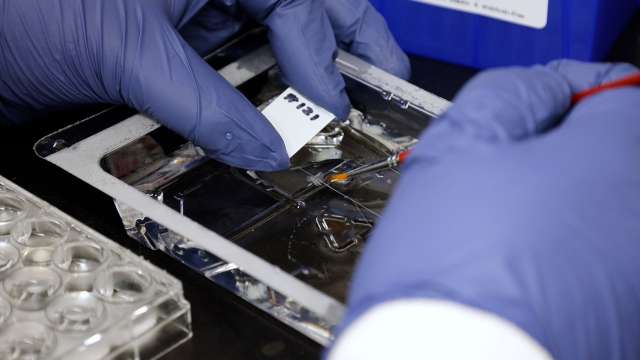
Cortical Circuit Research
Dr. William Zeiger's lab works to understand how cortical circuits are involved in neurological diseases, such as stroke and Parkinson's disease. The cortex is the outermost part of the brain, responsible for consciousness, thought, emotion, reasoning, language and memory.
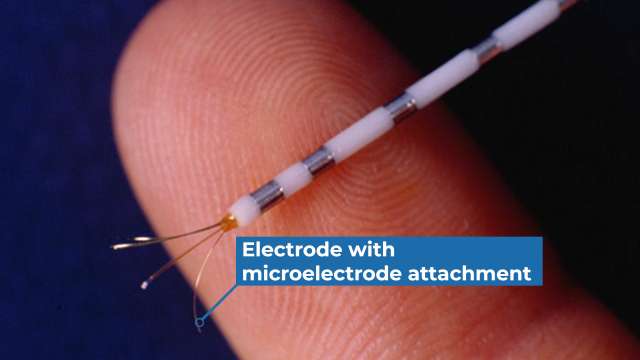
Epilepsy Research
Dr. Richard Staba's lab works to improve the diagnosis and treatment of epilepsy, to identify biomarkers of the development of epilepsy, and to use those biomarkers to find interventions to modify or prevent the development of epilepsy.
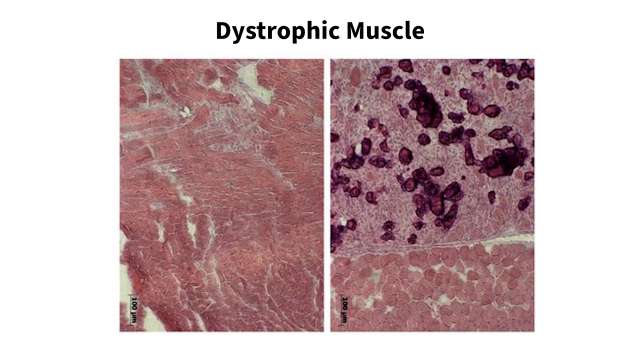
Neuromuscular Research
Dr. Melissa Spencer's lab identifies therapies for neuromuscular disorders. These are disorders that affect either muscles or nerves. The lab is specifically focused on muscular dystrophies and gene therapies.
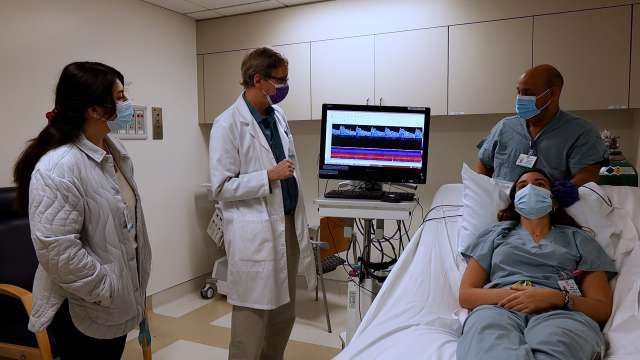
Stroke Research
Dr. Jeffrey Saver's lab works to improve the prevention, recovery and acute treatment of stroke, and eventually cure stroke. Dr. Saver conducts his research through clinical trials, MRI and CT imaging, and accelerating treatment with the Mobile Stroke Unit.
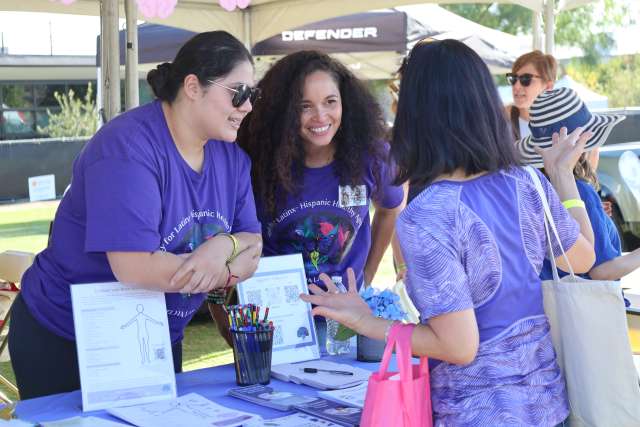
Alzheimer's Research in Latinx-Hispanic Communities
Dr. Mirella Díaz-Santos and the Equity for Latinx-Hispanic Healthy Aging Lab integrates the community as partners to co-define priorities and develop multi-level strategies that improve access to Alzheimer’s care and clinical trials.
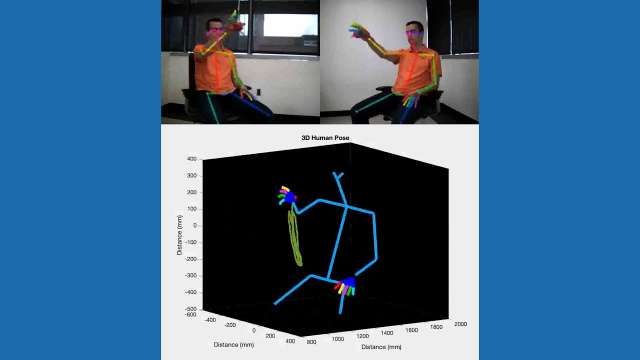
Motor Control Research
Dr. Ahmet Arac's lab studies movement and motor control. This is important for developing rehabilitative or medicinal therapeutics for neurological diseases such as stroke, Parkinson's disease, and multiple sclerosis.
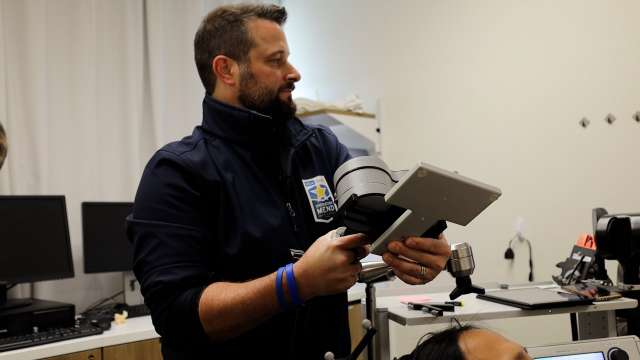
Noninvasive Brain Stimulation Research
Dr. Kevin Bickart is an expert in traumatic brain injury. In a recently funded study from the Department of Defense, Dr. Bickart will determine how noninvasive brain stimulation may improve chronic post-concussion symptoms in adults
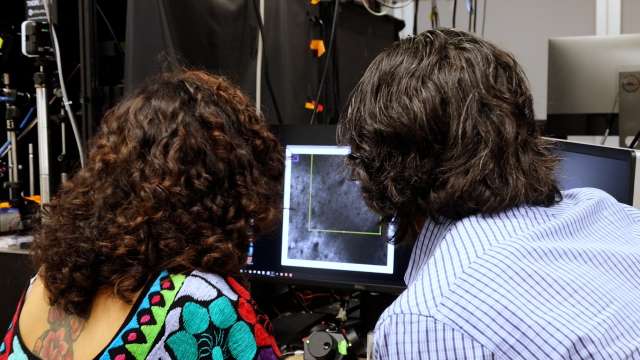
Brain Development Research
Dr. Portera-Cailliau's lab is interested in finding new and better treatments for neurodevelopmental disorders, such as autism, schizophrenia and epilepsy.
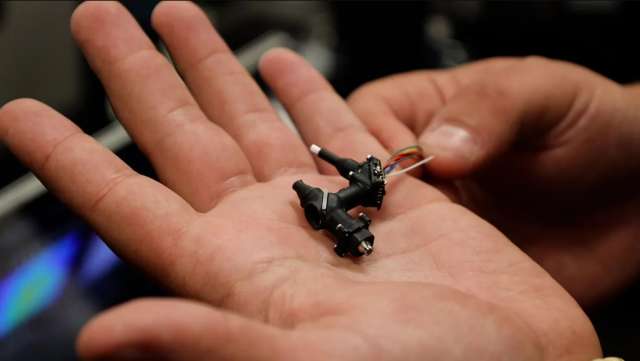
Autism and Epilepsy Research
Dr. Peyman Golshani's lab works to find better treatments for autism and epilepsy. Dr. Golshani uses animal models of these disorders and cutting-edge technology to look at the brain activity patterns.
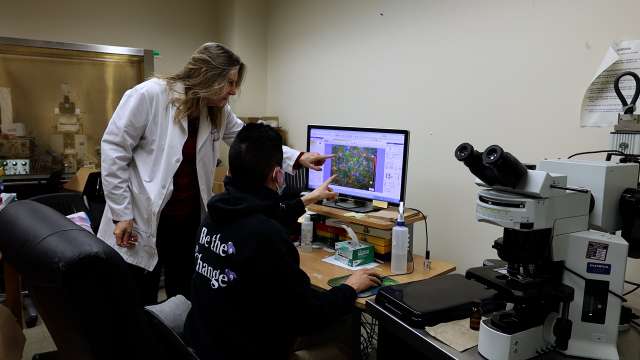
Multiple Sclerosis Research
Dr. Rhonda Voskuhl does translational research focused on finding new treatments for neurodegenerative diseases as well as brain atrophy and cogntive decline in otherwise healthy individuals during aging. She leverages sex differences in the effect of being female or male on neurologic disabilities to discover treatments optimized for women and men.
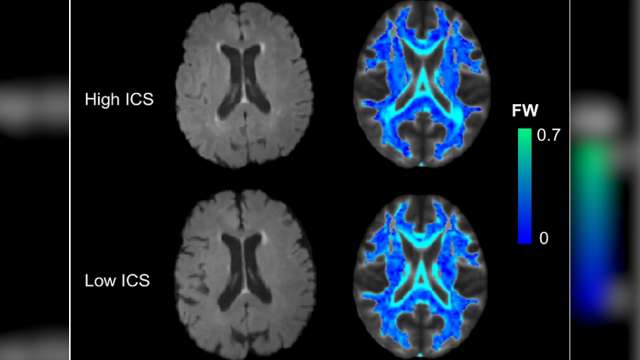
Stroke and Dementia Research
Dr. Jason Hinman's lab is focused on identifying the molecular pathways that interface the two most common neurologic disorders: stroke and dementia. The goal is to develop new diagnostic tools to better recognize patients who are at risk for post-stroke cognitive impairment and dementia, and develop treatments based on discoveries they've made in the lab.
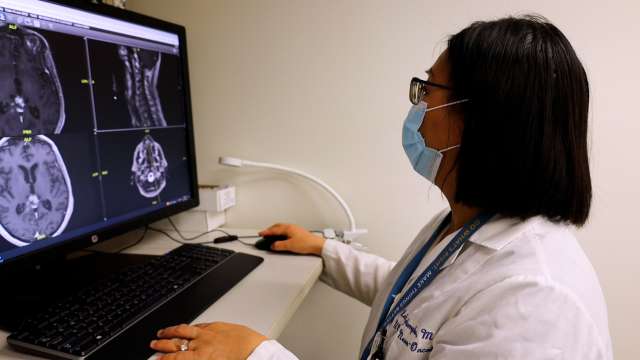
Brain Tumor Research
Dr. P. Leia Nghiemphu is a specialist who sees patients with brain or spine tumors, with a subspecialty interest in neurofibromatosis and schwannomatosis.
Brain Repair Research
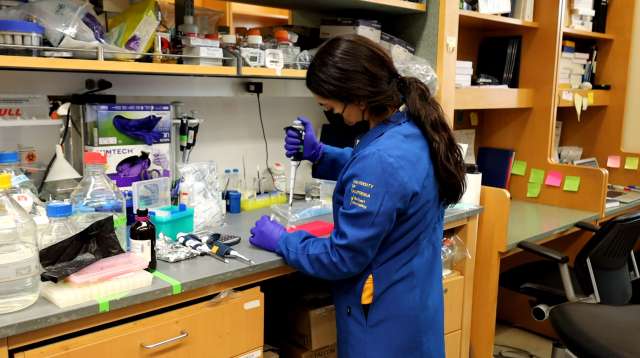
Dr. S. Thomas Carmichael's lab focuses on stroke and neurorehabilitation, and how the brain repairs from injury.
Brain Development Research
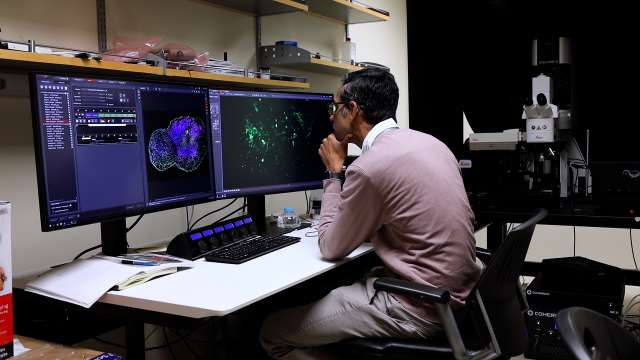
Dr. Ranmal Samarasinghe’s lab seeks to understand the mechanisms of neural network formation and dysfunction in epilepsy and autism.
Parkinson's Disease Research
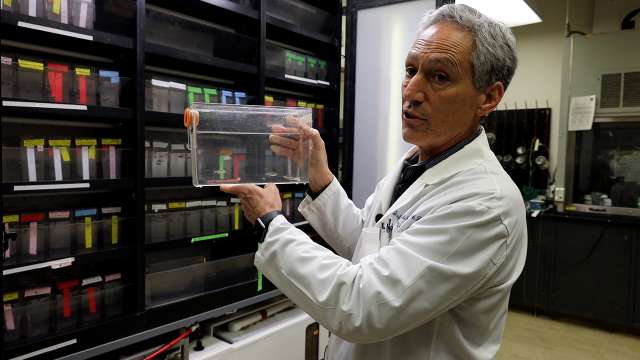
Dr. Jeff Bronstein's lab studies the cause of Parkinson's Disease using cell models and a newly developed zebrafish model.
Autism Research
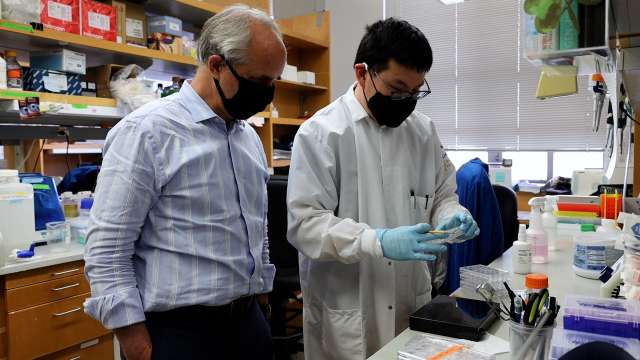
Dr. Daniel Geschwind's lab work to identify genes that increase risk for autism and neurodegenerative dementia.