
Center for Inflammatory Bowel Diseases
Research that improves the lives of people with IBD
Advances in immunology continue to transform our understanding of inflammatory bowel disease (IBD), revealing the complex interactions between the immune system, genetics, the gut microbiome, and the intestinal environment. These discoveries are driving new approaches to prevention, diagnosis, and treatment for Crohn's disease and ulcerative colitis.
Established in 2007, the UCLA Health Inflammatory Bowel Disease Research Center brings together leading basic, translational, and clinical investigators to accelerate scientific discovery and innovation. Through collaboration across UCLA and with the California Institute for Immunology and Immunotherapy at UCLA, our researchers are advancing the development of novel therapies, technologies, and precision medicine approaches for people living with IBD. This work is supported in part by the National Institutes of Health (NIH), the American College of Gastroenterology (ACG), and the Crohn's & Colitis Foundation.
Importantly, discoveries made in our laboratories help inform the care we provide, allowing patients to benefit from the latest advances in IBD research and treatment.
Research collaborations and clinical trials

Corrona Inflammatory Bowel Disease Registry
The objective of the Corrona Inflammatory Bowel Diseases (IBD) Registry is to create a national cohort of patients with Crohn's disease (CD), ulcerative colitis (UC) and indeterminate colitis (IC). Data collected will be used to better characterize the natural history of the disease and to extensively evaluate the effectiveness and safety of medications approved for the treatment of IBD. Corrona IBD Registry | Enroll in the Register

Clinical trials
A primary motivation in our efforts to perform biomedical and clinical research has been to advance knowledge that can be used to improve the care we deliver and the quality of our patients’ lives.
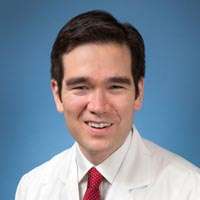
Jacobs Lab
Dr. Jonathan P. Jacobs’ research explores the role of intestinal microbes in the development of inflammatory bowel disease (IBD), obesity, and other disorders. This involves a translational approach that includes detailed characterization of patients’ microbiome by sequencing and metabolomics as well as modeling of the effect of disease-associated human microbial communities in humanized gnotobiotic mice. Jacobs Lab

Koon Lab
Hon Wai Koon, PhD, leads a research team to discover novel diagnostic biomarkers for indicating IBD disease activity and risk of intestinal strictures. His team also finds new targets in IBD, C. difficile infection, obesity, diabetes and colon cancer for developing new therapies. His laboratory has a biobank of clinical samples and data, a collection of animal models with various diseases, and diseased primary cell, organoid and fresh tissue platforms for research. Dr. Koon’s laboratory is also a center for multidisciplinary research training and collaborations. Koon Lab

Limketkai Lab
Berkeley N. Limketkai, MD, PhD, leads a clinical/translational research laboratory whose mission is the generation, experimentation, and application of knowledge that can help shape and improve future care of our patients. Our key research themes -- individually and in combination -- include the domains of inflammatory bowel diseases (IBD), nutrition and biomedical innovation. Limketkai Lab
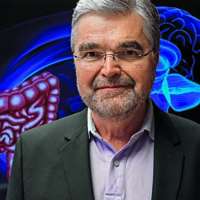
G. Oppenheimer Center for Neurobiology of Stress and Resilience
Emeran A. Mayer, MD, and his colleagues are conducting pioneering studies exploring the interactions between IBD and the nervous system, amid mounting interest in the role of brain alterations in IBD pathogenesis. G. Oppenheimer Center for Neurobiology of Stress and Resilience
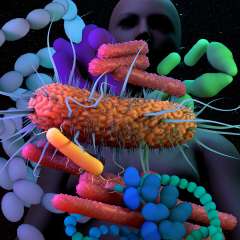
Goodman-Luskin Microbiome Center
A wide-range of human and preclinical studies are taking place to identify gut microbes and their metabolites that drive the development and progression of IBD and characterize their interactions with the intestinal immune system. Specific areas of focus include understanding microbial changes that preceded the onset of IBD, investigating dietary effects on the IBD-associated microbiome and intestinal inflammation, and defining brain-gut pathways in IBD that mediate the link between stress and disease flares. Goodman-Luskin Microbiome Center