Kandace Fung

Kandace Fung

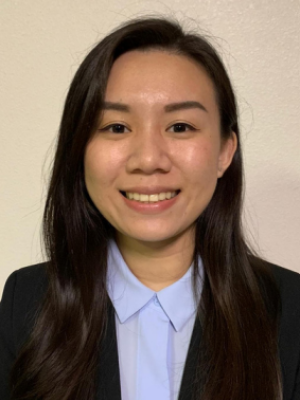
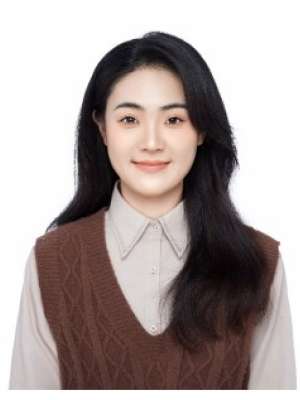
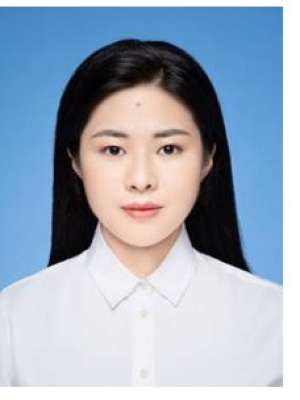
Kandace Fung grew up in Corona, California, in the Inland Empire, with her parents, sister, and grandparents. She grew up with integrative medicine, watching her grandma apply Pak Fah Yeow on her temples for headaches and eating mung bean porridge in the summer for its cooling effects. At Claremont Mckenna College, Kandace became closely involved in community building and student activism, strengthening her Asian American identity and realizing the socioeconomic, educational, and health inequities her communities face. She advocated for increased institutional support for students of color and fostered community building and healing, which furthered her interest in becoming a physician for under-resourced communities. Throughout college and while a medical student in the Charles R. Drew/UCLA program, she has continued to explore integrative medicine through coursework and student organizations, such as the Chinese Medical Interest Group Group, and seeking opportunities to practice culturally inclusive patient care in the clinical setting. As a medical school student, Kandace seeks to be intentional in her education and community engagement, learning to be a physician healer who practices with love and compassion. She is excited to be selected as a Tang Scholar to reconnect with her culture through a deeper understanding of integrative medicine and collaboration with her communities in San Gabriel Valley and internationally to promote mental health awareness and fill in the gap for hesitancy and illiteracy in mental health.

Anika Nawar Ullah

Anika Nawar Ullah

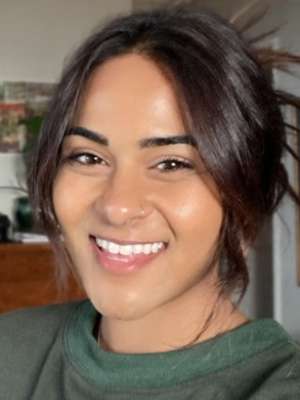
Anika Nawar Ullah is a third-year medical student in the UCLA-Drew Medical Education Program, transdisciplinary artist (M.S Media Arts + Technology, MIT Media Lab), National Geographic Society documentary filmmaker, and cross-cultural researcher whose career has been situated at the nexus of culturally-rooted health advocacy, ecological justice, and participatory art-making in the U.S and internationally, with a focus on the Asia-Pacific region. As an aspiring integrative psychiatrist, she is passionate about unearthing cross-cultural + decolonial collective healing practices and cultivating these modalities of care to advance mental health and wellbeing in Indigenous, migrant, refugee, rural, unhoused, and other underserved/ displaced/marginalized communities. These efforts began with establishing a nonprofit initiative, Intersectional Health Project San Diego, in 2016, which was recognized by the U.S Congress, UC President Janet Napolitano, and others for contributions to public health and and its focus on working with immigrant, refugee, and low income communities in the U.S-Mexico border region to co-produce knowledge and media narratives regarding overshadowed environmental and public health issues. In 2018, Anika then received a Fulbright-National Geographic Research + Storytelling Fellowship to partner with the Taiwanese Ministry of Health and Indigenous Peoples Council to explore the cultural dimensions of betel nut-linked oral cancer incidence through scientific research, participatory documentary filmmaking, anthropology, and health policy. She then pursued her master’s degree in Media Arts + Technology at the MIT School of Architecture’s Media Lab in 2019, where she worked with Dr. Kevin Esvelt’s Sculpting Evolution Group and Indigenous Maori communities in New Zealand to explore how participatory storytelling, design, and policy can enable new models for culturally-informed gene editing biotechnology co development to improve human and ecological health. Anika then began her medical training at the UCLA David Geffen School of Medicine in 2021 as a part of the CDU trainee cohort focused on health equity. In medical school, Anika has served as the Director of Advocacy for the LA Human Rights Initiative, spearheading a storytelling and policy advocacy project to expand the rights of U.S asylum seekers to include climate refugees, and has been working on an arts-based research project titled “Solastalgia,” which explores the landscape of climate change and mental health inequity locally and globally through cross-cultural research and participatory documentary-fiction filmmaking.

张 燕 华 Yanhua Zhang

YANHUA ZHANG

张燕华,毕业于哈尔滨医科大学精神医学专业,是 上海市嘉定区精神卫生中心的一名精神科医师、心理治 疗师。多年来,在从事精神卫生临床以及社区精神卫生 防治工作的过程中,积累了一定的教学、培训经验,擅 长针对不同人群开展科普讲座。 她喜爱植物与园艺,机缘巧合下,学习了园艺治 疗,“疗愈身心”,“用生命影响生命”,此后在医院 组建团队,在精神障碍群体、老年人群体中开展园艺治 疗的研究与实践,探索适合本土化的园艺治疗课程。 经过培训,她也成为了一名精神健康急救课程的导 师,授课培训精神健康急救员,并致力于倡导居民关注 精神健康。很高兴入选“悦心学者”,能有机会学习探 索更多非药物心理健康服务方式,将来,她憧憬带着爱 与希望,开展既符合自身兴趣又满足当地需求的心理健 康服务。

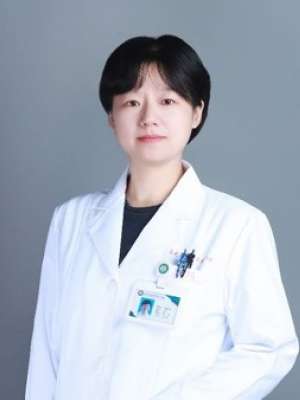
Yanhua Zhang is a psychiatrist and psychotherapist at Jiading District Mental Health Center in Shanghai. She graduated from Harbin Medical University majoring in psychiatry. Over the years, she has gained significant experience in mental health clinical practice and community-based mental health prevention and treatment. She is also skilled at delivering popular science lectures to different groups of people. She possesses a passion for plants and gardening, which led her to discover horticultural therapy. This therapeutic approach, known as "healing the body and mind" and "influencing life with life," resonated with her. Subsequently, she established a team at the hospital to research and practice of horticultural therapy in groups with mental disorders and the elderly. Her goal is to develop horticultural therapy courses that are adaptable to local needs. She has also been trained as an instructor for a mental health first Aid course. She teaches mental health first responders and advocates for mental health awareness among residents. Being selected as a “Tang Scholar” offers an opportunity for her to learn and explore more non-drug ways of providing mental health services. In the future, she looks forward to developing mental health services that align with her interests and meet local needs, driven by love and hope.

李 菁Jing Li

JING   LI

李菁,来自上海浦东新区的中医全科主治医师。2010年毕业 于上海中医药大学,获的中医学硕士学位,从事中医临床工作13 年。在社区从事中医全科工作11年,是社区卫生服务中心中医科 科长。她对于社区常见疾病的中医治疗、医疗团队的管理有着丰 富的经验。她热衷于社区健康教育工作,曾为学校、企业、社区 带去多场疾病预防的中医学讲座。 她是中医全科医学带教老师。在过去的十年里,她曾带教众 多医学生、住院医师了解社区医学、中医全科医学,使学生爱上 中医学、爱上社区医学。研究与实践,探索适合本土化的园艺治 疗课程。 作为上海中医学会会员,李菁在失眠、围绝经期综合征、月 经失调、慢性咳嗽等疾病的中医综合治疗方面积累了丰富的经 验。在工作中,她带领团队开展了社区疾病人群生活质量研究。 她认为,中医全科医学是以中医整体观和辨证论治为指导的医学 学科。 她很荣幸被选为“唐仲英悦心学者”,并期待通过深入学习非药物心理健康服务,帮助社区居民 提高心理健康意识。

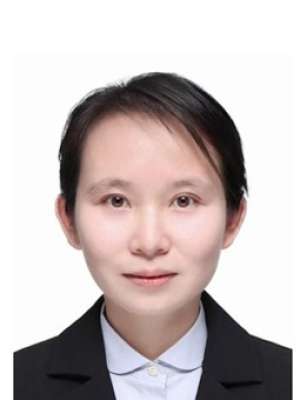
Jing Li is an attending physician of traditional Chinese medicine from Pudong New Area, Shanghai. Jing Li graduated from Shanghai University of traditional Chinese medicine in with a master's degree in Chinese medicine. She has been engaged in clinical work of TCM for years. Jing Li has worked in the community as a general practitioner of TCM for years. As the director of the TCM department at the community health service center, she has rich experience in TCM treatments of common diseases in the community and management of medical teams. She is passionately interested in community health education. Jing Li has provided multiple TCM lectures on disease prevention for schools, enterprises, and communities. Jing Li is a teacher of TCM general medical. In the past decade, she has taught numerous medical students, international students and residents about community medicine and TCM general practice, making students interested in community medicine and TCM.  As a member of the Shanghai Society of TCM, Jing Li has gained experience in the comprehensive treatments of insomnia, perimenopausal syndrome, menstrual disorders, chronic cough and other diseases with TCM, meanwhile, she led the team to conduct research on the quality of life of community disease populations. She believes that general practitioners of Chinese medicine are guided by the holistic view of Chinese medicine and the theory of syndrome differentiation and treatment.

方 晢 伊 Zheyi Fang

ZHEYI FANG

方晢伊,复旦大学公共卫生学院在读博士研究生,研究方向为全球卫生与医院管 理。2023年6月于复旦大学公共卫生学院取得公共卫生专业硕士学位(MPH),研究方 向为全球卫生;2020年6月于浙江中医药大学取得医学学士学位,预防医学专业。 在家人就医的经历中,她关注到了中国基层精神卫生 服务资源的缺乏,以及初级卫生保健在人群健康促进中的 重要作用。因此,她前往中国各级医疗与疾病预防控制机 构,积累了丰富的专业实习经验,对中国基层卫生保健和 疾病预防控制体系形成了直观的认识和理解。 研究生期间,她聚焦于全球卫生方向,参与了涉猎抗 菌药物耐药性、卫生安全治理等全球公共卫生威胁相关的 诸多科研项目;并继续积极参与针对中国基层卫生保健的 现场调研、前往坦桑尼亚进行志愿者与社会实践活动等, 对全球卫生体系建立了更全面的认识。她非常期待此次能 够作为“悦心学者”,发挥自己扎实的专业知识与对守护 人群健康的热忱,为整合心理健康服务与城市初级卫生保 健体系,做出微薄贡献。

Zheyi Fang is currently a doctoral candidate at Fudan University's School of Public Health, focusing on global health and health services management. In June 2023, she received a Master of Public Health degree from Fudan University. In June 2020, she earned a Bachelor of Medicine degree from Zhejiang Chinese Medical University, majoring in Preventive Medicine. Noticing a lack of mental health services at the primary healthcare level, Zheyi decided to concentrate on primary health from an early stage. To accomplish this, she completed professional internships to gain more knowledge about China's primary healthcare and disease control system. From 2020, Zheyi actively participated in multiple research programs addressing major public health challenges around the world, including antimicrobial resistance, health security governance, and so on. She continuously engaged in on-site investigations at the primary healthcare level and volunteered in Tanzania, gaining a comprehensive understanding of healthcare systems worldwide. With great passion for integrative healthcare and a strong background in preventive medicine, primary healthcare, and traditional Chinese medicine, Zheyi believes that the opportunity of becoming a Tang scholar can empower her to fulfill the aspiration of bridging the gap between mental health care and primary healthcare at the grassroots level.

冯 小 玲 Xiaoling Feng

XIAOLING FENG

我是,是一在的研究生,非 基会的,我前 学与的机会。我对医学的在过中,中有医疗者,此我 中医药,亲身中药治疗的效果。发我对医学领域的,我在 个领域求的。 我积极参与志愿活动,包括社区义诊和义务献血等。我认为社区 医疗是医学领域不可或缺的一部分,它不仅关注疾病的治疗,还注重 健康的维护与预防。通过参与社区医疗实践,我有机会亲身体验医疗 团队如何与来自不同背和需求的患者合作,以提供高质量的医疗服 务。此外,我对非药物疗法治疗情绪疾病充满热情。 我坚信身心健康的平衡对患者的康复至关重要。非药物疗法,如 心理治疗、运动疗法、音乐治疗和冥想等,可以在情绪疾病的治疗中 发挥重要作用。目前,我的主要研究方向是中医五行音乐对脑卒中患 者抑郁、焦虑、失眠等情绪症状的干预效果。中医五行音乐是一种基 于中医五行理论的音乐治疗方法,包括五种不同的音乐调式,每种调 式都对情绪产生独特的调节作用。五行音乐的选择可以根据个体的特 点和需要进行个性化。不同中医体质的患者需要不同类型的五行音乐 来实现内在平衡。

Xiaoling Feng, currently a third-year graduate student, expresses sincere gratitude to the Cyrus Tang Foundation for providing the opportunity to study in the United States. Xiaoling Feng developed a deep interest in medicine during her formative years, as her family included medical professionals. During growing up, she was exposed to traditional Chinese medicine and personally witnessed the effectiveness of Chinese herbal treatments. This early exposure ignited a profound passion for the field of medicine and fueled her desire to pursue a deeper understanding of it. Xiaoling Feng enthusiastically participated in volunteer activities, such as community health clinics and blood donation drives. She firmly believe that community healthcare plays an indispensable role in the field of medicine, focusing not only on disease treatment but also on health maintenance and prevention. Through her involvement incommunity healthcare practices, Xiaoling Feng had the opportunity to experience howhealthcare teams collaborate to provide high-quality medical services to patients fromdiverse backgrounds and with varying needs. Furthermore, Xiaoling Feng has a strong passion for non-pharmacological therapies for treating emotional disorders. She firmly believe in the significance of achieving a balancebetween physical and mental health for patients' overall well-being.Non-pharmacological the rapies, play a pivotal role in the treatment of emotional disorders. Currently, herprimary research focus is on the intervention effects of Traditional Chinese Medicine's Five-Element Music Therapy on emotional symptoms such as depression, anxiety, andinsomnia in stroke patients. Traditional Chinese Medicine Five Elements Music is a music therapy approach guided by the principles of TCM, consisting of five distinct musicscales, each of which exerts unique regulatory effects on emotions. The choice of FiveElements Music is tailored to the individual characteristics and needs of patients with different constitutions, allowing for a personalized approach to achieve internal balance