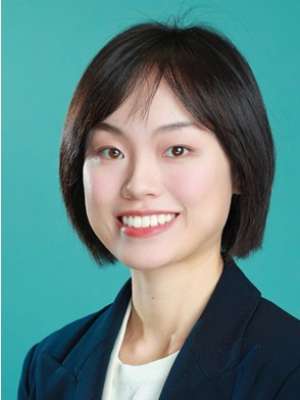
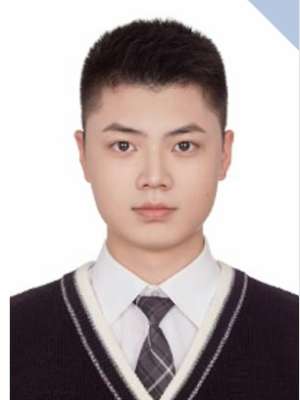
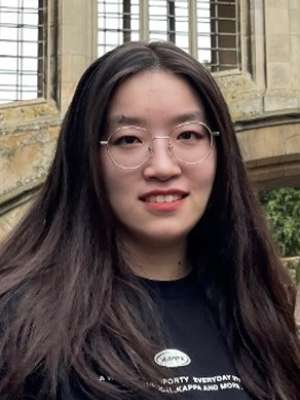
王倩赟 Qianyun Wang

Qianyun Wang

Qianyun Wang is a third-year PhD student in Social Welfare at UCLA. She holds a bachelor’s degree in Social Work from Beijing Normal University and a master’s degree in Social Work from the University of Calgary. With extensive fieldwork experience across India, Korea, the Philippines, Canada, and China, she is committed to tackling social exclusion, ageism, racism, and migratory injustice through both research and community action. One of her research interests is to explore grief and bereavement experiences among Asian Americans, examining the unique challenges they face due to their immigration background and cultural or racial identity, particularly in relation to grief adjustment. Her work highlights the need for culturally appropriate services and community support. Qianyun’s research focuses on the intersection of aging and immigration, with a particular emphasis on the social and and psychological well-being of older immigrants. She believes deeply in the power of community based research and community involvement to address pressing social issues, especially health inequities that affect marginalized populations. Specifically, her own research program uses Photovoice, a community-based participatory method, to investigate grief and bereavement experiences among older Chinese immigrants. Through this approach, she seeks to empower older Chinese immigrants who may be “muted” in society due to their language barriers and cultural identity. Qianyun's goal is to make a tangible impact in the community by organizing a photography exhibition to raise awareness of mental health and combat ageism and racism directed at older Chinese immigrants. With community practice and research experience working with older immigrants in both Canada and the U.S., Qianyun is also keen on exploring non-drug mental health therapies to enhance the mental well-being of these communities. In her volunteer work at the Chinatown Service Center in Los Angeles, she assists low-income older immigrants with social services and housing.

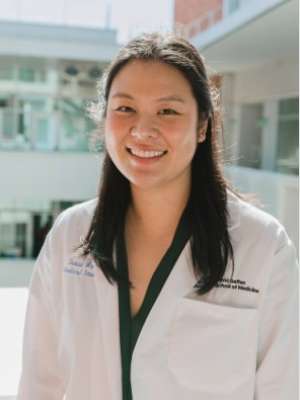
Sonia Wang

Sonia Wang

Sonia Wang is a third-year medical student at the David Geffen School of Medicine at UCLA. She grew up in Los Angeles, a true cultural melting pot. Lucky to be surrounded by cultures as distinct as a molcajete is from a soup dumpling, she was a child of the immigrant diaspora. Exposed to diverse outlooks since childhood, she was introduced to East-West medicine as a child, which sparked Sonia’s curiosity in its applications in medicine to deliver culturally sensitive and community-based care. Sonia’s interest in East-West medicine is rooted in the goal of better understanding the social forces that shape healthcare. At Harvard, she served as the Mental Health Chair, focusing on the health of athletes. She also volunteered with the Asian Task Force Against Domestic Violence to partner with families who have undergone emotional trauma and housing instability. At UCLA, Sonia worked as the Community Health Co-Chair of Asian Pacific American Medical Student Association to organize health fairs aimed at providing general health screenings for the Asian Pacific Islander American community. Sonia looks forward to furthering her education in East-West medicine as a Tang Scholar with an open and curious mind, expanding the possibilities of accessible medicine, all in the context of humanely delivering care.

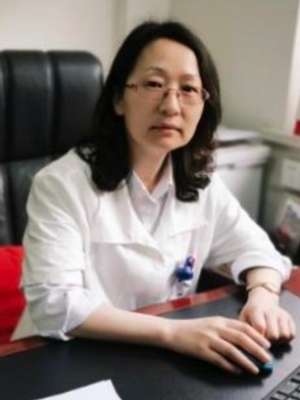
吴⽟霞 Yuxia Wu

Yuxia Wu

吴⽟霞,硕⼠研究⽣,主任医师。2003年毕业于复旦⼤学公 共卫⽣学院。2003-2020年在普陀区疾病预防控制中⼼⼯ 作,2020年⾄今,宜川社区卫⽣服务中⼼副主任,负责公共 卫⽣防病、信息和科研管理⼯作。 主要从事社区公共卫⽣和预防保健、职业卫⽣与职业病防制 ⼯作,负责完成了多项国家及市级重⼤课题。先后发表学术 论⽂40余篇。参与《临床毒理学》、《⼯作和⽣活环境突发健 康危害事件百例剖解》、《常⻅化学物急性中毒现场防控⼿ 册》、《化学品毒性全书》、《职业健康管理与职业病防治⼯作 实务》等多本书籍的编写。上海市预防医学会职业卫⽣与职 业病专委会委员、上海市预防医学会放射卫⽣专委会委员、 国家医师资格考试考官、《上海预防医学》杂志审稿专家。 ⾮常关⼼⻘少年⾝⼼健康,新近被聘为宜川中学附属学校健康 副校⻓,将协助校⻓做好学校的各项防病和健康促进⼯作。

Yuxia Wu, MSc, graduated from Fudan University in 2003. She had worked in the Center for Disease Control and Prevention of Putuo District in Shanghai for over 17 years. Yuxia has been a Chief Physician of Public Health and a Deputy Director of Yichuan Community Health Service Center since 2020, in charge of the Department of Public Health, Department of Health Information, and Department of Scientific Research Management. The major work covers the area of Community Public Health, Preventive Care, Occupational Health and Prevention of Occupational Diseases, and research projects including national, municipal, and district programs & projects. She has also published more than 40 articles and reviews. The other publications as an editor or writer include Clinical Toxicology, printed by People's Health Publishing House; 100 Cases Analyzed in Area of Health Emergency from Occupation or Environmental Issues, printed by Fudan University Publishing House; Encyclopedia of Toxicology of Chemicals, printed by Shanghai Scientific and Technological Literature Publishing House; Practice of Public Health Management and Prevention of Occupational Diseases, printed by Tongji University Publishing House. She is a professional member of Occupational Health and Occupational Disease, Shanghai Preventive Medicine Association, and a Professional Member of Radiology Health, Shanghai Preventive Medicine Association. She is currently an examiner of the National Physician Qualification Examination and a reviewer of the Shanghai Journal of Preventive Medicine. She especially takes care of youngsters’ health and also is engaged as vice-principal of health for a school of Putuo, to improve the student’s health and disease prevention both physical and mental.

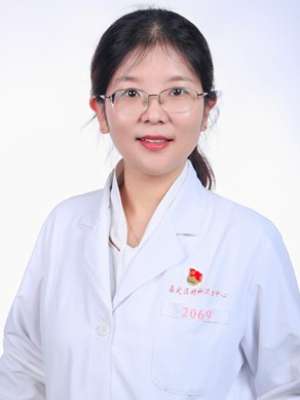
卢 艳 Yan Lu

Yan Lu

卢艳,毕业于郑州⼤学预防医学专业,⽬前是上海市嘉定区 精神卫⽣中⼼的⼀名公共卫⽣医师、⼼理治疗师,⻓期从事 重点⼈群的科普宣教与⼼理健康促进⼯作。2023年于复旦⼤ 学公共卫⽣学院取得公共卫⽣⾮全⽇制硕⼠学位,研究⽅向 为妇幼与⼉少卫⽣学,打磨将科学研究运⽤于科教实践的能 ⼒,并打造针对中⼩学⽣健康危险⾏为⼲预与⼼理健康促进 的亲⼦直播、⻘少年⼼理剧、科普、动漫和微视频。 在持续的公众⼼理健康促进⼯作中,她积累了⼀定的⼯作经 验,从区域⼼理⼈才队伍组建、“培育+反哺”服务模式构建、 融合性⼼理服务平台搭建、特⾊科教服务输出,她积极探索 可持续的特⾊⼼理健康服务模式。⾮常荣幸能够⼊选“悦⼼学 者”,希望能够有机会学习更多⼼理健康服务的⽅式和路径, 为区域⼼理服务的开展注⼊新的思路,让更多⼼理专业的⼈ 聚拢起来,⽤⽆限的热忱输出服务,⽤专业的⼒量守护⼼ 灵,为区域重点⼈群的⼼理健康服务贡献微薄⼒量。 Yan Lu, graduated from Zhengzhou University, majoring in preventive medicine, is currently a public health physician, psychotherapist in Shanghai Jiading District Mental Health Center. She has long been engaged in popular science education and mental health promotion for key population. In 2023, she obtained a part-time master 's degree in public health from the School of Public Health of Fudan University. The research direction is maternal, child and child health, engaged in polishing the ability to apply scientific research to the practice of education services and creating adolescent psychological dramas, series of popular science, animation and micro-videos for primary and secondary school students ' health risk behavior intervention and mental health promotion. In the continuous public mental health promotion work, she has accumulated some work experience. From the establishment of regional mental health talent team, the construction of cultivation-feedback service mode, the construction of integrated psychological service platform, and the output of characteristic psychological science and education service, she actively explores sustainable and influential regional characteristic mental health service mode. It is a great honor to be selected as a Tang scholar, hoping to learn more ways of mental health services, inject new visions into the development of regional psychological services, and let more people majoring in psychology gather together, export services with infinite enthusiasm, protect the soul with professional strength, and contribute to the mental health services of key groups in the region.

沈世仲 Shizhong Shen

Shizhong Shen

我是沈世仲,是⼀名在读的⼆年级研究⽣,⾮常感谢Cyrus Tang基⾦会的⽀持,使我获得前往美国学习与交流的机会。 我的⺟亲是⼀名中医全科医师,这使我⾃幼便能够接触到中 医药的独特魅⼒,激发了我对全科医学领域的浓厚兴趣,并 促使我渴望在这个领域追求更深⼊的知识。 我⾃本科起便跟随社区的⻔诊,了解社区的常⻅病种及其在 公共卫⽣领域所起到的作⽤。我认为社区医疗是医学领域不 可或缺的⼀部分,它不仅关注疾病的治疗,还注重社区⺠众 的健康维护与预防。通过参与社区医疗实践,我有机会亲⾝ 体验家庭医⽣团队如何与社区居⺠合作,以提供⾼质量的医 疗服务。社区医疗模式极⼤地便利了社区居⺠的就医流程, 缓解了三甲医院的医疗压⼒。 此外我对⾮药物疗法治疗相关疾病充满兴趣。在⻔诊学习过 程中,我遇到了许多病⼈在药物治疗中配合⾮药物疗法取得 了显著的效果。在这些病⼈中,我接触到了⼀位患有焦虑症 的男性。他尝试了服⽤抗焦虑药物,但副作⽤让他感觉到不 适。在我们的建议下,他尝试每天定期散步,接触⼤⾃然, 配合⼀定剂量的药物治疗下,患者焦虑抑郁状态明显好转, ⽣活质量也得到了明显提升。这让我认识到⾮药物疗法在现 代医学中的重要性。它不仅能够减少药物的副作⽤,还能帮 助病⼈从更全⾯的⻆度改善健康状况。因此,在未来的医疗 实践中,我希望能更多地运⽤和推⼴⾮药物疗法,帮助病⼈ 找到最适合⾃⼰的治疗⽅式。

Shizhong Shen, a second-year graduate student, expresses his sincere gratitude to the Cyrus Tang Foundation for the opportunity to study and collaborate with peers in the United States. Inspired by his mother, a general practitioner in traditional Chinese medicine (TCM), Shizhong developed an early appreciation for the unique charm of TCM, which sparked his interest in pursuing a career as a general practitioner and advancing his expertise in the field. Since his undergraduate years, Shizhong has been involved with the community outpatient department, gaining valuable insights into the common diseases in the community and their role in public health. He believes community healthcare is an indispensable component of the medical field. It not only focuses on disease treatment but also emphasizes preventive care and health maintenance among the community population. Through his participation in community healthcare practice, Shizhong has had the opportunity to experience firsthand how family physician teams work closely with community residents to provide high-quality medical services. The community healthcare model streamlines the healthcare process for residents and helps alleviate the burden on large hospitals. Additionally, Shizhong has a strong interest in non-drug therapies for treating various conditions. During his outpatient training, he encountered many patients who experienced significant improvement by combining non-drug therapies with medication treatments. One notable case involved a man with an anxiety disorder who struggled with the side effects of anxiolytic medication. Under the guidance of our medical team, the patient incorporated daily walks and nature exposure, while continuing with a prescribed dosage of medication, and his anxiety and depression significantly improved, leading to an enhanced quality of life. This experience reinforced Shizhong’s belief in the importance of non-drug therapies in modern medicine. They not only help minimize medication side effects but also offer patients a more holistic approach to improving their health. Looking ahead, Shizhong hopes to apply and promote non-drug therapies more widely, helping patients find the most suitable treatment options for their individual needs.

⽑⾠悦 Chenyue Mao

Chenyue Mao

⽑⾠悦是⼀名研究⽣⼆年级的学⽣,现就读于上海⻰华医 院,并将以全科医学硕⼠学位于2026年毕业。她的导师针灸 科赵海⾳主任对针灸有丰富的临床经验和独到的⻅解,特别 是利⽤头⽪针灸治疗脑部疾病,如失眠、抑郁、偏头痛等。 针灸也是中医⾮药物疗法中⾄关重要的⼀部分,因此,她坚 持将针灸作为主要的研究⽅向。 同时,她在上海中医药⼤学完成了她本科⽣涯的学习,主修 针灸推拿专业。在业余时间,她也积极服务社会,参加各种 志愿服务。她参加了3年的学院志愿者服务队,曾担任肌⾁ 疾病协会志愿服务队队⻓,这些实践经历锻炼了她的⼯作协 调和沟通能⼒。此外,她还参与了⼀些研究项⽬,⾛访了多 个社区,向居⺠宣讲和传授推拿功法和艾灸。 经过多年的学习经验,她已熟练掌握针灸、艾灸、拔罐、推 拿等各种中医⾮药物疗法。她希望通过这次宝贵的学习机 会,开阔⾃⼰的视野,结合⾃⼰的学科优势,将所学到的知 识和思想运⽤到实践中。

Chenyue Mao is a second-year graduate student at Shanghai Longhua Hospital affiliated to Shanghai University of Traditional Chinese Medicine (SHUTCM), pursuing a master’s degree in General Practice, with expected expected graduation in 2026. She is mentored by Dr. Haiyin Zhao, Director of the Acupuncture Department, who has extensive clinical experience and unique insights into acupuncture, especially in using scalp acupuncture to treat neurological conditions such as insomnia, depression, and migraines. Recognizing acupuncture as a pivotal component of non-drug therapies in traditional Chinese medicine, Chenyue has committed to making acupuncture the focus of her research. Chenyue completed her undergraduate studies at SHUTCM, majoring in Acupuncture and Tuina. In her spare time, she actively engaged in community service, participating in various volunteer activities. She spent three years on her university’s volunteer service team and served as the leader of the Muscle Disease Association Volunteer Service Team, which helped her develop strong coordination and communication skills. Additionally, she participated in research projects, visiting local communities to promote and teach Tuina techniques and moxibustion. Through years of dedicated study, Chenyue has developed proficiency in acupuncture, moxibustion, cupping, and tuina, among other traditional Chinese non-drug therapies. She hopes to leverage this valuable learning opportunity to broaden her perspective and apply her knowledge in practice.

Yan Lu

卢 艳 Yan Lu

Chenyue Mao

⽑⾠悦 Chenyue Mao

Shizhong Shen

沈世仲 Shizhong Shen

Sonia Wang

Sonia Wang

Qianyun Wang

王倩赟 Qianyun Wang

Yuxia Wu

吴⽟霞 Yuxia Wu