The Evolution of Aortic Surgery
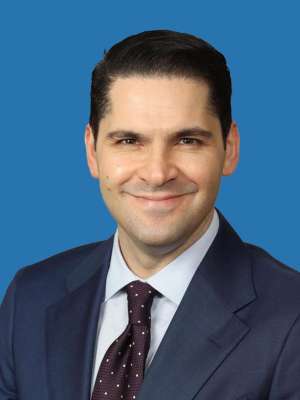
Dr. Bernardo Mendes, vascular surgeon and Co-Director of the UCLA Health Aortic Center, discusses the evoluation of aortic surgery and treatment of aortic aneurysms over the past 25 years.
Over the last 20 years, the treatment of aortic aneurysms has changed dramatically.
In the past, repairing an aortic aneurysm almost always required a major open operation. Surgeons had to make large incisions in the chest or abdomen to reach the aorta. These procedures were effective, but they carried significant risks, including stroke, kidney failure, and death. Even when surgery went well, recovery could be long and challenging. Patients often spent a week or more in the hospital and required months to fully recover.
Today, we have much better options for many patients.
With modern endovascular techniques, we can often repair an aneurysm through a small puncture in the artery of the groin. Instead of opening the chest or abdomen, we guide specialized devices, called stent grafts, through the blood vessels to the site of the aneurysm.
A stent graft is a metal framework covered with a durable fabric. Once positioned inside the aorta, it expands and creates a new channel for blood flow. This redirects blood away from the weakened portion of the aorta, reducing pressure on the aneurysm and greatly lowering the risk of rupture.
These devices are highly durable and are designed to remain in place for many years.
The impact on patient outcomes has been remarkable. Compared with traditional open surgery, endovascular repair generally results in fewer complications, shorter hospital stays, faster recovery, and a quicker return to normal activities.
Our goal in treating an aortic aneurysm is simple: to prevent rupture.
A ruptured aneurysm is a life-threatening emergency. Unfortunately, many patients who experience aneurysm rupture do not survive long enough to reach the hospital. By identifying aneurysms early and treating them before they rupture, we can save lives.
After repair, patients require lifelong follow-up imaging to ensure the aneurysm remains excluded from blood flow and the repair continues to function properly. Some patients may need additional maintenance procedures over time, but these are often minimally invasive and can usually be performed with very brief recovery periods.
Endovascular repair has transformed the way we treat aortic aneurysms. It is safer, less invasive, and allows many patients to recover more quickly than ever before.
At the UCLA Health Aortic Center, we are proud to offer the latest advances in aortic care, combining innovative technology with a commitment to safety and compassionate treatment.
How Aortic Aneurysm Surgery Has Changed
Over the last 25 years, the treatment of aortic aneurysms has changed dramatically. In the past, most patients needed major open surgery, which required a large incision and a long recovery. Today, many aneurysms can be treated using minimally invasive procedures performed through small incisions in the blood vessels.
Abdominal Aortic Aneurysms
The biggest change has occurred in the treatment of abdominal aortic aneurysms, which develop in the aorta below the kidneys.
In 1999, doctors began using a new technique called Endovascular Aneurysm Repair, or EVAR. During EVAR, a fabric-covered metal stent is inserted through blood vessels in the groin and guided into the aorta. The stent reinforces the weakened section of the blood vessel from the inside.
By 2019, nearly 9 out of 10 abdominal aortic aneurysms were treated with EVAR rather than open surgery.
Compared with open surgery, EVAR offers several advantages:
- Lower risk of death around the time of surgery
- Smaller incisions
- Less blood loss
- Shorter hospital stays
- Faster recovery
However, patients who undergo EVAR need lifelong follow-up imaging because the stent graft may require additional treatment over time.
Thoracic Aortic Aneurysms
Aneurysms can also occur in the chest portion of the aorta.
For many patients, open surgery has been replaced by a similar minimally invasive procedure called Thoracic Endovascular Aortic Repair, or TEVAR.
Like EVAR, TEVAR uses a stent graft delivered through blood vessels rather than a large chest incision. This approach has reduced complications and made treatment possible for many patients who might not tolerate open surgery.
Treating More Complex Aneurysms
One of the most important advances has been the development of specialized stent grafts that can treat aneurysms involving major branches of the aorta.
These newer devices contain openings or side branches that allow blood to continue flowing to important organs such as:
- The kidneys
- The liver
- The intestines
- The spinal cord
As a result, many patients with complex aneurysms who previously required very large operations can now be treated with minimally invasive techniques.
Aortic Arch Aneurysms
The aortic arch is the curved portion of the aorta that gives rise to blood vessels supplying the brain and arms.
Open surgery remains the standard treatment for many arch aneurysms. However, surgeons have developed hybrid procedures that combine open surgery with stent graft technology. New fully endovascular approaches are also being studied and may become more common in the future.
Looking Ahead
The story of aortic aneurysm treatment over the last two decades has largely been the story of endovascular surgery. Procedures that once required large incisions and lengthy recoveries can now often be performed through small punctures in the groin.
Although open surgery remains important for some patients, minimally invasive endovascular repair has become the most common treatment for many types of aortic aneurysms and continues to expand as technology improves.
References:
- Conroy PD, Rastogi V, Yadavalli SD, Solomon Y, Romijn AS, Dansey K, Verhagen HJM, Giles KA, Lombardi JV, Schermerhorn ML. The rise of endovascular repair for abdominal, thoracoabdominal, and thoracic aortic aneurysms. J Vasc Surg. 2025 Jan;81(1):14-28. doi: 10.1016/j.jvs.2024.06.165. Epub 2024 Jun 26. PMID: 38942397.
Find your care
Our specialists are experts in treating aortic disease. To learn more about our services, call 310-267-7001.
Related Videos
You may also like:
Related Content
Services:
Aortic Care