Reducing the Risks of Aortic Aneurysm Surgery
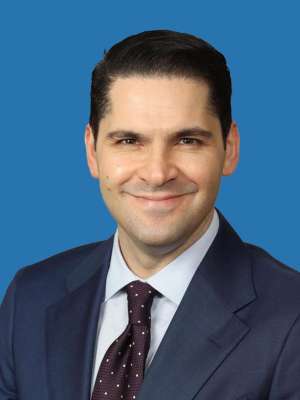
Dr. Bernardo Mendes, vascular surgeon and Co-Director of the UCLA Health Aortic Center, discusses the risks of aortic surgery (aortic aneurysm repair) and methods to reduce risk.
How Risky Is Aortic Aneurysm Surgery and how can risks be kept to a minimum?
Aortic surgery may sound risky, and it is a serious operation. However, with modern techniques and technology, it is much safer than it used to be. The level of risk depends largely on how extensive the aneurysm is and where it is located.
The most common type of aneurysm is an infrarenal abdominal aortic aneurysm, which occurs below the arteries that supply the kidneys. In most cases, this can be repaired using a minimally invasive procedure performed through a small incision in the groin. The risk of major complications from this procedure is very low.
The most common issues are related to the artery in the groin where the device is inserted. Occasionally, bleeding or damage to the artery may require a small repair. There is also a small risk of kidney problems or other complications, but these are uncommon and often resolve on their own.
As we move higher up the aorta, the repair becomes more complex. The aorta supplies blood to important organs such as the kidneys, intestines, and liver. When an aneurysm involves these branches, there is approximately a 1–2% risk of serious kidney injury. The risk of intestinal complications requiring additional surgery is less than 1%. Most other major complications are also in the 1–2% range. Even so, these risks are substantially lower than those associated with traditional open surgery.
The most serious risk occurs in patients with very extensive thoracoabdominal aortic aneurysms, which involve both the chest and abdominal portions of the aorta. One potential complication is spinal cord ischemia, sometimes described as a stroke of the spinal cord. This can lead to weakness or paralysis of the legs. Although uncommon, it is the complication we work hardest to prevent.
We use several strategies to reduce this risk. One is called staged repair. Rather than completing the entire procedure at once, we perform it in two stages several weeks apart. This gives the body time to develop additional collateral blood vessels that help protect the spinal cord. Staging can reduce the risk of spinal cord injury from approximately 15–20% down to about 4–5%.
We also maintain blood pressure at slightly higher levels after surgery to improve blood flow to the spinal cord. In selected high-risk patients, we place a spinal drain, a small tube that helps reduce pressure around the spinal cord and improve its blood supply. During surgery, we continuously monitor spinal cord function. If we detect any signs of reduced blood flow, we can immediately adjust our approach to protect the patient.
The most important factors in avoiding complications are careful planning and teamwork. Many of the stent grafts we use are custom-designed for each patient. We review every detail of the procedure before we begin, and we work closely with a highly experienced multidisciplinary team to ensure everything proceeds safely.
Thanks to advances in technology, meticulous planning, and a team-based approach, aortic aneurysm repair is safer and more successful than ever before. At UCLA Health, we strive to offer every patient the full range of treatment options and the best possible outcomes.
Find your care
Our specialists are experts in treating aortic disease. To learn more about our services, call 310-267-7001.
Related Videos
You may also like:
Related Content
Services:
Aortic Care