Repairing Ascending Aortic Aneurysms
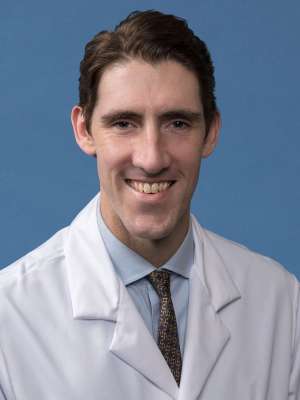
Dr. Peter Downey, adult cardiac surgeon and Co-Director of the UCLA Health Aortic Center, discusses treatment of ascending aortic aneurysms.
Ascending Aortic Aneurysms: When Is Treatment Needed?
The aorta is the body's largest artery. It carries blood from the heart to the rest of the body. The aorta has several sections: the ascending aorta, the aortic arch, and the descending aorta.
The ascending aorta is the first part of the aorta. It rises upward from the heart toward the head and is normally a little over 3 centimeters, or about 1 inch, in diameter.
An aortic aneurysm occurs when part of the aorta becomes enlarged. As the aorta stretches, its wall can become weaker. A larger aneurysm increases the risk of serious complications, including an aortic dissection, which is a tear in the wall of the aorta, or an aortic rupture. Both are life-threatening emergencies.
Our goal is to repair aneurysms before these complications occur.
The decision to perform surgery depends on several factors. Most importantly, we balance the risk of surgery against the risk of the aneurysm itself.
Size of the Aneurysm
The size of the aneurysm is one of the most important factors when deciding whether surgery is needed.
For many patients, surgery is recommended when the ascending aorta reaches approximately 5 centimeters in diameter. As aneurysms become larger, the risk of dissection or rupture increases.
However, size is only one part of the decision. Some patients may benefit from surgery at a smaller diameter because of other risk factors.
Symptoms May Mean Earlier Treatment
Most ascending aortic aneurysms do not cause symptoms. Many are discovered during imaging studies performed for another reason.
When symptoms do occur, they may include:
- Chest pain
- Back pain
- Shortness of breath
- Hoarseness
- Difficulty swallowing
An aneurysm that is causing symptoms may require treatment regardless of its size.
Bicuspid Aortic Valve
Some people are born with a bicuspid aortic valve, meaning the valve has two leaflets instead of the usual three.
About 1% to 2% of people have this condition. Many never develop symptoms, but a bicuspid valve can increase the risk of enlargement of the ascending aorta.
Patients with bicuspid aortic valves are followed closely with imaging studies. Depending on the size of the aneurysm and other risk factors, surgery may be recommended earlier than it would be for other patients. In some cases, surgery is performed at the same time as aortic valve surgery.
Genetic Conditions and Connective Tissue Disorders
Certain inherited conditions can weaken the wall of the aorta and increase the risk of dissection at smaller aortic diameters.
These conditions include:
- Marfan syndrome
- Loeys-Dietz syndrome
- Certain inherited thoracic aortic aneurysm syndromes
Because these conditions carry a higher risk of aortic complications, surgery is often recommended when the aneurysm is smaller than the size typically used for patients without a genetic condition.
Growth Rate
Not all aneurysms grow. Those that do often enlarge very slowly.
We monitor aneurysms with periodic imaging studies such as CT scans, MRI scans, or echocardiograms. These studies allow us to measure the size of the aorta and track changes over time.
If an aneurysm is growing more quickly than expected, surgery may be recommended sooner, even if it has not yet reached the usual size threshold.
What If I Need Heart Valve Surgery?
Some patients need surgery on both the aortic valve and the ascending aorta.
If the chest is already being opened to repair or replace a heart valve, surgeons may recommend replacing a moderately enlarged ascending aorta during the same operation. Combining these procedures can reduce the need for another surgery in the future.
How Are Patients Monitored?
Patients who do not yet need surgery are usually followed with regular imaging studies, including:
- Echocardiography (ultrasound)
- CT scans
- MRI scans
The timing of these studies depends on the size of the aneurysm and how quickly it is changing.
Regular surveillance allows your care team to determine the safest time for treatment while avoiding unnecessary surgery.
Individualized Care
Every patient is different. The right treatment plan depends on many factors, including:
- The size and shape of the aneurysm
- Whether the aneurysm is causing symptoms
- How quickly it is growing
- Your age and overall health
- Your family history
- Whether you have a bicuspid aortic valve or a genetic aortic condition
- Whether other heart surgery is needed
If you have been diagnosed with an ascending aortic aneurysm, it is important to discuss your condition with an experienced aortic specialist. Together, you can develop a treatment plan that is tailored to your individual needs.
At the UCLA Health Aortic Center, our multidisciplinary team reviews each patient's imaging studies, medical history, and risk factors to determine whether surveillance or surgery is the best option and to ensure that treatment occurs at the right time.
Find your care
Our specialists are experts in treating aortic disease. To learn more about our services, call 310-267-7001.
Related Videos
You may also like:
Related Content
Services:
Aortic Care