Who Is a Candidate for Endovascular Aortic Surgery?
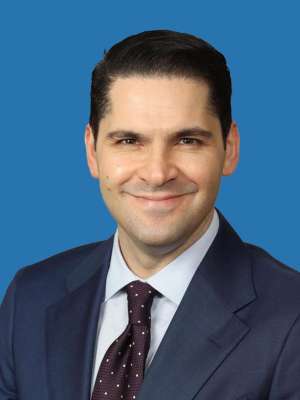
Dr. Bernardo Mendes, vascular surgeon and Co-Director of the UCLA Health Aortic Center, discusses patient eligibility for endovascular aortic surgery (aortic aneurysm repair).
Who Is a Candidate for Endovascular Aortic Aneurysm Repair?
Not everyone with an aortic aneurysm needs surgery right away, and not everyone is a good candidate for endovascular repair. Choosing the right treatment depends on the size of the aneurysm, its location, the shape of the aorta, and the patient's overall health.
When Does an Aortic Aneurysm Need Treatment?
Many aortic aneurysms grow slowly and can be monitored with regular imaging tests. Treatment is usually recommended when the aneurysm becomes large enough that the risk of rupture outweighs the risks of repair.
In general:
- Abdominal aortic aneurysms are often repaired when they reach about 5.5 centimeters in men and 5.0 centimeters in women.
- Thoracic aortic aneurysms may require repair when they reach approximately 5.5 to 6.0 centimeters, depending on their location and the patient's medical history.
- Aneurysms that are growing quickly or causing symptoms may need treatment even if they are smaller.
Your surgeon will consider many factors when deciding whether repair is appropriate.
What Makes Someone a Good Candidate for Endovascular Repair?
Endovascular aneurysm repair (EVAR or TEVAR) is a minimally invasive procedure that uses a fabric-covered metal stent, called a stent graft, to reinforce the weakened section of the aorta.
The most important factor is the shape of the aorta and the location of the aneurysm.
For endovascular repair to work well, the surgeon needs healthy sections of aorta above and below the aneurysm where the stent graft can attach securely. These healthy areas create a tight seal that prevents blood from flowing into the aneurysm.
Several anatomical features are important:
- A healthy segment of aorta above the aneurysm that is long enough for the stent graft to seal properly.
- Aortic diameter that falls within the range approved for the device.
- Limited twisting or sharp bends in the aorta.
- Minimal calcium buildup or blood clot inside the sealing zones.
- Arteries in the groin and pelvis that are large enough to allow the delivery system to reach the aneurysm safely.
- Healthy arteries below the aneurysm where the stent graft can be anchored.
What If My Anatomy Is More Complex?
Some aneurysms occur very close to important branches of the aorta, including the arteries that supply the kidneys, liver, intestines, or spinal cord. In these situations, standard endovascular devices may not be suitable.
Fortunately, newer technologies can allow many patients with more complex aneurysms to undergo minimally invasive treatment. These include specialized stent grafts with openings or branches that preserve blood flow to critical organs.
Whether these options are appropriate depends on each patient's anatomy and overall health.
Are There Patients Who May Be Better Served by Open Surgery?
Yes. Although endovascular repair offers many advantages, it is not always the best choice.
Younger patients may benefit from the long-term durability of open surgical repair. Patients with certain inherited connective tissue disorders, such as Marfan syndrome or Loeys-Dietz syndrome, are also often better treated with open surgery because their aortic tissue may continue to weaken over time.
Your surgeon will discuss the benefits and risks of each approach and recommend the treatment that offers the safest and most durable result.
What Are the Benefits of Endovascular Repair?
Compared with traditional open surgery, endovascular repair typically offers:
- Smaller incisions
- Less pain after surgery
- Shorter hospital stays
- Faster recovery
- Lower risk of complications in the early postoperative period
Most patients are able to return to normal activities much sooner than after open surgery.
The Importance of Careful Patient Selection
Successful endovascular repair depends on matching the right procedure to the right patient. Even when an aneurysm is large enough to require treatment, the anatomy must be suitable for the stent graft to work safely and effectively.
At the UCLA Health Aortic Center, every patient undergoes a detailed review of their imaging studies and medical history. Our multidisciplinary team develops an individualized treatment plan designed to provide the safest repair and the best long-term outcome.
Find your care
Our specialists are experts in treating aortic disease. To learn more about our services, call 310-267-7001.
Related Videos
You may also like:
Related Content
Services:
Aortic Care