If you are not dressing for a special occasion or an event with a dress code, you may not put a lot of thought into what you wear. But maybe you should.
It's common to choose outfits based on how we want to be perceived by others. But it can also affect how you see yourself and how you feel. The clothing and accessories you choose to wear may impact your mood, energy level, confidence and behavior.
The concept that clothing can be mood-boosting is called "dopamine dressing." While the idea isn't exactly new, it has gained momentum on social media in recent years.
Here's what you need to know:
What is dopamine dressing?
Dopamine is your brain's feel-good chemical. When you find something stimulating or enjoy an activity, it triggers a spike in your dopamine level and immediately boosts your mood.
Dopamine dressing, a concept coined by a fashion psychologist in 2020, involves choosing outfits and dressing in certain clothing because it brings you joy and positive energy.
But dopamine dressing has appeal beyond the typical TikTok audience. Some health organizations have promoted dopamine dressing to people with specific health conditions:
- The National Multiple Sclerosis (MS) Society recommends dopamine dressing for people with MS as a natural way to boost mental health.
- The Autistic Women & Nonbinary Network (AWN) refers to dopamine dressing as an autistic "glimmer," which is described as "something that gives you a feeling of well-being and can help regulate your nervous system."
What the science says about dopamine dressing
While dopamine dressing sounds like a simple way to boost your mood, there's no conclusive data saying that what you wear can directly lead to a release of dopamine in the brain. But that doesn't mean the effects of clothing haven't been studied by researchers.
Research through the years has highlighted several factors that may contribute to "enclothed cognition" — a term used by researchers to describe how clothing may influence psychological processes:
- Clothing color: Color can affect mood and energy. Research shows that sports teams wearing red — a color associated with empowerment and arousal — consistently play better in home games.
- How the clothes are perceived: Wearing an item of clothing associated with certain behavior can change how you act. Study participants who were asked to wear a white "doctor's lab coat" during testing displayed increased selective and sustained attention compared to people not wearing a lab coat or wearing a white "painter's coat."
- How the clothing feels: There is data suggesting that wearing more comfortable clothing during standardized testing directly correlates to higher exam scores.
No one scientific study explains if and how clothing may trigger dopamine. However, a 2023 analysis of evidence concludes that overall, studies on this topic generally support the core belief that what you wear influences how you think, feel and act.
Tips for dopamine dressing
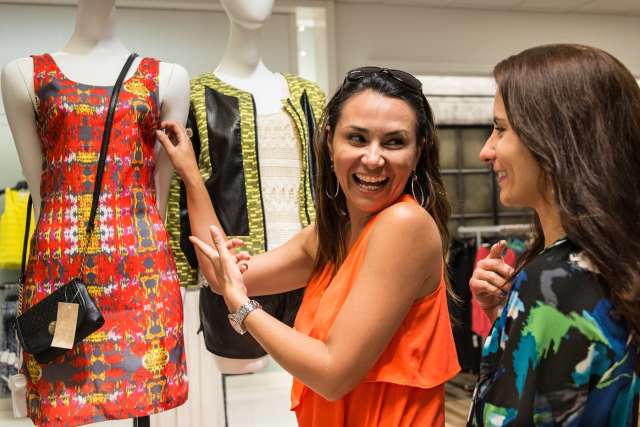
The goal of dopamine dressing is to wear what makes you feel happy, productive and energized. It doesn't have to be reserved only for special occasions. You can make small, intentional clothing choices every day to lift your mood.
The National MS Society shares simple ways to boost your dopamine with an outfit:
- Add joyful accessories: Even a fun necklace, pair of socks or handbag can be enough to lift your spirits.
- Choose bold colors: Vibrant colors are known to be instantly mood-boosting for many people.
- Keep it comfortable: Your mood may improve if your clothing fits well, matches your activity and keeps you comfortable.
- Look for fun patterns: If playful prints, such as florals or polka dots, make you smile, wear them more often.
Remember, dopamine dressing is meant to boost your mood and mental well-being — so your clothing and accessory choices should speak to your personal preferences.
If you are concerned about your mood and mental health, don't solely rely on your clothing. Your primary care physician or a mental health professional can recommend treatment and help you manage your symptoms.