Dear Doctors: My husband has Type 2 diabetes. Our family doctor has been urging him to get a flu shot, but since he hardly ever gets sick, he thinks his immune system is strong and will protect him. Is having the flu really more dangerous for someone with diabetes? What can happen?
Dear Reader: Your family doctor is giving your husband very good advice. Considering your husband says he rarely gets sick, it's not too surprising he feels comfortable ignoring it. That's unfortunate because influenza is an unpredictable and potentially dangerous illness. The virus changes from year to year, so you can't rely on your immune system's memory of previous infections to protect you. The hard truth is that never getting sick during flu season is not an insurance policy. And for people living with diabetes, the gamble of skipping flu shots carries additional risk.
For those who are not familiar, diabetes is a condition in which the body is unable to manage blood sugar. This can be because the body does not make enough insulin or doesn't respond to the hormone properly. The result is that, rather than being transported into the cells to be used as energy, too much glucose remains in the bloodstream. Chronic high blood sugar can interfere with normal immune function, thus weakening the body's ability to fight infections.
As people who have had the flu know, the virus triggers a full-body response that is often intense and can be prolonged. With fever, inflammation and fatigue, even a so-called "routine" case can take a steep toll on the body -- and that's for people who are otherwise healthy. For people with diabetes, those effects can be amplified, which increases the risk of serious complications. These include a progression to pneumonia, which can require hospitalization. And to make things even more challenging, influenza can make diabetes harder to manage.
When you're fighting an infection, your body releases cortisol and adrenaline. Often referred to as stress hormones, they play complex and crucial roles in the immune response. But they can also increase insulin resistance, which can lead to increased blood sugar. The basic miseries of being sick, such as loss of appetite and dehydration, can also adversely affect blood glucose control. This is particularly true when the person is using certain types of diabetes medications. Swings and spikes in blood sugar that become extreme pose an immediate threat to health.
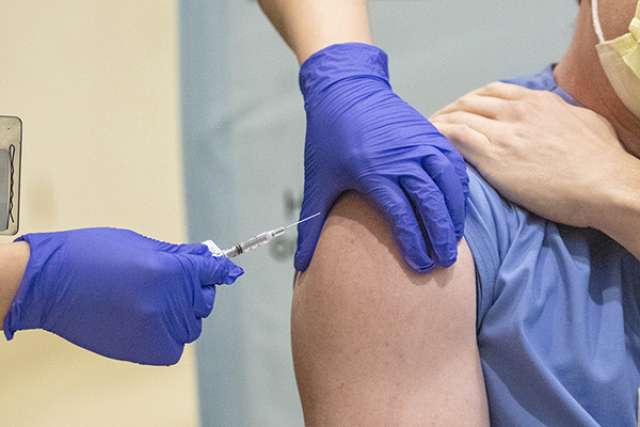
Your family doctor's guidance to your husband is based on all these factors. Perhaps, if they have a more detailed conversation about the risks, your husband may change his mind. Meanwhile, the Centers for Disease Control and Prevention recommends an annual flu shot to everyone 6 months and older who does not have any contraindications. Adults 65 and over are advised to receive a high-dose, recombinant or adjuvanted flu vaccine when available. Flu shots can be administered at the same time as the updated COVID-19 or RSV vaccines. It takes about two weeks for immunity to develop, so with flu season underway in much of the nation, the perfect time is now.
(Send your questions to [email protected], or write: Ask the Doctors, c/o UCLA Health Sciences Media Relations, 10960 Wilshire Blvd., Suite 1955, Los Angeles, CA, 90024. Owing to the volume of mail, personal replies cannot be provided.)