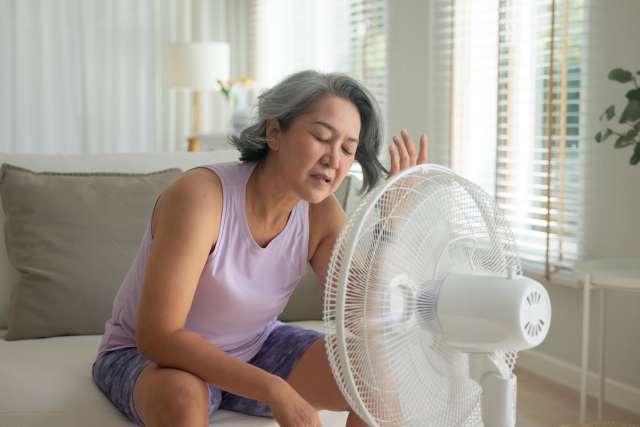
Heat waves can be uncomfortable. But fortunately, your body was built to manage temperature changes through a process called thermoregulation. When your body is too hot (or too cold), thermoregulation triggers your body to react accordingly to maintain your base body temperature.
In hot weather, sweating helps your body cool. Your blood vessels widen to bring warm blood closer to your skin's surface to release heat. You may also find yourself naturally seeking shade or moving more slowly to keep your core temperature at a comfortable level.
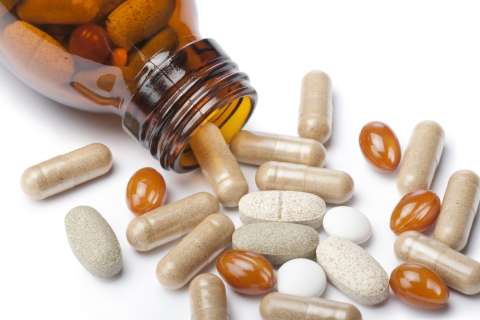
However, certain medications can impair how your body handles heat. With heat waves happening more often and lasting longer, knowing if and how your medications affect your ability to regulate body temperature can be critical for preventing heat-related illness.
Here's what you need to know:
How medication can change how your body responds to heat
Some medications can cause your body to overheat more quickly while reducing the signs of overheating and dehydration that are supposed to alert you to take action.
Certain medications can:
- Affect your blood flow and nerves so that your body holds onto heat
- Increase urination, which can lead to dehydration
- Limit your ability to sweat and cool your body
- Make skin more sensitive to the sun's ultraviolet (UV) rays
- Reduce your thirst sensation, increasing your risk of dehydration
What types of medication increase the risk for heat-related illness
Not all medications affect how your body responds to heat. But according to the Centers for Disease Control and Prevention (CDC), those that do tend to fall into one of several medication groups, including:
- Antiepileptic drugs, also known as anticonvulsants or seizure medications
- Antihistamines, used to treat allergies
- Antiretrovirals, used to treat and prevent human immunodeficiency virus (HIV)
- Cardiovascular medications, including blood pressure medications
- Diuretics, used for many health issues including heart conditions, edema (swelling), liver and kidney disease and glaucoma
- Over-the-counter pain relievers (analgesics)
- Psychiatric medications, including mood stabilizers, antipsychotics and drugs used to treat depression and anxiety
- Stimulants, often prescribed for attention deficit hyperactivity disorder (ADHD)
Some medications, such as retinols, antifungals and oral contraceptives, increase photosensitivity — your skin’s sensitivity to the sun — and make it more likely you’ll get a sunburn. While a sunburn is not considered a heat-related illness, it does increase your risk for heat-related illness.
How heat exposure can damage medication and impact medication delivery devices
While medications can affect how your body responds to heat, heat can also impact how well your medication — and the devices you use to administer it — work.
Heat exposure can affect the potency of some drugs. For instance, insulin should be refrigerated. If left in the heat for too long, it may not be as effective.
Drug delivery devices can also be impacted by high heat. Tools such as inhalers and EpiPens can burst or malfunction.
What you can do to protect yourself — and your medication — during a heat wave
One thing you should never do during a heat wave — or at any time — is suddenly stop your medications without first speaking to your healthcare provider.
The CDC recommends several ways you can help prevent medication issues in hot weather, such as:
- Review your medications with your primary care physician (PCP): They can identify concerning drugs and may suggest adjusting your dose or fluid intake during hot weather months.
- Learn how to manage medications in hot months: Know which drugs need to be refrigerated and never leave medications in places that can get really hot, such as your car.
- Recognize the signs that medication is affecting your heat response: If you are not sweating or are not thirsty, your medication could be an issue.
- Know the symptoms of heat-related illness: Get immediate medical help if you experience dizziness, confusion, nausea or vomiting, extreme fatigue or muscle cramps.
- Plan for extreme situations: Know how you will handle medication storage during HeatRisk days and power outages.