Strokes are a leading cause of death in this country. In fact, according to the Centers for Disease Control and Prevention, about every 40 seconds, someone in the U.S. is the victim of a potentially life-threatening stroke.
Luckily, there are ways to help prevent yourself from becoming one of those statistics. Our understanding of strokes — including how to treat and prevent them — has come a long way in recent years.
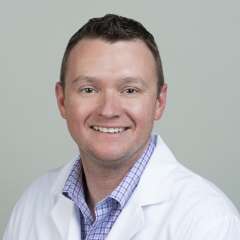
“We’re moving into the next frontier for stroke medicine,” says Jason Hinman, MD, PhD, a vascular neurologist at UCLA Health. “New research is helping us more precisely predict individualized risk for stroke.”
Learn how to accurately assess your stroke risk factors — and how controlling them can help prevent a stroke.
What is a stroke?
A stroke occurs when blood flow to the brain is interrupted. This can happen because a blood clot suddenly blocks an artery to the brain (ischemic stroke) or because a blood vessel ruptures and causes bleeding in the brain (hemorrhagic stroke). Ischemic strokes account for the vast majority of strokes (nearly 90%).
Typically, blood flow brings oxygen to the brain to support its functions. During a stroke, the brain’s blood supply — and oxygen supply — are reduced. Without oxygen, brain cells suffer damage. They can stop working temporarily, or even permanently.
Because of its impact on your brain, having a stroke can potentially affect almost any part of your brain and body functions. After a stroke, people can experience difficulties with swallowing, speaking, memory, motor skills and mobility.
The biggest stroke risk factors
“The biggest risk factor is one you can’t control,” says Dr. Hinman, “And that’s age. Risk of stroke does increase as you get older.”
Fortunately, there are other risk factors you can impact. These include:
- Atrial fibrillation (AFib)
- Diabetes
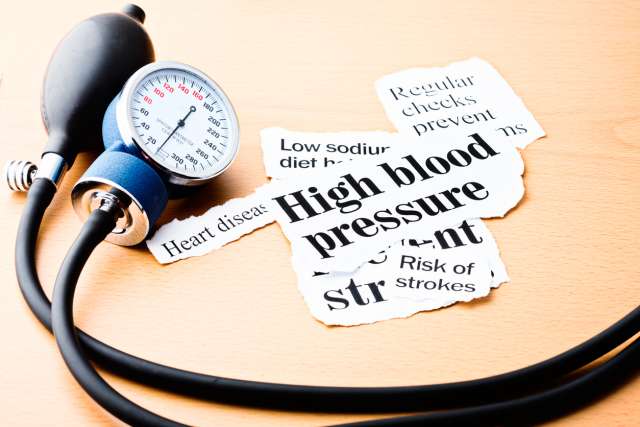
- High blood pressure
- High cholesterol
- Sedentary lifestyle
- Smoking and drinking alcohol
- Unhealthy diet
The importance of managing your stroke risk factors
“Lots of people have heart disease or other risk factors for stroke, but only a small number of them ever have a stroke,” says Dr. Hinman. “An important part of lowering your stroke risk comes down to how well you manage your risk factors.
“You need to work with your doctor and be very clear and honest with them about whether your risk factors are really under control,” he says. That means paying close attention to your blood pressure, blood sugar, weight, sleep, cholesterol levels and other health data.
In an age of home monitoring devices, wearable monitoring devices, tracking apps and more, it’s easier than ever to keep a close eye on this important data. “Some older people may be reluctant to adopt this technology, but the feedback it provides can prevent a disabling event like a stroke,” says Dr. Hinman.
Going to the doctor once or twice a year for checkups only provides your health care provider with a few data points. They then must make a treatment plan for your blood pressure, cholesterol or other conditions based on that limited data.
“When you’re self-monitoring on an ongoing basis and sharing that data with your provider, they get a much truer picture of how well your risk factors are controlled,” he says.
Stroke prevention strategies
The American Heart Association calls it “Life’s Essential 8.” These are the eight most important steps you can take every day to lower your risk of cardiovascular disease and stroke.
Dr. Hinman recommends following these guidelines, which include:
- Eating a heart-healthy diet that’s rich in fruits, vegetables, legumes, lean protein and healthy fats (such as avocados and olive oil)
- Being physically active every day
- Not smoking
- Getting healthy sleep, which typically means seven to nine hours each night. If your sleep quality is affected by conditions such as sleep apnea, it’s important to seek treatment.
- Maintaining a healthy weight
- Keeping cholesterol in check
- Managing blood sugar
- Controlling high blood pressure
Warning signs of a stroke
Because a stroke deprives your brain of oxygen, every second counts. If you or someone you love is at risk of stroke, it’s important to be aware of the key warning signs. To make it easier to remember, the National Stroke Foundation uses the acronym “BE FAST,” which stands for:
- Balance loss
- Eyesight changes
- Facial droop
- Arm weakness
- Speech difficulty
- Time to call 911
“In older people, the deficits aren’t always dramatic,” warns Dr. Hinman. “So pay attention to anything that doesn’t feel or look quite right — even if it doesn’t fit into one of those categories.”
The faster you seek emergency medical attention for a stroke, the better the outcome will be.