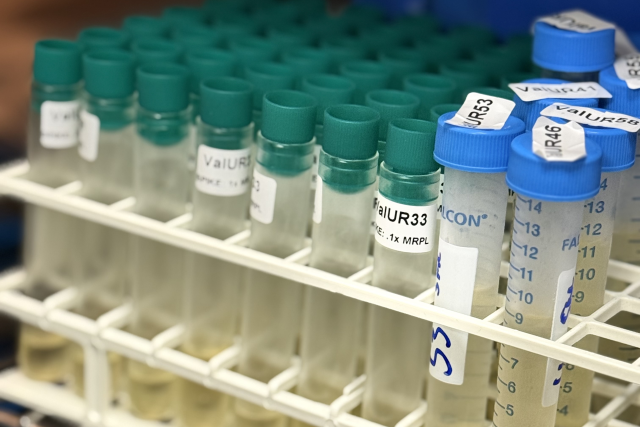
As a record 1,248 players from 48 countries prepare to play in World Cup matches across the U.S., Mexico and Canada, the scientists at UCLA’s Olympic Analytical Laboratory (OAL) are ready to work overtime.
Accredited by the World Anti-Doping Agency (WADA), the OAL is one of the biggest sports drug-testing facilities on Earth.
Founded in 1982, the Los Angeles-based lab has been trusted for decades by the International Olympic Committee and top sports organizations – including the National Collegiate Athletic Association, the National Football League and Major League Baseball – to test for the hundreds of substances WADA prohibits under its World Anti-Doping Code. OAL is part of the UCLA Department of Pathology and Laboratory Medicine.
The World Cup presents a significant challenge, says laboratory director Elizabeth Ahrens, as the International Federation of Association Football (FIFA) requires results in 48 hours, 10 times faster than the typical 20-day turnaround.
“It’s a really special thing to do something like the World Cup – to be trusted by FIFA, to be working under a time frame like that and getting them accurate results,” Ahrens says. “It really makes us all proud to be able to do this.”
The leading-edge laboratory employs 35 scientists and data analysts – all sports fans and many former athletes, Ahrens says – who perform a range of tests using sophisticated analytical equipment, including 16 specialized mass spectrometers, which detect molecules present in a sample.
“There’s a lot of science behind this,” says Sarah Dry, MD, chair of UCLA’s Department of Pathology and Laboratory Medicine, “and that science is important to keep sports fair for everybody.”
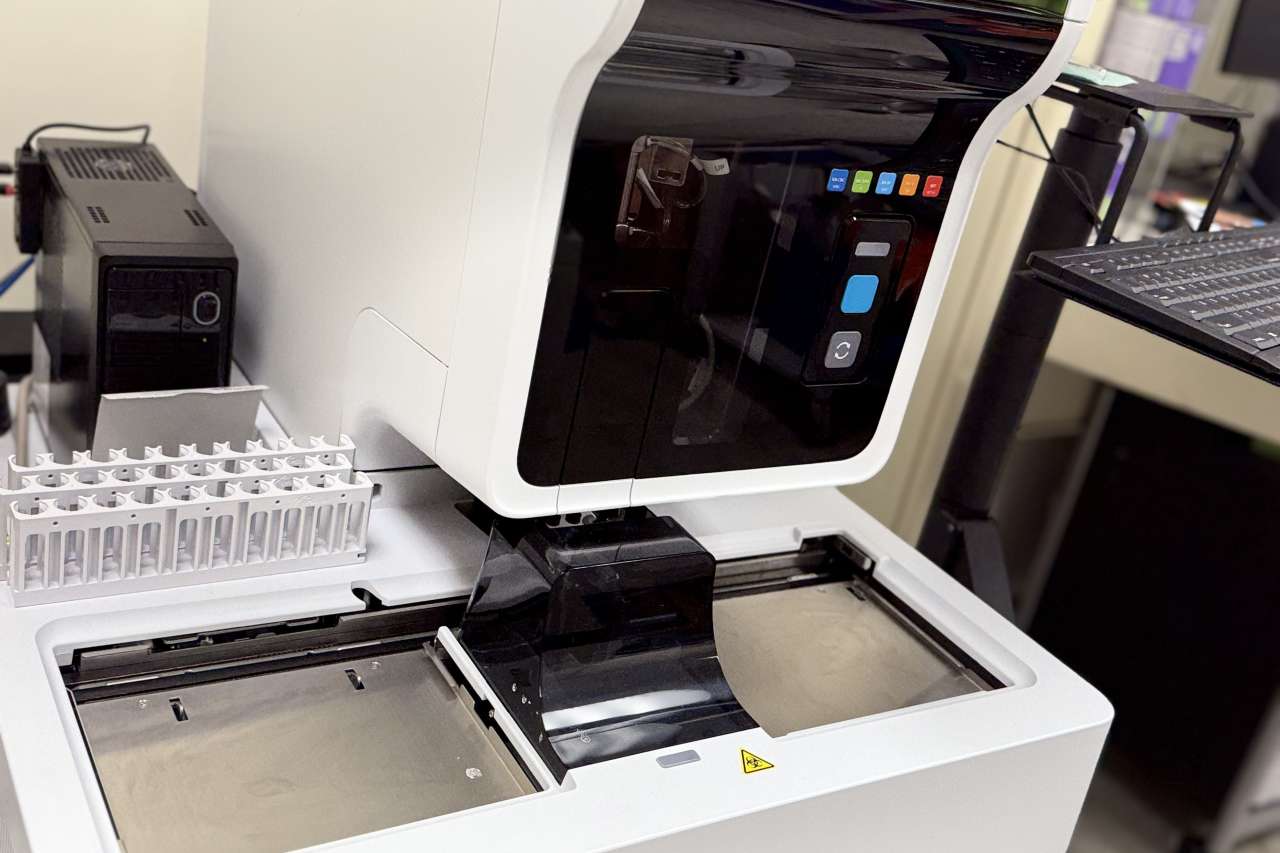
The OAL is one of 30 WADA-certified labs around the world and only two in the United States. It conducts about 45,000 tests a year, Dr. Dry says.
What are performance-enhancing drugs?
The UCLA lab and others like it analyze urine samples to look for a range of pharmacological substances, including various forms of steroids and muscle-building agents, peptide hormones and growth factors, diuretics, beta-2 agonists (which dilate the airways in the lungs) and hormone and metabolic moderators (which optimize cell function and energy production), plus other performance-enhancing methods such as gene and cell doping and blood manipulation.
Athletes have been known to get transfusions of their own blood to increase the number of red blood cells in their bloodstream, which boosts aerobic capacity and delays fatigue, Ahrens says.
The number and type of performance-enhancing substances and techniques have skyrocketed since Ahrens started working at OAL in 1990.
“When I first started, we were looking for let’s say 100 substances, and there could have been varieties of those substances,” she says. “And now we’re talking about – parent substances and metabolites – we’re approaching probably 1,000.”
Formulations of performance-enhancing drugs are always changing, and a tiny tweak could mean they no longer shows up in existing tests, Dr. Dry says. The investigative procedures are so specific that a slight change in the drug’s makeup could allow it to go undetected.
WADA-certified labs across the world share information about new performance-enhancing drugs discovered through testing. The OAL is seeking funding for an endowed chair who can spearhead the detective work of finding new and better ways to test for these agents, she adds.
Research suggests that worldwide prevalence of doping among athletes ranges from 5% to 31%. Anonymous surveys suggest even higher numbers.
“That exceeds the number of cases detected annually through conventional testing,” Dr. Dry says.
WADA statistics show that less than 1% of the approximately 300,000 samples collected in 2024 came back positive. The MLB reported that 11,609 tests were conducted among its 30 teams in 2024; three came back positive.
Whether that means fewer professional athletes are doping or their drug use is evading tests is unclear.
“History would suggest that someone, somewhere, is using performance enhancing drugs that cannot be detected by current testing methods,” says Dr. Dry.
In a high-profile case, baseball slugger Mark McGwire publicly admitted to using steroids and human growth hormone, another banned substance, during his record-breaking home run battle with Sammy Sosa in 1998. Similarly, Alex Rodriguez also admitted using testosterone and growth hormones during his professional baseball career. Jose Canseco, who played 17 seasons with MLB, said in his 2005 book, “Juiced,” that he used performance-enhancing drugs throughout his career and that steroid use was widespread in the sport.
How testing happens
According to the World Anti-Doping Code, athletes can be selected for testing anytime, at a competition or out of competition, without notice. Once notified, the athlete “must remain in direct observation” by a doping control officer “from the time of notification until the test has concluded,” according to the U.S. Anti-Doping Agency (USADA), an affiliate of WADA.
The doping control officer observes as the athlete provides two 90-milliliter (about 3 ounces) urine samples – one for initial testing, and the second for any follow-up testing in case of an adverse result. The athlete inspects the sample vessel and seals it for submission.
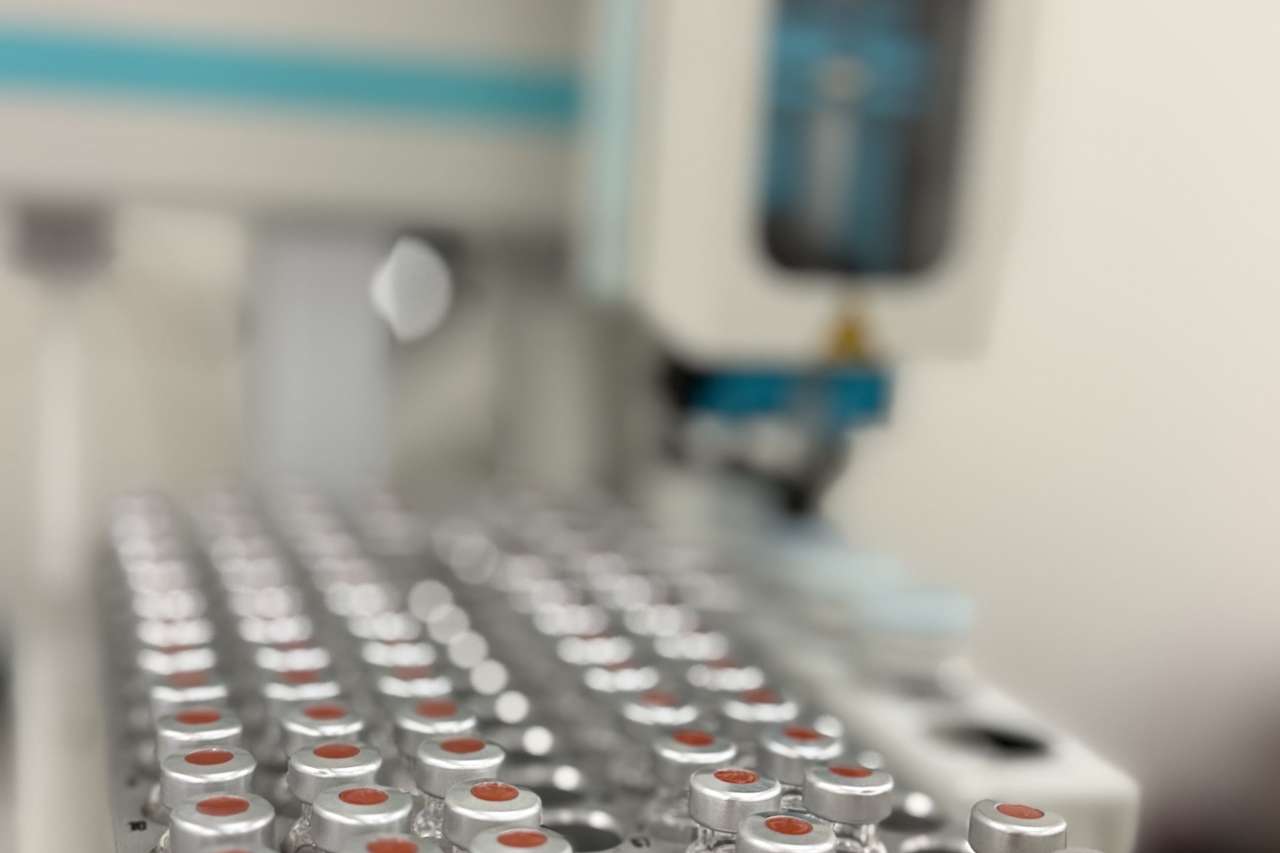
Urine samples arriving at UCLA’s laboratory and other WADA-certified facilities around the world are coded with numeric identification only – lab workers don’t know which athlete from which team submitted any sample.
Samples are kept in temperature-controlled units until testing begins.
Though many tests are performed, scientists often require a milliliter or less of a sample for each test. Older methods often required 10 or more times that amount, Ahrens says.
Should a test come back positive for a prohibited substance, athletes can be present during retesting of the second sample they provided.
Popular performance enhancers
The most popular performance-enhancing drugs are steroids, Ahrens says, which help with both strength and recovery. Among steroids, the most common is testosterone and its derivatives, she says, along with anabolic agents such as clenbuterol, which is a bronchodilator that also has muscle-building and fat-burning effects.
Stimulants are commonly found, she says, but don’t always constitute an adverse finding because they may be prescribed for conditions such as attention deficit hyperactivity disorder (ADHD). Athletes can secure a Therapeutic Use Exemption to take prescribed medications. In those cases, the amount of the substance found in the sample indicates whether it’s allowed or prohibited.
Another frequently found substance is EPO, or erythropoietin, which stimulates production of red blood cells and increases the oxygen-carrying capacity of the blood, Ahrens says. EPO abuse is more common in endurance competitions such as long-distance cycling, she says, where the drug can impart a “superhuman” ability to “go uphill at a speed that seems blistering for an ordinary, undrugged human being.”
In another high-profile public case, Lance Armstrong, who claimed seven Tour de France victories from 1999 to 2005, admitted in 2013 to doping. According to USADA, Armstrong used steroids, blood transfusions and EPO since 1998. The organization banned him from competition and invalidated his championships.
Finally, there are peptides, which can have multiple effects, such as synthesizing muscle tissue, changing the way the body generates or processes energy, or shifting metabolism to develop more lean muscle mass.
Ahrens says WADA prohibits substances for three reasons: they provide a competitive advantage, they are harmful to health and they’re against “the spirit of sport.” Yet she adds that athletes have said in surveys that if they could take something to improve their performance and not get caught, even if it would take years off their life, they would do it.
“That’s how driven I think you need to be in order to compete,” she says. “It has to be a horrible temptation for people.”
After World Cup, the Olympics
FIFA signed on to the World Anti-Doping Code and is partnering with USADA for the 2026 World Cup. Ahrens says the OAL staff is ready to work seven days a week to process players’ samples quickly during the 39-day event.
The lab will also continue to serve its regular clients, such as the NFL and MLB, during this time.
However, when the 2028 Olympic Games come to Los Angeles, OAL will be strictly focused on testing for those athletes, an International Olympic Committee requirement.
“For two weeks during the Olympic Games, we’re receiving as many samples in a day as this lab ordinarily receives during busy times of the year – but all of those samples require 48-hour turnaround time, even faster if necessary, and that includes some new, and highly complex techniques,” Ahrens says.
To process the workload, OAL will bring in scientists from other WADA-certified labs around the world. Ahrens was invited to support testing during the 2024 Summer Games in Paris and worked in Rome during the most recent Winter Games.
A love of sport fuels the work, she says.
“We focus all the time on making sure that, when we’re watching the games or we’re watching the World Cup, we’re seeing a true competition and not a competition of syringes,” she says. “We’re sports fans, we’re athletes, but we’re scientists, too, and we love it.”