
Hello again, dear readers! Welcome to a bonus edition of the letters column. It's lovely to be hearing from so many of you. We have two interesting follow-up questions to recent columns, so we'll dive right in.
When writing about the gut microbiome, we often discuss the benefits of eating naturally fermented foods. We heard from a reader who credits adding fermented foods to her diet with easing symptoms of diverticulitis. "I've been managing my condition very well with eating more fermented foods such as pickles, sauerkraut and yogurt, as well as drinking kombucha and kefir," she wrote. "I am also taking a multistrain probiotic. Several friends with my condition recommended this and it really helps. Why don't doctors advise patients of this solution? Why isn't the FDA evaluating this as an aid for diverticula?"
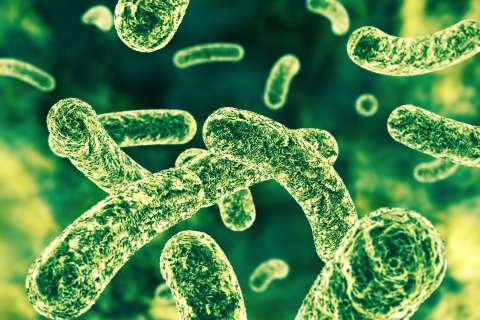
Diverticulitis begins with the formation of diverticula. These are small sacs or pouches that can develop along the colon wall. If they become infected or inflamed, it is known as diverticulitis. Although the exact cause of the condition is not yet known, researchers suspect a link to adverse changes in the gut microbiome. The types of fermented foods and beverages you added to your diet contain helpful bacteria. These may improve the composition and activity of the gut microbiome and help manage symptoms. In our experience, medical professionals often do advise patients on this approach. We are sorry it appears your own did not.
As for an FDA recommendation, the agency requires large, well-designed clinical trials to evaluate a medication or treatment for both efficacy and safety. At this time, the clinical trials needed to recommend probiotic foods and supplements as a treatment for diverticulitis have not been done.
We recently wrote about cramp-fasciculation syndrome, a rare neuromuscular disorder in which a person experiences persistent muscle twitching and painful cramping. We heard from a reader who has been living with the condition for several years. "I thought I would let you know that there is one more person out there with cramp-fasciculation syndrome," she wrote. "I have noticed that it changes with the seasons. The most difficult aspect is the cramping. My hands can become quite severe, causing my fingers to curl up. At times, my whole body is affected."
It is very kind of you to share this. People living with rare disorders can often feel isolated and alone. We suspect that other readers dealing with this challenging condition will appreciate hearing your story. Regarding the seasonal fluctuations you have, there is anecdotal evidence that changes in climate can affect symptoms. However, cramp-fasciculation syndrome can flare and recede on its own as well. This makes it difficult to determine whether seasonal changes are the cause, or if the condition is following its usual pattern of flares and remissions.
Thank you, as always, for taking the time to write. We love hearing from you. We look forward to hearing more of your thoughts and answering more of your questions.
(Send your questions to [email protected], or write: Ask the Doctors, c/o UCLA Health Sciences Media Relations, 10960 Wilshire Blvd., Suite 1955, Los Angeles, CA, 90024. Owing to the volume of mail, personal replies cannot be provided.)