Development of first-in-kind medical devices, FDA approvals and rollout into clinical use are changing lives of UCLA Health heart and cardiovascular patients.
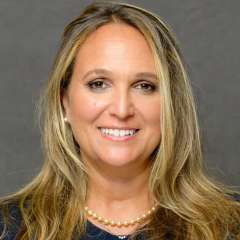
“This past year has seen an explosion in FDA approval for novel devices,” says Marcella Calfon Press, MD, PhD, an interventional/structural cardiologist and associate clinical professor of cardiology. “UCLA has been involved in every stage, from preclinical and clinical trials to actual clinical practice.”
UCLA holds a unique position in this device scenario thanks to several key factors. First, its Biodesign program mentors trainees, faculty, engineers and others to develop novel approaches and devices to fill unmet medical needs.
Second, UCLA participates in pioneering clinical trials, helping to move devices that are safe and validated through the Food and Drug Administration approval process. At the same time, UCLA Health provides patients with early access to these technologies.
Finally, because of its status as a high-volume, specialized center with expansive expertise across multiple relevant disciplines, UCLA Health safely and efficiently moves these devices into the community to ensure patients have access to breakthrough technology in a timely fashion.
Recent device approvals
“For many years, the tricuspid valve was understudied, underdiagnosed and underappreciated because technically it is a very challenging valve to approach,” explains Dr. Calfon Press. “Many patients with leaky tricuspid valves present with vague symptoms and are diagnosed late in presentation. The surgical outcomes for these valves are associated with increased in-hospital mortality.”
The recently published TRILUMINATE trial led the FDA to approve Transcatheter Edge-to-Edge Repair (TEER) as a transcatheter strategy to treat patients with severe symptomatic tricuspid regurgitation. Additionally, the TRISCEND II trial published earlier this year led to approval of the EVOQUE tricuspid valve replacement system, the first to gain approval in the U.S. for patients with symptomatic severe tricuspid regurgitation. The trial showed the device significantly reduces tricuspid regurgitation and improves quality of life for patients.
“These devices were fast-tracked through the FDA for approval because there’s such an unmet clinical need for transcatheter therapies for the tricuspid valve,” says Dr. Calfon Press.
News is just as encouraging on the mitral side, says Dr. Calfon Press, as ongoing evidence shows long-term benefits of mitral TEER in patients with severe symptomatic mitral regurgitation, a procedure which was FDA approved several years ago to treat symptomatic mitral regurgitation in patients who are at increased surgical risk.
Mitral TEER is a transcutaneous procedure used to treat leaky mitral valves. In this procedure, a catheter is inserted through a blood vessel, then a device clips the mitral valve leaflets together, improving their ability to close and reducing the backward regurgitation of blood. This relieves symptoms and stress on the heart caused by the leakage.
The Tendyne transcatheter mitral valve replacement system, approved by the FDA in May, is another recent breakthrough. Specifically for patients with severe mitral valve disease at high risk for open-heart surgery, this minimally invasive system provides a method to replace a failing mitral valve without open-heart surgery or in patients who are not candidates for a repair procedure.
Expanding knowledge
“One of the most fascinating things about this field is the symbiotic relationship between devices and medicine,” notes Dr. Calfon Press.
She says as work starts on designing a new device, those involved invariably emerge with a deeper understanding of the medical condition the device seeks to address.
“Devices have taught us a lot. As a field, we understand mitral and tricuspid pathology much more now than we did five years ago,” says Dr. Calfon Press. “In fact, we have even started to reclassify disease states.”
For example, she says, experts have reclassified how tricuspid regurgitation is defined “because now we realize no valve is the same, and every valve is way more complicated than we ever thought.”
She notes they’ve learned most patients have four or five tricuspid leaflets through in-depth imaging of these valves in device planning. In addition, regurgitation used to be called “severe” for tricuspid, but now there are new categories such as “massive” and “torrential.” “It’s amazing to see how we’ve evolved to understand valve disease through the lens of a device,” says Dr. Calfon Press.
Helping higher-risk patients
Because UCLA Health is a tertiary referral center, it routinely handles a large population of patients with risk-prone structural heart disease. The adult congenital heart disease program is one example.
“Many of these patients have undergone multiple surgeries since childhood and have unique hearts,” explains Dr. Calfon Press. “We’ve worked with our adult congenital heart team led by Jamil Aboulhosn, MD, to apply new transcatheter technologies that have never been studied in this population simply because these cases are so infrequent and complex.”
Currently, experts at UCLA Health are working to help create a registry of patients with complex congenital heart disease who have undergone advanced transcatheter edge repair.
“We’re proud to be able to apply technology to patient populations that otherwise would not have access to these devices and who have limited alternative options,” says Dr. Calfon Press.
Furthermore, because UCLA Health is a large transplant center, a high-volume center for cardiogenic shock and has facilities for extracorporeal membrane oxygenation (ECMO), among other services, it has expanded the application of leading-edge devices in unique scenarios and with patients who come in with no other options.
“It’s important that we educate our community and referring providers to the benefits of these devices, early diagnosis and management, and a multidisciplinary team of doctors from different specialties. The field has become quite specialized in terms of these disease states,” stresses Dr. Calfon Press.
“At UCLA, we have outstanding heart failure, transplant, cardiac surgery, anesthesia, cardiac imaging, interventional/structural cardiology and electrophysiology teams all working together like clockwork,” she says. “That’s the key to program success. It takes a village.”