A multidisciplinary UCLA research team has received the inaugural Early Detection Award from the LUNGevity Foundation and the Rising Tide Foundation for Clinical Cancer Research. The $1 million award will support the development of a noninvasive approach to determine whether indeterminate pulmonary nodules, or small spots found on lung CT scans, are cancerous.
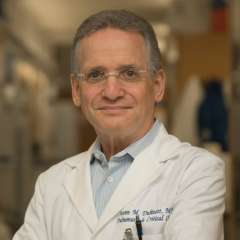
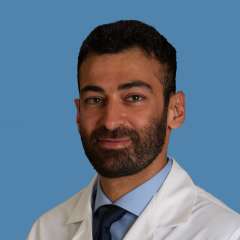
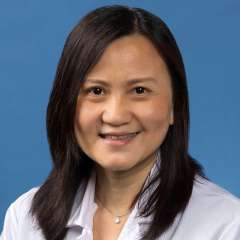
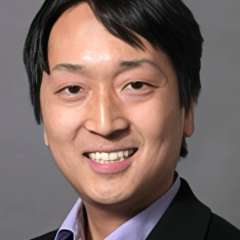
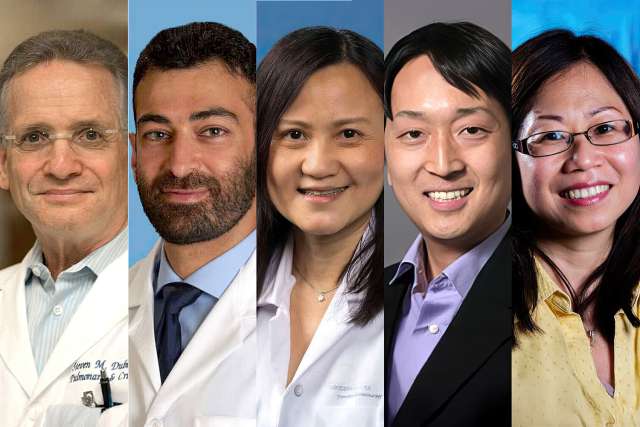
The research brings together experts in cancer biology, pulmonary medicine, computational imaging, artificial intelligence, and molecular diagnostics. Led by Steven Dubinett, MD, and including Ramin Salehi-Rad, MD, PhD, Xianghong J. Zhou, PhD, William Hsu, PhD, and Linh M. Tran, PhD, the team will address a major challenge in lung cancer diagnosis and management.
More than 1.5 million people in the United States are found each year to have an indeterminate pulmonary nodule, and it can be difficult to determine whether these nodules are cancerous. While most nodules are benign, uncertainty often leads to invasive procedures that ultimately prove unnecessary, while in other cases diagnosis and treatment may be delayed. Lung cancer remains the leading cause of cancer-related death in the United States, making early and accurate detection critical to improving patient outcomes. The UCLA team aims to provide clinicians with a more accurate tool to identify patients who require prompt evaluation while helping others avoid unnecessary invasive testing.
The three-year study will combine advanced CT imaging analysis with a blood-based test to improve assessment of lung cancer risk. By integrating radiomics, which uses computational methods to identify patterns in medical images, with analysis of cell-free DNA methylation in the blood, the investigators seek to develop a more precise and non-invasive approach for evaluating pulmonary nodules. The goal is to generate a more comprehensive assessment than either imaging or molecular testing alone can provide.
The team will validate the approach in 500 patients receiving care at UCLA Health and Veterans Affairs medical centers. Their goal is to determine whether combining imaging and molecular biomarkers can improve risk stratification, support earlier and more accurate clinical decision-making, and reduce unnecessary biopsies or surgery. If successful, the approach could help clinicians more accurately identify patients who need timely intervention while sparing others from avoidable procedures.
“This award recognizes the power of team science and the value of bringing together experts from multiple disciplines to tackle a critical problem in lung cancer detection,” said Dr. Dubinett, dean of the David Geffen School of Medicine at UCLA, Associate Vice Chancellor for Research at UCLA and an investigator at the UCLA Health Jonsson Comprehensive Cancer Center. “By integrating advances in imaging science, artificial intelligence, and molecular diagnostics, we hope to improve assessment of pulmonary nodules and help ensure that patients receive the right care at the right time.”