Researchers from the UCLA Health Jonsson Comprehensive Cancer Center have received a $1.2 million grant from the University of California Tobacco-Related Disease Research Program to investigate whether a widely used diabetes medication could help slow the growth of early-stage lung adenocarcinoma before surgery and potentially prevent future lung cancers.
Although lung cancer screening can detect tumors at an early stage, when they can often be removed surgically, patients remain at increased risk of developing another lung cancer. Researchers are seeking new approaches to slow the progression of early disease and reduce the risk of future cancers.
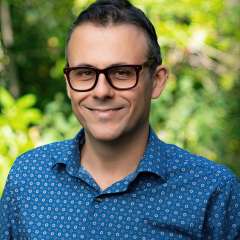
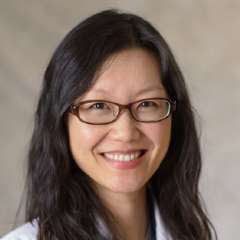
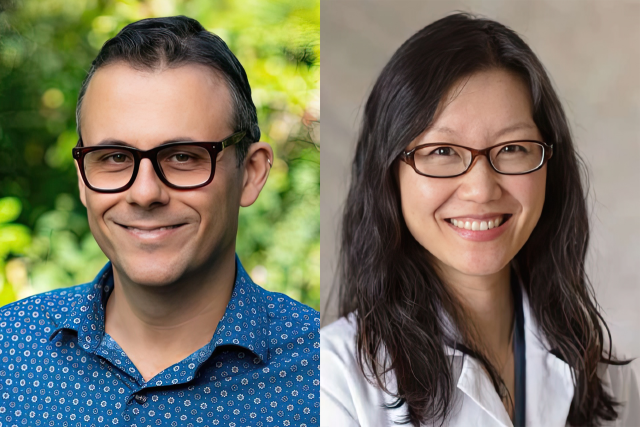
With the funding, the team, led by Dr. Claudio Scafoglio, associate professor of pulmonary and critical care medicine at UCLA, and Dr. Jane Yanagawa, health sciences clinical professor of thoracic surgery at UCLA, will conduct a clinical trial evaluating dapagliflozin, an FDA-approved SGLT2 inhibitor used to treat type 2 diabetes, in patients with early-stage lung adenocarcinoma scheduled to undergo surgery. Participants will receive the medication for 30 days before surgery, allowing researchers to compare tumor samples collected before and after treatment to determine whether the drug reduces cancer cell growth and produces measurable biological changes in tumors.
Previous laboratory studies by the investigators found that SGLT2 inhibitors delayed the development of lung adenocarcinoma in preclinical models. This clinical trial will help determine whether those findings translate to patients and could provide the evidence needed to support larger studies evaluating these medications as a strategy to prevent lung cancer progression or reduce the risk of future lung cancers.
“If the drug proves to be safe and shows signs that it can slow the growth of early lung cancer, it could open the door to a new treatment strategy for patients who have multiple lung lesions or are at risk for developing cancer even after surgery,” Scafoglio said. "Because dapagliflozin is already FDA approved and has a well-established safety profile, promising results from this study could accelerate larger clinical trials and move us closer to a new way of preventing lung cancer progression."
Co-investigators are Dr. Edward Garon, Dr. Amy Cummings, Dr. Robert Suh, Dr. Gregory Fishbein, Dr. Dororthy Martinez, Dr. Steven Dubinett, Dr. Linh Tran, Dr. David Elashoff, Dr. Ramin Salehi-Rad, Dr. Fereidoun Abtin and Dr. Ashley Prosper.