If you’ve experienced a bad fall — or even a minor one — it can be tough to feel steady on your feet again. Feeling confident is both a mental and physical game. You need to overcome the fear and have the physical strength and balance to back it up.
The good news is that many falls are preventable. Building muscle strength, improving your balance, removing trip hazards in your home and other simple tips can help keep you on your feet.
Why are older adults at high risk of falling?
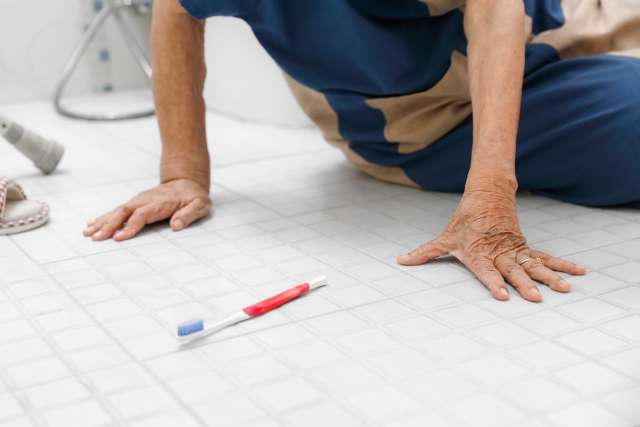
Every year, as many as 1 million adults (age 65 or older) wind up in the hospital after a fall. Broken hips are the most common result, but a bad fall can even lead to traumatic brain injury or death.
As we age, many factors come into play that can increase the risk of falling. These can include:
- Balance issues
- Foot pain
- Lack of mobility
- Medication side effects
- Muscle weakness
- Vision problems
How fear of falling increases your risk of falling
Given the statistics and the risk factors inherent to aging, it’s no surprise many older adults are afraid of falling. And if you’ve already experienced a fall, the fear is all too real. According to some research looking at adults over age 72, after a fall, you’re 66% more likely to fall again within a year.
The problem can easily become a self-fulfilling prophecy. The more you fear falling, the more tentative your movements become and the more you avoid many activities. When you become less active, you lose confidence as well as muscle strength. Over time, that combination can increase your risk of falling — and make your fear a reality.
Recovering strength — and confidence — after a fall
If you’ve had a fall, the first step is recovering from any injuries you sustained. Once you’ve healed, it’s time to start working on regaining your strength to help prevent future falls.
Working with a physical therapist may be part of your fall recovery and injury rehabilitation. They can help identify muscle weakness and imbalances that increase your risk of falling. Then they can put together a program of exercises to help you address them.
The psychological fear can be harder to address. But talking to your doctor about your concerns as you build physical strength can help you regain the confidence you need to be active again.
Tips to improve your balance
Balance training is often neglected, even by people who are fit and active. And as we age, balance becomes an important part of your fall-prevention strategy. The better your balance, the better your chances of staying on your feet.
Improving your balance doesn’t require fancy equipment or special classes. There are many ways you can work on better balance at home, including:
- Doing yoga or tai chi
- Practicing standing on one foot at a time (do this next to a wall or something you can hold onto if needed)
- Walking on uneven surfaces – once you feel confident enough in your balance
More fall-prevention strategies
Building balance, physical strength and mental confidence are important ways to help prevent falls. But even with all of that in place, falls can still happen. You can give yourself an additional layer of protection against falling by using a few simple strategies.
These can include:
- Brightening up the lighting: When you can’t see your surroundings clearly, it’s easier to trip over things or bump into them.
- Employing assistive devices: Using a cane, hiking poles or a walker can help keep you active and lower your risk of falling.
- Uncluttering your living space: Make sure you have a clear, easily navigable passage through your rooms, around your bed and into the bathroom. Clearing the floor of throw rugs can also help prevent slipping, tripping and falling.
- Wearing sensible footwear: Sturdy, well-fitting shoes with good treads help keep you steadier on your feet.
Don’t let fear of falling keep you from being active and doing the things you love.