
Osteoarthritis (OA) is a disease that affects the joints, where two or more bones meet. Normally, the ends of bones are covered in soft cartilage that lets them glide smoothly. But in OA, the cartilage slowly breaks down, like tread wearing off a tire. The bone underneath can also get damaged. These changes can cause pain, stiffness and swelling.
Many people don’t know they have OA until a minor injury or ongoing pain sends them to the doctor. Often, their X-rays show signs of joint damage that have been there for years.
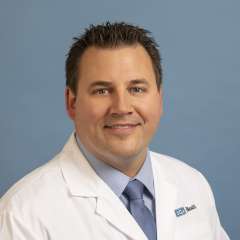
“People often describe it as ‘wear and tear’ arthritis. But it’s more than simple aging,” says Thomas J. Kremen, MD, an orthopedic surgeon at UCLA Health. OA can affect any joint in the body, especially the knees, hips and hands. “It gets harder to move and it can really impact your activities.”
About 32 million Americans have OA. It’s the most common form of arthritis, and there’s no cure. Treatments such as shots and surgery may help with pain, but they can’t regrow cartilage or bone.
The Advanced Research Projects Agency for Health (ARPA-H) is funding new research to change that. Its Novel Innovations for Tissue Regeneration in Osteoarthritis (NITRO) program aims to find biologic treatments that can repair joints. UCLA Health is part of a research team that could receive $33 million or more from ARPA-H over five years.
“We’re working at an extremely fast pace to try to bring these things to patients,” Dr. Kremen says. “It’s really exciting, personally and professionally.”
UCLA Health is working with Duke University and Boston Children’s Hospital, and the team so far has met all of its monthly goals. Out of five original NITRO groups, three were selected to move forward into the next phase of the research program.
UCLA Health’s team is the only research team to have three separate therapies selected for further funding. The first is a shot to treat bone damage. The second is a shot for cartilage damage in a single joint. The third is a shot that travels through the bloodstream to treat multiple damaged joints in the body.
It can often take decades to develop a new drug, but the NITRO program is going much faster than normal. The next milestone is a clinical trial to test the new treatments in patients. Enrollment is on track to begin at UCLA Health in October 2027.
Today’s treatments fall short
OA usually affects people who are middle-age and older. You’re more likely to develop OA if a close family member has it. A past injury or higher body weight can also raise your risk.
With OA, everyday activities such as reaching overhead can be painful. It’s a top cause of disability in the U.S., and not everyone has the same access to treatment. Living with OA can also be expensive. On average, OA costs about $11,000 per patient annually in medical care, which insurance may help cover.
Current treatments focus on OA symptoms, not its root cause. Options include physical therapy, weight loss, anti-inflammatory medications, bracing, and activity changes.
“Instead of basketball, maybe you switch to something like riding a bike,” explains Dr. Kremen. But he adds, “As a sports medicine physician, I don’t like to tell people that they can’t do something.”
If simple lifestyle adjustments don’t help, shots are another option. Corticosteroid shots can lessen swelling and pain. Hyaluronic acid or “gel” shots can make the joints more slippery and easier to move. Platelet-rich plasma (also called PRP) shots may also provide some pain relief. But shots can’t regrow living tissue.
Many people with OA would benefit from joint replacement surgery, where damaged parts are replaced with metal and plastic. Recovery can take months or years, and the artificial parts can wear out over time.
“Pain relief is the thing that’s front and center in most people’s minds when you talk about a therapy for OA,” says Dr. Kremen. “But that’s not really the long game. We want to see tissue regeneration and restoration of function.”
Moving toward a cure
UCLA Health has two key roles in the ARPA-H project. First, about half of the technology was developed on site. Biologist Karen Lyons, PhD, and her lab study how cartilage and bones form inside the body. UCLA Health also will lead patient testing.
The location of the clinical trial matters, says Dr. Kremen.
“When you roll out a clinical trial, you want to make sure your therapy doesn’t work in just one subset of people – you want it to work in everybody,” Dr. Kremen points out. Los Angeles is the second biggest city in the U.S. and has a diverse population. UCLA Health is also part of a large research network. That will help recruit patients of different ages, genders and backgrounds.
Dr. Kremen encourages people living with OA to think beyond temporary pain relief. The bigger goal is to restore joint health and get back to an active lifestyle.
“Each month that goes by, we take another step toward where we want to be,” he says.
Related article
Challenge accepted: UCLA Health team works at warp speed to defeat osteoarthritis