Dear Doctors: We live near Washington, D.C., in the path of wildfire smoke from Canada. Since the smoke traveled so far, is it still a danger to health? My husband spends a lot of time outside for work, and I am worried. Should he be wearing a mask?
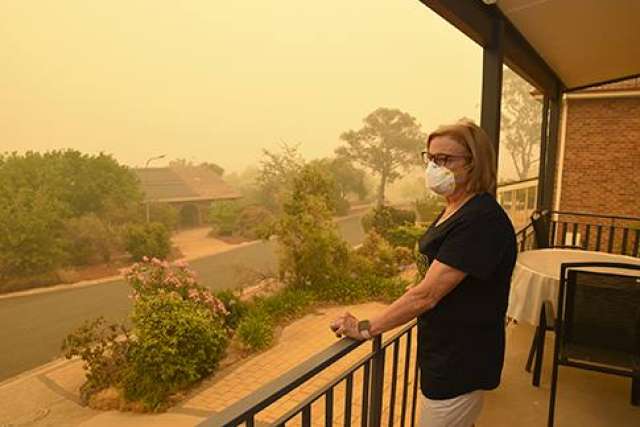
Dear Reader: Unfortunately, yes. Even when you live far from the source of a wildfire, the smoke can be a significant health risk. The extreme heat of these fires creates convection columns that lift smoke high into the atmosphere. The smoke can get caught in the jet stream, then travel thousands of miles from its source. When it drifts back to Earth, the problems begin.
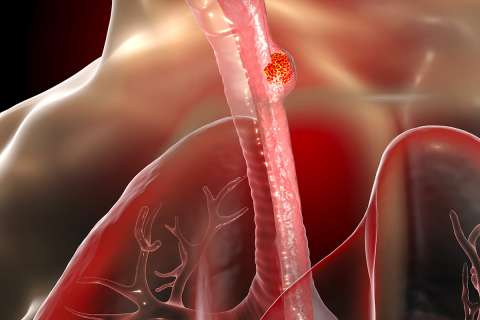
Wildfire smoke contains billions of tiny particles. When you inhale these particles, they can penetrate deep into the lower respiratory tract. This can damage delicate tissues. Smoke also contains elevated levels of unhealthy gases, including carbon monoxide, nitrogen oxides and ozone. In urban areas, the smoke can mix with existing pollutants and create new compounds that are hazardous.
Exposure can worsen chronic respiratory conditions such as asthma and chronic obstructive pulmonary disease (COPD). Many of the particles in wildfire smoke are so tiny -- 2.5 microns or less -- that they can enter the bloodstream. This can trigger inflammation throughout the body and harm cardiovascular health. Even brief exposure has been linked to a higher risk of heart attack. Older adults, infants, very young children and people who are medically fragile have a higher risk of ill effects.
It is important to take the threat posed by wildfire smoke seriously and take appropriate precautions. Keep track of daily air quality ratings in your area to assess your risk. When levels are high, stay indoors as much as possible. If you must spend time outside, keep your activity as light as you can. When you get home, don’t add to indoor pollution. You can do this by changing your clothes, washing your outdoor gear and taking a shower.
Take steps to protect indoor air quality as well. Don’t vacuum or dust -- this stirs up particles. Don’t burn candles or use aerosol sprays, which add to indoor pollution. If your home has central air conditioning with a HEPA filter, use it. Some window units can draw outside air into the house. Check whether yours has a fresh air vent, and keep it closed if it does. People who live in wildfire smoke corridors can also benefit from using air purifiers.
If you must spend extended time outdoors, wear a mask. Only N95 and N100 masks block the tiny particles in smoke. The mask should fit snug, with no gaps that let in outside air. Because these masks impede breathing, use models with an exhalation valve. Anyone who relies on a rescue inhaler should have it ready to use.
You cannot completely avoid the health risks of wildfire smoke. But a combination of precautions will go a long way toward keeping you and your family safer.
(Send your questions to [email protected], or write: Ask the Doctors, c/o UCLA Health Sciences Media Relations, 10960 Wilshire Blvd., Suite 1955, Los Angeles, CA, 90024. Owing to the volume of mail, personal replies cannot be provided.)