
Q: What do the new guidelines say about saturated fats?
A: The continued recommendation to limit saturated fat to less than 10% of total daily calories is a strong and consistent message. However, the newer framing around higher-fat meat and dairy may feel confusing for some people, as diets high in animal-based saturated fat can make it harder to stay within that recommended limit without careful planning.
Q: What’s positive about the guidance on sugar and whole foods?
A: The ongoing emphasis on whole foods and reducing added sugar is one of the clearest strengths of the guidelines. Added sugars should still account for less than 10% of daily calories—about 50 grams per day on a 2,000-calorie diet, which can nearly be met with a single 12-ounce soda. High intake of added sugars is linked to increased risk of chronic diseases. I am hoping that with these guidelines, there will naturally be an increase in fruit and vegetable consumption, which will help address widespread fiber shortfalls among Americans.
Q: Why is protein intake getting more attention?
A: Encouraging higher protein intake aligns with emerging research, especially for older adults. Protein needs tend to increase with age to help prevent muscle loss and support strength and physical function. The guidelines reflect this shift, but it’s important to remember that these are
general recommendations meant for the broader population.
Q: Are higher protein recommendations appropriate for everyone?
A: Not necessarily. While many people may benefit from increased protein intake, individuals with certain medical conditions—such as chronic kidney disease—may need to limit protein. Before making major dietary changes, it’s important to consult with a registered dietitian and a physician to tailor recommendations based on medical history, activity level, and lifestyle.
Q: Do the guidelines include plant-based protein options?
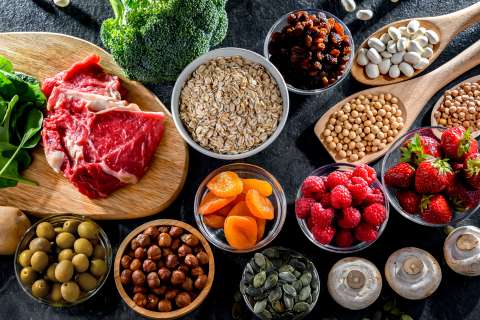
A: Yes, although this may not be immediately clear from the visual materials. The detailed guidance supports including whole-food, plant-based proteins alongside animal sources. Incorporating plant proteins such as beans, lentils, tofu, and nuts can also help boost fiber intake, which remains a key nutritional gap.
Q: What do the guidelines say about yogurt and dairy?
A: Encouraging yogurt intake is a positive step, particularly for supporting gut health and the microbiome. While the guidelines highlight full-fat yogurt options, this does not mean low-fat or non-fat dairy is excluded. Choosing between them is a personal decision based on taste preferences, calorie needs, and individual health goals.
Q: Are there any risks to following the new guidelines?
A: The main risk lies in applying broad recommendations without personalization. Current protein guidance suggests intake in the range of 1.2–1.6 grams per kilogram of body weight per day, with 1.2 g/kg/day often a reasonable starting point for older adults. However, without professional guidance, increasing protein intake could be problematic for individuals with certain health conditions.
Q: What's an important nutrient people should not overlook?
A: Fiber remains essential and is often under-consumed. A balanced approach that prioritizes whole foods—adequate protein from animal or plant sources, healthy fats, fruits, vegetables, and minimally processed carbohydrates—helps support digestion and reduce chronic disease risk. Keeping fiber front and center is key to making the guidelines work in real life.