
Your tongue has a rough surface that contains thousands of small, raised bumps called papillae. Those bumps help grip your food when you chew. They also contain your taste buds.
But that's not all you'll find on the surface of your tongue. Bacteria, dead cells and bits of food can get trapped between those little bumps. If the buildup becomes severe, it can cause bad breath (halitosis) and possibly lead to oral disease. Not to mention, poor oral hygiene can have a negative effect on your overall health.
Cleaning your tongue may help, though it's not considered a necessary part of oral hygiene. One way to clean your tongue is to brush it with your toothbrush, but scraping your tongue may be more effective.
What is tongue scraping?
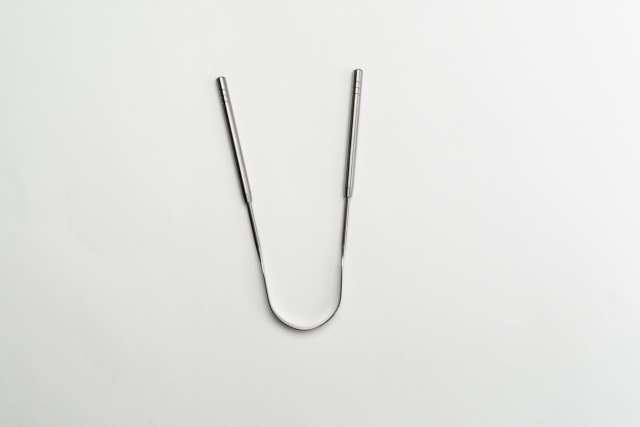
A tongue scraper is a thin, flexible tool that you glide across the surface of your tongue, from back to front. It scrapes off bacteria, food particles and other debris.
Tongue scrapers are typically made from plastic or metal. Metal scrapers are sturdier and may last longer, while plastic scrapers can be more comfortable. With either type, plan to use it gently and make three or four passes across your tongue. The goal is to scrape off the outermost layer of debris on your tongue's surface while keeping your oral microbiome intact.
Gentle scraping is key because the back of your tongue is home to bacteria that convert compounds in leafy greens into nitric oxide, which supports healthy blood pressure. Research suggests that aggressively disrupting the oral microbiome (as seen in studies of antiseptic mouthwash) can interfere with this process and raise blood pressure.
Potential benefits of tongue scraping
The American Dental Association does not list tongue cleaning as a necessary step in oral hygiene. However, there is some scientific data suggesting that tongue scraping may be worth the effort, because it may:
Improve bad breath
In healthy people, the food and bacteria that build up on the tongue's surface are reported as one of the main causes of bad breath. Reducing the tongue coating should reduce halitosis.
However, how you reduce your tongue's coating can matter. Older research reports that using a tongue scraper reduces 30% more halitosis-causing compounds than brushing your tongue with a toothbrush.
A 2018 study of people with gingivitis (gum disease) found that oral hygiene regimens that included tongue scraping led to significant reductions in bad breath. Tongue scraping was associated with:
- Better breath ratings
- Less tongue coating
- Lower levels of the sulfur-containing compound that causes bad breath
Boost oral hygiene
The bacteria that gather on your tongue's surface can lead to the development of tooth decay and gum inflammation. Scraping that bacteria off your tongue can help keep your mouth healthy and reduce the risk of tooth decay and oral conditions, such as gingivitis and periodontal disease (infection and inflammation of the gums and bones of the mouth). Research shows that tongue scraping is effective at removing a substantial amount of tongue coating.
More conclusive evidence is needed, and it's important to note that not all the bacteria on your tongue are bad for you. Some may have positive effects on your health. The good news is that tongue scraping does not remove all bacteria from the surface. But it can help keep the bad bacteria under control.
Help with swallowing and respiratory function in older adults
It's not uncommon for older adults to develop poor oral hygiene and oral frailty — poor tongue motor function, tongue pressure and swallowing function. An increased tongue coating is also associated with an increased risk of aspiration pneumonia in older adults.
Some experts suggest that stimulating the tongue by cleaning it may also stimulate respiratory muscles. One review suggests that regular cleaning that reduces the tongue coating may improve tongue pressure, swallowing and respiratory function.
Tongue cleaning: the bottom line
Tongue cleaning may not be necessary, but it can be a good way to promote a healthier mouth. Tongue scraping is likely a more effective way to clean your tongue and reduce bad breath than brushing, but both can help reduce bacteria.
If you are thinking about tongue scraping, talk to your primary care physician or dentist first. They will take your oral hygiene habits, dental history and chronic conditions into account when making a recommendation.