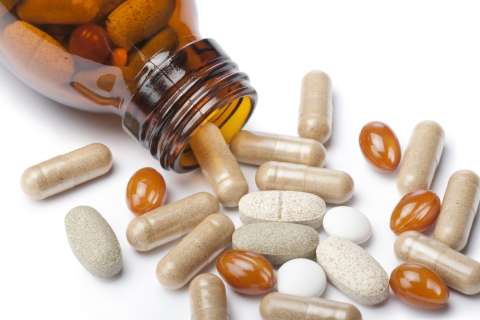
The message that you need high calcium intake to maintain bone strength is one you’ve likely heard numerous times. And maybe you took it to mean that you need to take a calcium supplement to protect your bone health.
According to the National Institutes of Health (NIH) Office on Dietary Supplements, 22% of men and 32% of women take calcium supplements daily. That number likely rises significantly in older women who worry about how bone loss speeds up after menopause.
But calcium supplements are not the only — or even the best — way to get the calcium your body needs.
How calcium supports bone health
Calcium is a mineral that plays several important roles in the health of your body. The most important by far is building and maintaining bone strength.
Bones are made up partly of a type of calcium called calcium phosphate. Because the body can’t make its own calcium, you need to consume it to have enough to build strong bones.
Bones aren’t the only body parts that benefit from enough calcium in your diet. Your muscles, nerves and heart all rely on calcium to help them function properly.
How much calcium do I need?
Calcium needs differ by gender and change over time. Generally, you need the most calcium in your younger years (when bones are growing and building) and your older years (when bones can become more fragile).
Women between 19 and 50 years old and men 19 to 70 years old need 1,000 milligrams of calcium per day. And women older than 50 and men older than 70 need 1,200 milligrams daily.
What are the risks of taking calcium supplements?
In recent years, calcium supplements have fallen slightly out of favor thanks to some possible adverse health effects. It’s not clear whether supplements themselves are to blame or the fact that taking supplements may lead to getting too much calcium in your diet.
According to the National Institutes of Health Office of Dietary Supplements, the safe upper limit for adults 50 and older is 2,000 milligrams per day. If you take a supplement that provides 1,000 milligrams (or more) and eat a diet that also provides adequate calcium, the combined total could put you in excess.
Consuming excessive amounts of calcium can increase your risk of developing kidney stones. And if you have hypercalcemia (a condition that causes calcium to build up in your blood), you should also avoid taking supplemental calcium.
To date, there isn’t a clear consensus about how calcium supplements affect your heart. Some studies have shown that calcium supplements can increase risk of heart disease, but other studies have found that supplements aren’t associated with increased risk. If you’re concerned about the possible effects of taking calcium supplements, you should discuss it with your doctor.
Choose foods high in calcium over supplements
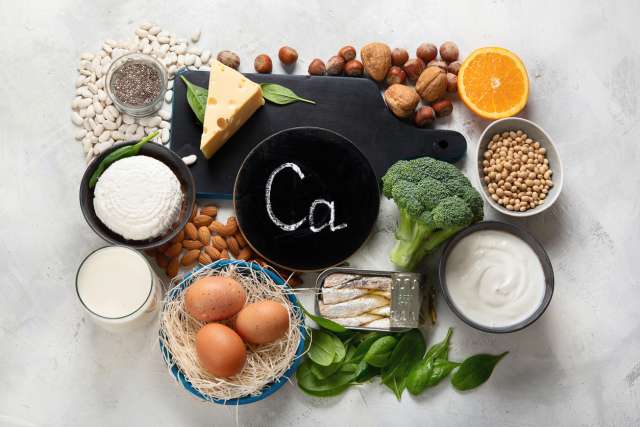
If you need to boost your daily calcium intake to help protect your bones, focus on these calcium-rich foods:
- Dairy products (such as milk, cheese and yogurt)
- Fish with small, soft bones (that you can eat), including sardines and canned salmon
- Fortified products, including cereals, orange juice and plant-based milks
- Leafy green vegetables
- Soy products, including tofu
Other ways to build and maintain bone density
Calcium isn’t the only important factor for building and maintaining strong bones. You also need to put some stress on your bones. That stress comes from regular exercise. The three types of exercise you need to boost bone health are:
- Weight-bearing exercise: This includes walking, jogging, racquet sports and dancing.
- Resistance training: Strength training (lifting weights or bodyweight moves) builds muscles and bone strength.
- Balance training: Improving your balance prevents falls and helps protect bones.
If you’re concerned about your calcium intake but not sure about using supplements, talk to your doctor. They can help you find the right combination of diet and lifestyle approaches to maximize your bone health.