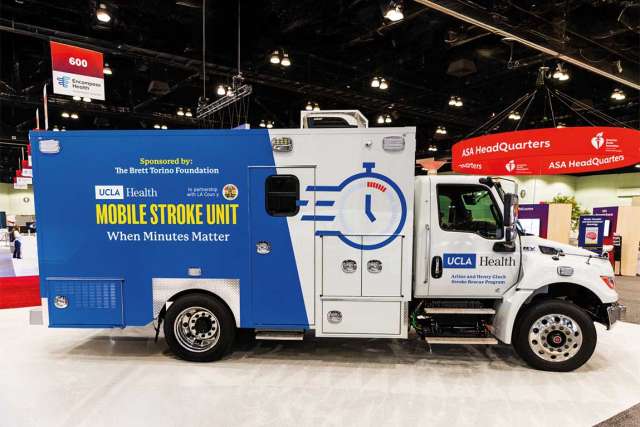
The UCLA Health Mobile Stroke program has achieved a world first: performing in an ambulance a highly detailed brain scan that’s typically only available in hospitals.
UCLA Health was the first health system in the Western United States to offer a mobile stroke unit – a fleet of specialized ambulances staffed by stroke experts and equipped with computed tomography scanners and telemedicine monitors. These units – like primary stroke hospitals on wheels – save precious time treating this acute brain injury that kills 2 million brain cells a minute.
Now, the two newest rigs in the three-vehicle UCLA Health Mobile Stroke fleet are outfitted with more advanced scanners with higher image resolution that can replicate a perfusion scan, which shows how the brain is utilizing blood flow, says neurointerventionalist May Nour, MD, PhD, director of the Arline & Henry Gluck Mobile Stroke Rescue Program.
“This matters because the imaging tells us, based on where the vessel is occluded, how much brain tissue is at risk and how much remains salvageable,” Dr. Nour says. “We perform this routinely in the hospital for our patients, but until now it has not been possible on a mobile stroke unit because of the limitations of prehospital imaging technology.”
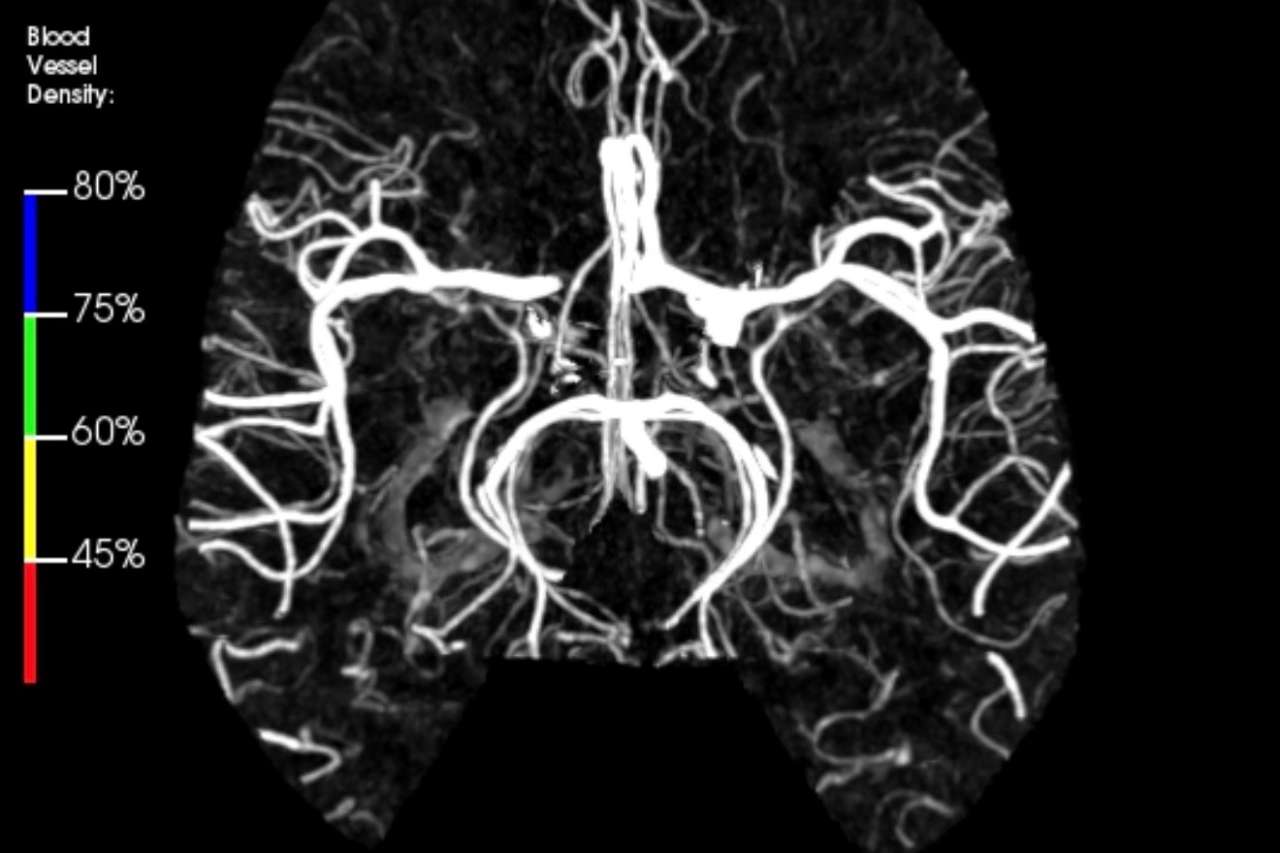
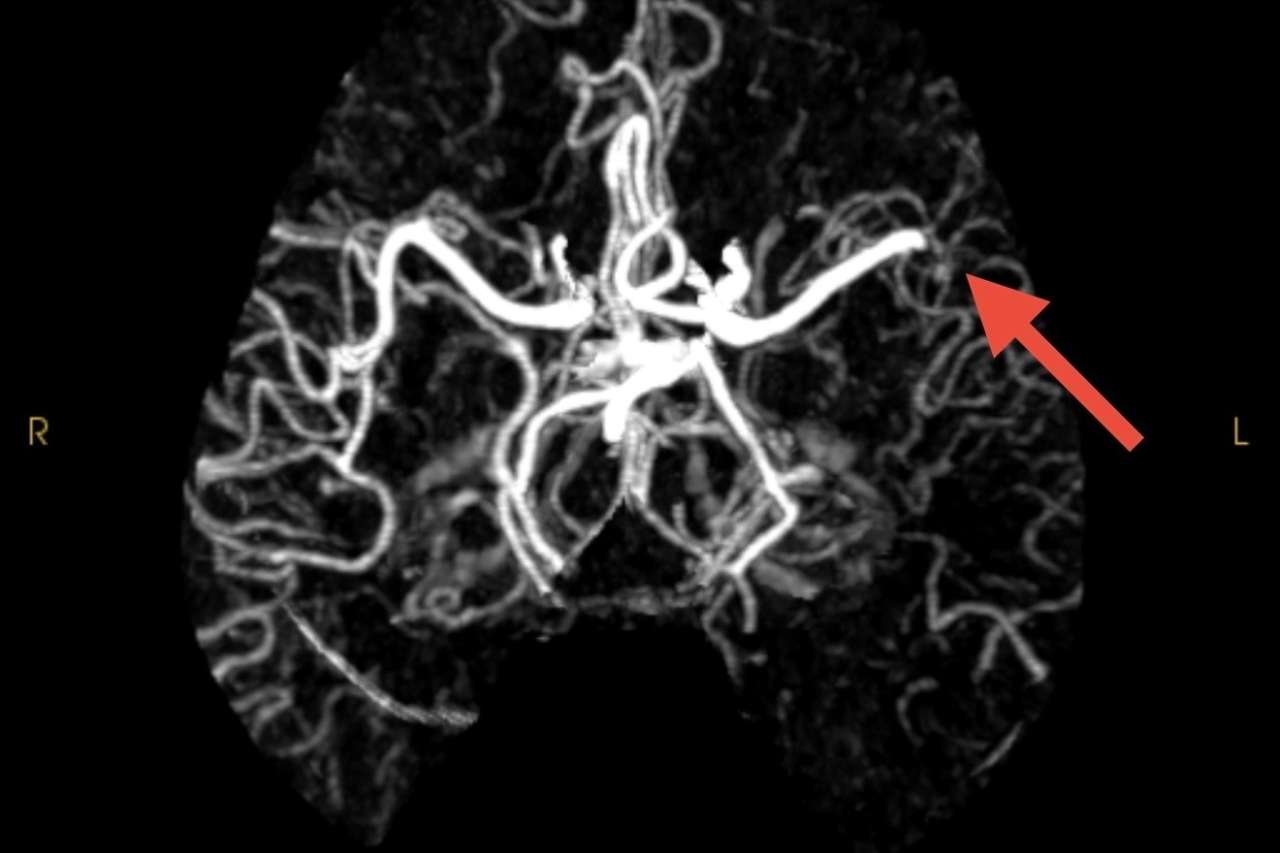
By performing advanced multiphase computed tomography angiography (CTA), technicians can achieve more detailed imaging on mobile stroke ambulances than ever before in the prehospital setting, Dr. Nour says, adding that the new scanner has far superior resolution than the older machines.
That higher-resolution image allows for a surrogate perfusion scan – essentially a similar look into blood activity in the brain using a scanner that’s quite a bit smaller than those in hospitals.
“We developed a new scientific method to generate CT perfusion in this setting,” Dr. Nour says, “and we performed it for the first time in any ambulance in the world.”
Collaborative effort
Dr. Nour’s team, in collaboration with diagnostic neuroradiologist Ameera Ismail, MD, began working with scientists at Siemens Healthineers in September of 2025 to develop the new scanning capability. They performed their first CT perfusion scan in the field In January 2026, Dr. Nour says.
"The integration of multiphase CT angiography-derived perfusion imaging into the mobile stroke unit marks a world first in prehospital stroke care, bringing the diagnostic power of advanced perfusion imaging directly to the patient," says Dr. Ismail.
Multiphase CTA shows the pattern of blood flow in the brain (qualitative), while CT perfusion measures it in numerical terms (quantitative), Dr. Nour explains. Together, these scans provide a more comprehensive picture of what’s happening in the brain of a person having a stroke before they arrive at the hospital, she says, which saves precious time and brain cells. Interventional treatment can begin sooner, since the imaging is already complete.
Continuing innovation
Every patient treated in the newest UCLA Health Mobile Stroke ambulances is receiving this new scan as part of a research trial to see how well it correlates with perfusion scans performed in hospitals, Dr. Nour says.
“We are the only group performing this in the field at present,” she says, adding that it’s part of an ongoing push toward innovation for the mobile stroke program.
“This is part of our practice,” she says. “As new technologies and new devices emerge, we evaluate them against the clinical needs of our patients. That is what drives us forward.”
Related article
UCLA Health Mobile Stroke Unit: For when every minute counts | UCLA Health