More than 8 million people in the United States have psoriasis — a chronic skin condition marked by areas of scaly, thick, red skin called plaques. Psoriasis occurs because of a malfunction in the immune system — it attacks healthy skin, causing the body to produce skin cells too quickly. As skin cells stack up, they form scaly plaques that look silver on light-skinned people and brown, gray or purplish on darker skin.
There’s no cure for psoriasis, but there are ways to manage the disease. In addition to making you uncomfortable, psoriasis can affect your self-image and put you at higher risk for depression and anxiety — so it’s critical to find a treatment that helps you manage it and improve your quality of life.
Here’s what you need to know about treatment approaches for managing psoriasis:
Clinical treatment for psoriasis
No psoriasis treatment offers a one-size-fits-all solution, and many people use a combination of therapies to find relief. There are a variety of clinical treatment options available, according to disease severity and your lifestyle.
Clinical treatment options for psoriasis include:
Topical treatments
Applying medication directly to the affected skin is often the first step in treating psoriasis. Topical treatments can help reduce inflammation and slow down the excessive cell reproduction to eliminate or shrink plaques.
Topical medications for psoriasis can be broken into three categories:
- Over-the-counter (OTC) medications can take many forms, including lotions, bath solutions and shampoo — which is especially useful for scalp psoriasis. Look for Food and Drug Administration (FDA)-approved active ingredients — salicylic acid and coal tar — which can be found in many treatments.
- Prescription steroids (corticosteroids) reduce the swelling and redness caused by inflammation. The most effective topical steroids are available by prescription, but OTC steroid creams may help with mild cases of psoriasis.
- Prescription non-steroids contain ingredients such as vitamin D3, vitamin A or anthralin — an anti-inflammatory agent that slows the growth of skin cells.
Phototherapy
Phototherapy, or light therapy, exposes your affected skin to ultraviolet (UV) light to slow the growth of affected cells. It is typically prescribed and administered under medical supervision in the form of localized units, full-body units, lasers and home phototherapy units. It’s not a one-and-done treatment, though — it’s most effective when administered consistently.
Phototherapy doesn’t come without a risk of side effects. Potential side effects include:
- Redness
- Stinging
- Burns
- Increased risk of skin cancer
Oral medication
Oral medications for psoriasis are systemic — they travel throughout the body. Some work to slow the growth of new skin cells. Others target molecules in immune cells to reduce your body’s hyperactive immune response.
These drugs are typically prescribed for moderate to severe cases of psoriasis that haven’t responded well to topical medications or phototherapy. While most of the systemic drugs used to treat psoriasis are taken orally, some systemic medications can be injected.
Biologic agents
Biologics are also systemic drugs. But instead of impacting the entire immune system like oral medication, they focus on very specific parts of the immune system — mainly cells and proteins that contribute to the development of psoriasis.
Biologics are administered as injections or by intravenous (IV) infusion. They are often used along with phototherapy or topical medications. Since biologics are targeted, there’s less risk that they’ll cause problems in other organs, such as the kidneys or liver. But they can increase your risk of infection.
Psoriasis clinical trials
Clinical trials help advance psoriasis treatments because they allow researchers to study the safety and effectiveness of new therapies. Patients who participate in clinical trials often have access to new and innovative treatments.
UCLA Health clinical trials actively recruiting participants with psoriasis include:
- A study about how well TAK-279 works and its safety in participants with moderate-to-severe plaque psoriasis during 52 weeks of treatment is comparing a new oral medication to an approved medication and a placebo.
- A study of TAK-279 in participants with moderate-to-severe plaque psoriasis is focusing on the side effects and tolerability of this oral systemic medication.
- CorEvitas Psoriasis (PSO) Registry is studying the safety of approved psoriasis therapies in psoriasis patients throughout North America.
Supplementary treatments for psoriasis
Natural and supplemental approaches can be helpful for some people with psoriasis — especially when used alongside more traditional treatments. If you have psoriasis and psoriatic arthritis — a related condition that affects joints — your physician may recommend integrative therapies such as physical therapy, acupuncture or massage to help with joint movement and pain.
There’s no conclusive evidence that natural supplements and substances effectively relieve psoriasis discomfort. However, the National Psoriasis Foundation reports that some people find symptom relief using natural topical treatments, such as:
- Aloe vera may help reduce redness and thickened skin associated with psoriasis.
- Apple cider vinegar diluted with water and applied to the scalp may help with scalp psoriasis.
- Capsaicin ointment, which can cause a burning sensation, may block pain and help reduce inflammation.
- Epsom salts added to a warm bath may help remove scales and reduce itchiness.
- Tea tree oil used directly on affected skin or within a shampoo may have antiseptic qualities that relieve psoriasis.
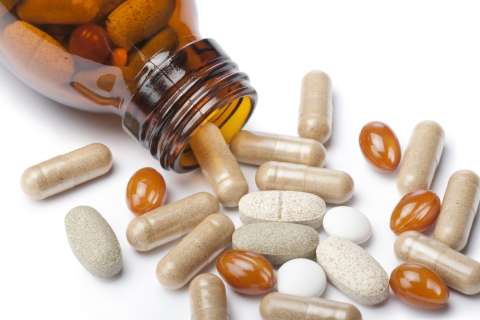
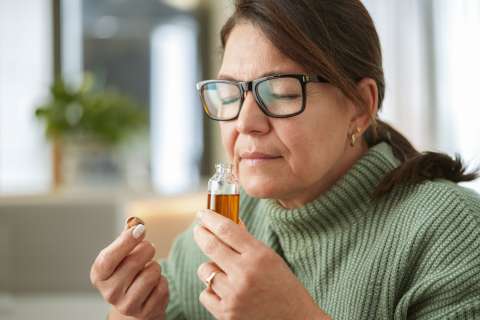
Some research does show that anti-inflammatory supplements may help with psoriasis. Supplements with the most convincing data include turmeric, ginger and omega-3 fatty acids. Consult your physician before using supplements or herbal remedies to treat psoriasis. They can interact with your current medications or worsen pre-existing conditions.
Lifestyle modifications that can help with psoriasis
Psoriasis flare-ups can be triggered or worsened by certain lifestyle choices, including:
- Alcohol consumption
- Smoking
- Cold weather and dry indoor air
- Medication use
- Stress
Experts believe that diet may play a role in managing psoriasis. Because psoriasis stems from inflammation, avoid eating inflammatory foods such as sugar, red meat, saturated fats and ultra-processed foods. Instead, opt for a diet full of seafood, olive oil, fruits and vegetables, such as the Mediterranean diet.